EN
EN


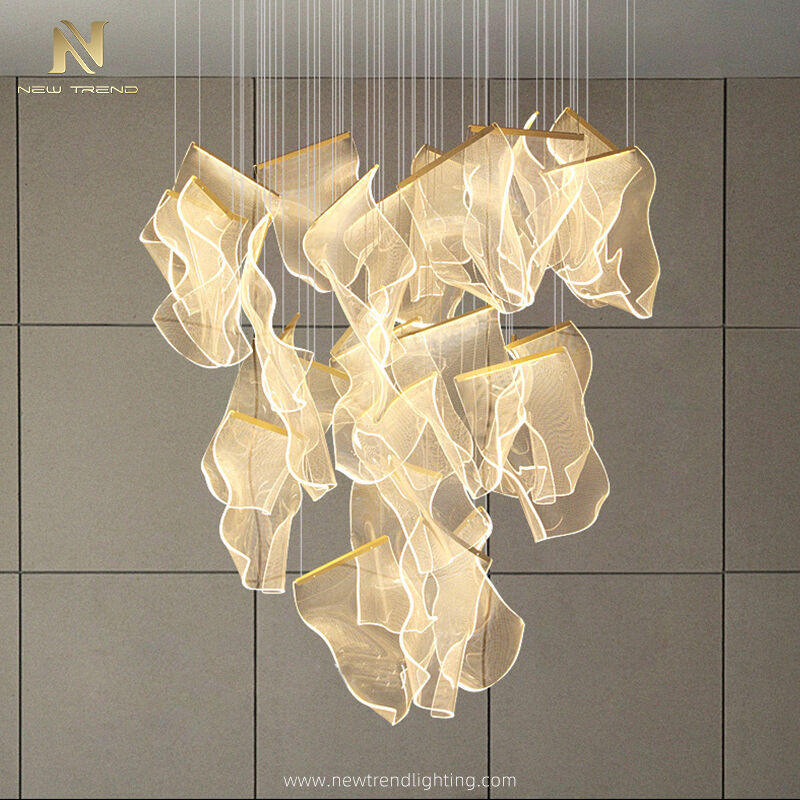
In the world of luxury hospitality and commercial design, lighting serves as more than mere illumination—it defines ambiance, establishes brand identity, and creates memorable experiences for guests. Custom chandeliers have emerged as the ultimate statement pieces, transforming ordinary spaces into extraordinary environments that captivate and inspire. When it comes to delivering world-class lighting solutions for prestigious global projects, discerning architects, designers, and property developers consistently turn to specialized manufacturers who understand the intricate balance between artistic vision and technical precision.
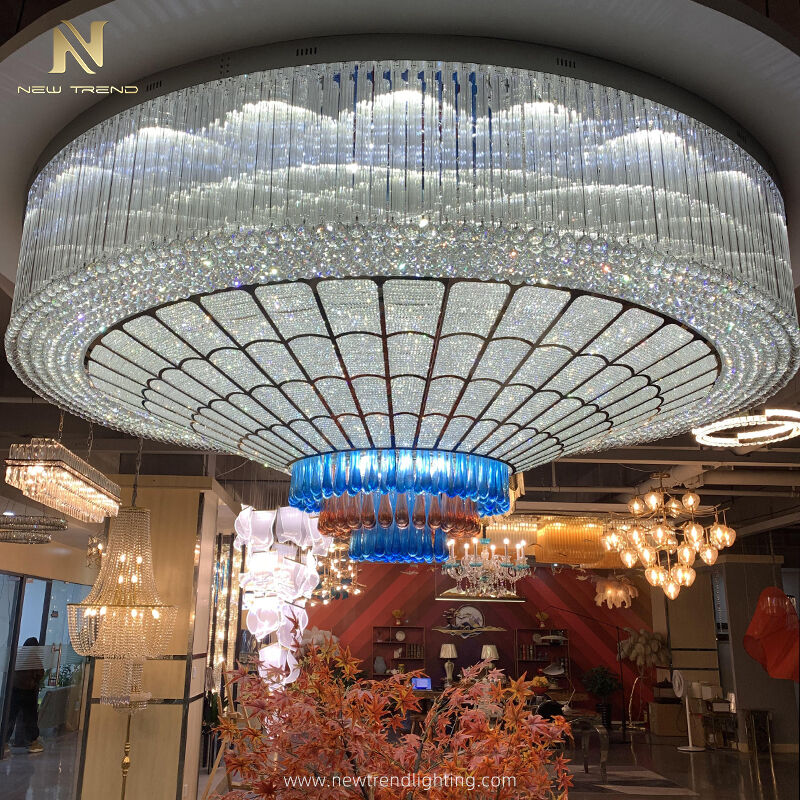
The demand for bespoke lighting installations has intensified as luxury hotels, high-end restaurants, exclusive resorts, and premium commercial spaces seek to differentiate themselves in an increasingly competitive marketplace. Custom chandeliers represent the pinnacle of this movement, offering unlimited design possibilities that align perfectly with specific architectural themes, brand aesthetics, and functional requirements. These magnificent fixtures not only provide essential lighting but also serve as sculptural masterpieces that become focal points of conversation and admiration.
Understanding the complexities involved in creating exceptional custom lighting requires deep expertise in multiple disciplines including electrical engineering, materials science, artistic design, and project management. The most successful manufacturers combine traditional craftsmanship with cutting-edge technology to deliver solutions that exceed expectations while meeting stringent safety standards and installation requirements. This comprehensive approach ensures that every custom chandelier project achieves both aesthetic excellence and operational reliability.
The Art and Science of Custom Chandelier Design
Design Philosophy and Creative Process
Creating exceptional custom chandeliers begins with understanding the unique vision and requirements of each project. The design process involves extensive collaboration between clients, architects, interior designers, and lighting specialists to develop concepts that perfectly complement the intended space. This collaborative approach ensures that every element, from overall proportions to minute decorative details, contributes to the desired atmospheric effect.
The creative journey typically starts with detailed site analysis, considering factors such as ceiling height, room dimensions, architectural style, and intended usage patterns. Professional designers then develop multiple concept sketches and digital renderings that explore various artistic directions while maintaining technical feasibility. This iterative process allows clients to visualize different possibilities before committing to final specifications.
Advanced 3D modeling software enables designers to create photorealistic representations of proposed custom chandeliers within actual project environments. These sophisticated visualization tools help stakeholders make informed decisions about size, positioning, and lighting effects before manufacturing begins. The ability to virtually test different configurations saves time, reduces costs, and ensures optimal results.
Materials Selection and Quality Standards
The selection of premium materials plays a crucial role in determining both the aesthetic appeal and long-term performance of custom chandeliers. High-quality manufacturers source materials from trusted suppliers worldwide, ensuring access to the finest crystals, metals, glass components, and specialized finishes. Each material must meet strict quality criteria for clarity, durability, and color consistency.
Crystal elements require particular attention to optical properties, as their ability to refract and reflect light directly impacts the overall lighting performance. Premium lead crystal offers superior brilliance and fire compared to standard glass alternatives, creating stunning light patterns that enhance the ambiance of any space. The cutting and polishing techniques used on these crystal components can significantly influence the final visual effect.
Metal frameworks and decorative elements must combine structural strength with aesthetic appeal. Popular options include brass, bronze, stainless steel, and various precious metal finishes that resist corrosion and maintain their appearance over time. The manufacturing processes used to shape and finish these components require skilled craftspeople who understand both traditional techniques and modern fabrication methods.
Technical Excellence in Manufacturing
Precision Engineering and Assembly
The manufacturing of custom chandeliers demands exceptional precision at every stage of production. Computer-controlled machinery ensures accurate cutting, drilling, and shaping of components while skilled artisans handle delicate assembly processes that require human expertise. This combination of technological capability and traditional craftsmanship results in fixtures that meet the highest standards of quality and reliability.
Electrical systems within custom chandeliers must comply with international safety standards and local building codes. Professional electrical engineers design wiring layouts that accommodate complex lighting arrangements while maintaining safety margins and ease of maintenance. Advanced LED technology has revolutionized the possibilities for custom lighting, offering energy efficiency, color control, and extended lifespan compared to traditional incandescent options.
Quality control procedures throughout the manufacturing process ensure that every component meets specified tolerances and performance criteria. Regular inspections at critical production milestones help identify and correct any issues before they can impact the final product. This systematic approach to quality management minimizes the risk of defects and ensures consistent excellence across all projects.
Installation and Project Management
Successful installation of large-scale custom chandeliers requires careful planning and coordination with other construction activities. Professional project managers work closely with general contractors, electrical contractors, and facility managers to develop installation schedules that minimize disruption while ensuring proper integration with building systems.
Specialized rigging equipment and certified installation technicians are essential for safely positioning large chandelier assemblies. The structural analysis of mounting points must account for both the static weight of the fixture and any dynamic loads that may occur during operation or maintenance activities. Proper documentation of installation procedures ensures compliance with warranty requirements and facilitates future service needs.
Post-installation testing and commissioning procedures verify that all electrical systems function correctly and that lighting performance meets design specifications. This comprehensive approach includes photometric measurements, control system programming, and staff training to ensure optimal operation throughout the fixture's service life.
Global Project Capabilities and Market Expertise
International Standards and Compliance
Leading manufacturers of custom chandeliers maintain expertise in international electrical standards, safety regulations, and environmental requirements that vary across different markets. This comprehensive knowledge enables them to design and manufacture fixtures that meet or exceed local requirements regardless of project location. Compliance with standards such as UL, CE, and other regional certifications ensures broad market acceptance and regulatory approval.
Environmental considerations have become increasingly important in the specification of commercial lighting systems. Energy efficiency requirements, sustainable material sourcing, and end-of-life recycling capabilities are now standard considerations in the design process. Advanced LED technology and smart control systems help projects achieve green building certifications while reducing operating costs.
Documentation and certification requirements for international projects can be complex and time-consuming. Experienced manufacturers maintain relationships with testing laboratories and certification bodies worldwide, streamlining the approval process and reducing project delays. This global network of technical resources ensures that custom chandeliers can be deployed successfully in any international market.
Logistics and Supply Chain Management
The successful delivery of custom chandeliers for global projects requires sophisticated logistics capabilities and supply chain management. Large fixtures often require special packaging, shipping containers, and handling equipment to ensure safe transport across international borders. Professional logistics teams coordinate with freight forwarders, customs brokers, and local delivery services to minimize transit times and avoid damage.
Supply chain resilience has become increasingly important in the post-pandemic business environment. Leading manufacturers maintain diverse supplier networks and strategic inventory reserves to minimize the impact of disruptions on project schedules. This proactive approach helps ensure that custom chandeliers can be delivered on time regardless of external challenges.
Project scheduling and milestone management become more complex when dealing with international deliveries and multiple stakeholders. Advanced project management software helps coordinate activities across different time zones while maintaining clear communication with all parties involved. Regular status updates and progress reports keep projects on track and help identify potential issues before they become critical problems.
Industry Applications and Market Trends
Hospitality and Commercial Spaces
The hospitality industry represents one of the largest markets for custom chandeliers, as luxury hotels and resorts seek to create distinctive environments that enhance guest experiences. Grand lobbies, ballrooms, restaurants, and other public spaces benefit from the dramatic visual impact that only custom lighting can provide. These installations often become signature elements that contribute to brand recognition and marketing appeal.
Restaurant and bar environments present unique opportunities for creative lighting design, as custom chandeliers can support specific dining concepts and atmospheric requirements. The ability to control light levels, color temperature, and distribution patterns helps create intimate dining experiences while maintaining operational flexibility. Custom designs can incorporate brand elements, cultural themes, or artistic concepts that reinforce the establishment's identity.
Corporate offices and commercial buildings increasingly recognize the value of distinctive lighting in creating productive work environments and impressive client presentation spaces. Custom chandeliers in reception areas, conference rooms, and executive offices convey professionalism and attention to detail while supporting functional lighting requirements. The investment in quality lighting often pays dividends through improved employee satisfaction and enhanced business relationships.
Emerging Technologies and Design Trends
Smart lighting technology has revolutionized the capabilities of custom chandeliers, enabling dynamic color changes, programmable lighting scenes, and integration with building automation systems. These advanced features allow property managers to adapt lighting conditions for different events, times of day, or seasonal requirements. Remote monitoring capabilities can detect maintenance needs and optimize energy consumption automatically.
Sustainable design principles are increasingly influencing the specification of custom chandeliers, with emphasis on energy efficiency, recyclable materials, and reduced environmental impact. LED technology continues to advance, offering improved color rendering, dimming capabilities, and longer service life compared to traditional light sources. These improvements support both environmental goals and lifecycle cost objectives.
Biophilic design trends are inspiring new approaches to custom chandelier concepts, incorporating natural forms, organic materials, and connection to outdoor environments. These designs respond to growing awareness of the psychological benefits of nature-inspired spaces while maintaining the sophistication expected in commercial environments. The integration of living elements or natural materials creates unique focal points that evolve over time.
Quality Assurance and Long-term Performance
Testing and Validation Procedures
Comprehensive testing protocols ensure that custom chandeliers meet all performance requirements before shipment to project sites. Photometric testing validates lighting distribution patterns, color temperature, and light output levels against design specifications. Structural testing confirms that mounting systems and support frameworks can safely handle specified loads with appropriate safety margins.
Environmental testing exposes fixtures to temperature extremes, humidity variations, and vibration conditions that may be encountered in actual installations. These accelerated aging tests help predict long-term performance and identify potential failure modes before they can impact project success. Quality assurance procedures document all test results and maintain traceability throughout the manufacturing process.
Electrical safety testing verifies compliance with applicable standards and confirms proper grounding, insulation, and protection systems. Independent testing laboratories provide third-party validation that supports regulatory approvals and insurance requirements. This thorough approach to quality assurance minimizes liability risks while ensuring reliable operation.
Maintenance and Service Support
Long-term performance of custom chandeliers depends on proper maintenance procedures and access to qualified service technicians. Leading manufacturers provide detailed maintenance manuals, training programs, and technical support services that help facility managers optimize fixture performance throughout their service life. Preventive maintenance programs can significantly extend equipment life while minimizing unexpected failures.
Spare parts availability becomes critical for unique custom designs that may not share components with standard product lines. Responsible manufacturers maintain inventory reserves of critical components and provide long-term parts availability guarantees that protect client investments. Digital documentation of component specifications enables accurate replacement part identification and ordering.
Service technician training ensures that maintenance personnel understand the specific requirements of custom chandelier installations. Comprehensive documentation, including wiring diagrams, assembly drawings, and maintenance schedules, supports effective service delivery regardless of the original installation team's availability. This systematic approach to service support protects the long-term value of custom lighting investments.
FAQ
What factors determine the cost of custom chandeliers for commercial projects
The cost of custom chandeliers varies significantly based on size, complexity, materials selection, and quantity requirements. Factors include the type and quality of crystals or glass elements, metal finishes, electrical components, and manufacturing complexity. Design complexity, installation requirements, and project timeline also influence pricing. Most reputable manufacturers provide detailed quotations that break down costs by component category, helping clients understand value propositions and make informed decisions about specification changes.
How long does it typically take to design and manufacture custom chandeliers
Project timelines for custom chandeliers typically range from 12 to 20 weeks, depending on design complexity and manufacturing requirements. The design development phase usually takes 3-4 weeks, followed by client approval and final specification confirmation. Manufacturing lead times vary based on materials availability, production complexity, and current factory capacity. Rush orders may be accommodated for additional fees, but adequate planning time ensures optimal quality and cost control.
What maintenance requirements should be expected for large custom chandelier installations
Custom chandeliers require regular cleaning, lamp replacement, and periodic inspection of electrical connections and mechanical components. Cleaning frequency depends on environmental conditions but typically ranges from quarterly to annually for commercial installations. LED lamp replacement intervals are significantly longer than traditional incandescent bulbs, often 5-10 years depending on operating hours. Professional maintenance services can provide specialized equipment and expertise for safe servicing of large installations at height.
Can existing custom chandeliers be modified or upgraded with new technology
Many existing custom chandeliers can be retrofitted with LED technology, smart controls, or updated components to improve performance and reduce operating costs. The feasibility of modifications depends on the original design, structural capacity, and electrical infrastructure. Professional evaluation is recommended to assess retrofit options and ensure compliance with current safety standards. Upgrades often provide significant energy savings and enhanced functionality while preserving the original aesthetic appeal of custom designs.
Table of Contents
- The Art and Science of Custom Chandelier Design
- Technical Excellence in Manufacturing
- Global Project Capabilities and Market Expertise
- Industry Applications and Market Trends
- Quality Assurance and Long-term Performance
-
FAQ
- What factors determine the cost of custom chandeliers for commercial projects
- How long does it typically take to design and manufacture custom chandeliers
- What maintenance requirements should be expected for large custom chandelier installations
- Can existing custom chandeliers be modified or upgraded with new technology