EN
EN


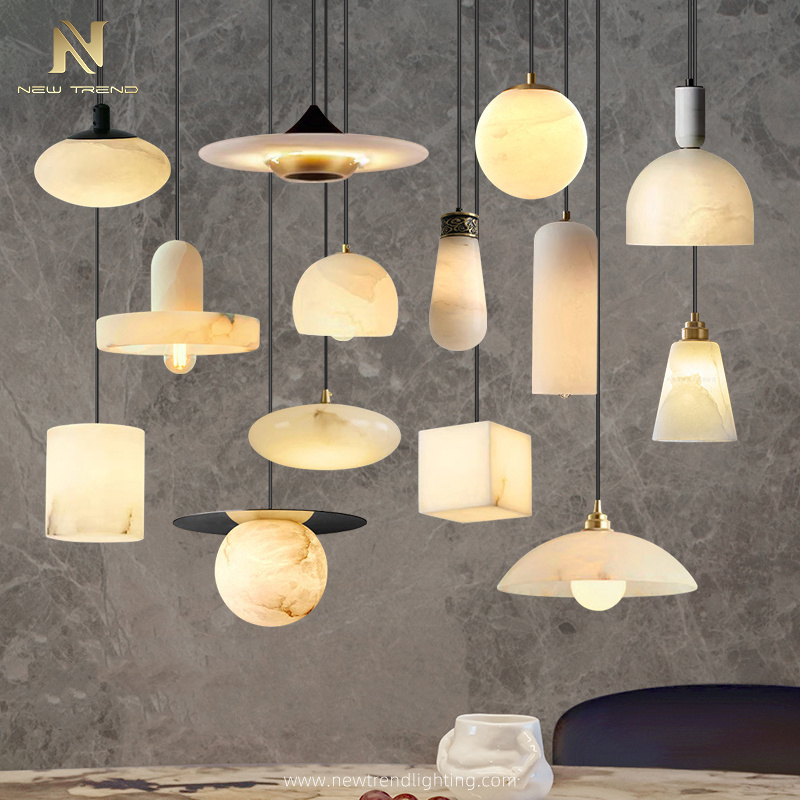
The lighting industry is experiencing a remarkable shift toward natural materials and sophisticated design elements that enhance both aesthetics and functionality. Among the most captivating trends emerging in 2026, alabaster chandeliers have captured the attention of interior designers, homeowners, and lighting enthusiasts alike. This ancient material, prized for its translucent qualities and elegant appearance, offers a perfect balance between modern sophistication and timeless beauty. The unique properties of alabaster create an unparalleled lighting experience that transforms any space into a sanctuary of warm, diffused illumination.
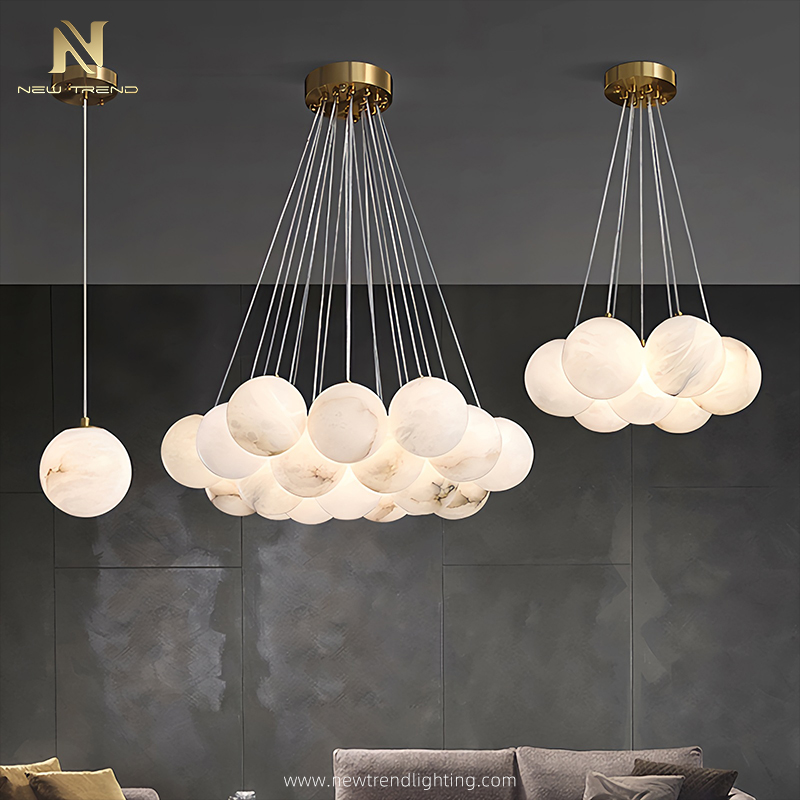
Understanding the Appeal of Natural Stone Lighting
The Inherent Beauty of Alabaster Material
Alabaster represents one of nature's most elegant materials, formed through centuries of geological processes that create its distinctive translucent characteristics. This metamorphic rock possesses a unique ability to transmit light while maintaining structural integrity, making it an ideal choice for luxury lighting fixtures. The natural veining and subtle color variations found in each piece ensure that no two alabaster chandeliers are exactly alike, providing homeowners with truly one-of-a-kind lighting solutions.
The material's inherent properties extend beyond mere aesthetics, offering practical benefits that synthetic alternatives cannot match. Alabaster naturally filters harsh light, creating a soft, warm glow that enhances the ambiance of any room. This quality makes alabaster chandeliers particularly suitable for dining rooms, bedrooms, and living spaces where gentle illumination is desired. The stone's density also provides excellent durability when properly maintained, ensuring these fixtures remain beautiful focal points for decades.
Historical Significance in Modern Design
The use of alabaster in lighting dates back to ancient civilizations, where it adorned palaces and temples as symbols of luxury and refinement. Today's designers draw inspiration from this rich heritage while incorporating contemporary elements that appeal to modern sensibilities. This fusion of historical craftsmanship with current design trends has elevated alabaster chandeliers to coveted status among discerning homeowners seeking authentic luxury in their interior spaces.
Modern manufacturing techniques have expanded the possibilities for alabaster chandelier designs, allowing artisans to create intricate patterns and shapes that were previously impossible. These advancements have made alabaster lighting more accessible while maintaining the exclusivity and craftsmanship that define premium fixtures. The combination of traditional material with innovative design approaches has positioned alabaster chandeliers as essential elements in contemporary luxury interiors.
Design Versatility and Aesthetic Integration
Complementing Various Interior Styles
The versatility of alabaster chandeliers extends across multiple design philosophies, from minimalist modern to ornate traditional styles. Their neutral tones and organic patterns allow them to serve as either statement pieces or subtle accents, depending on the overall design scheme. In contemporary settings, alabaster chandeliers provide textural interest and natural warmth that soften the harsh lines often associated with modern architecture. The material's ability to complement both warm and cool color palettes makes it an ideal choice for designers working with diverse aesthetic preferences.
Traditional and transitional interiors benefit from the timeless elegance that alabaster brings to chandelier designs. The material's classical associations enhance formal dining rooms and grand entryways, while its organic nature prevents the space from feeling overly formal or intimidating. This balance between sophistication and approachability has made alabaster chandeliers increasingly popular in residential applications where homeowners seek to create welcoming yet impressive environments.
Size and Scale Considerations
Selecting the appropriate size for alabaster chandeliers requires careful consideration of room proportions and ceiling height. The material's visual weight can vary significantly depending on the thickness and transparency of the alabaster used, affecting how the fixture appears in different spaces. Larger chandeliers with multiple tiers create dramatic focal points in grand rooms, while smaller, single-tier designs provide elegant accent lighting in more intimate settings.
The relationship between chandelier size and room scale extends beyond mere measurements to include visual balance and proportion. Alabaster's natural variations in opacity can make fixtures appear lighter or more substantial, requiring designers to consider these characteristics when specifying installations. Professional lighting designers often recommend viewing samples under various lighting conditions to understand how different alabaster pieces will perform in specific environments.
Technical Advantages and Performance Benefits
Light Diffusion Properties
The exceptional light diffusion capabilities of alabaster chandeliers set them apart from fixtures made with glass or crystal components. The material's natural translucency creates a soft, even distribution of light that eliminates harsh shadows and glare. This characteristic makes alabaster particularly valuable in residential settings where comfortable, ambient lighting is essential for daily activities and relaxation. The gentle illumination produced by these fixtures reduces eye strain and creates a more pleasant visual environment.
Scientific studies have shown that the mineral composition of alabaster affects its light transmission properties, with variations in calcium carbonate content creating different degrees of transparency. This natural variation allows manufacturers to select specific alabaster pieces for particular lighting applications, ensuring optimal performance for intended uses. The ability to predict and control light output through material selection has made alabaster chandeliers more reliable and consistent in their illumination characteristics.
Energy Efficiency and LED Integration
Modern alabaster chandeliers benefit significantly from LED technology integration, which maximizes the material's light-diffusing properties while minimizing heat generation. LEDs produce less heat than traditional incandescent bulbs, reducing the risk of thermal stress on alabaster components and extending fixture lifespan. The cool operation of LED sources also preserves the natural colors and patterns within the alabaster, preventing the yellowing or discoloration that can occur with high-heat lighting sources.
The energy efficiency of LED-equipped alabaster chandeliers makes them environmentally responsible choices that align with contemporary sustainability goals. The long lifespan of LED components reduces maintenance requirements and replacement costs, while the reduced energy consumption lowers operating expenses. These practical benefits, combined with the aesthetic advantages of alabaster, make these fixtures attractive investments for both residential and commercial applications.
Installation and Maintenance Considerations
Professional Installation Requirements
Installing alabaster chandeliers requires specialized knowledge and experience due to the material's unique properties and weight considerations. Professional electricians familiar with natural stone fixtures understand the importance of proper support systems and appropriate handling techniques. The weight of alabaster components can be substantial, necessitating reinforced mounting systems and careful attention to ceiling structural capacity. Proper installation ensures both safety and optimal performance throughout the fixture's lifespan.
The delicate nature of alabaster requires specific tools and techniques during installation to prevent damage to carved details or thin sections. Professional installers use protective materials and careful handling procedures to maintain the integrity of decorative elements. Additionally, the electrical components must be properly sized and configured to work effectively with the alabaster's light transmission characteristics, ensuring even illumination and preventing hot spots that could damage the material.
Long-term Care and Preservation
Maintaining alabaster chandeliers involves understanding the material's susceptibility to certain cleaning agents and environmental conditions. Regular dusting with soft, dry cloths helps preserve the surface finish and prevents accumulation of particles that can affect light transmission. Harsh chemical cleaners should be avoided, as they can damage the alabaster's surface or alter its natural coloration. Instead, gentle cleaning with slightly damp cloths and mild, pH-neutral cleaners maintains the material's beauty without causing harm.
Environmental factors such as humidity and temperature fluctuations can affect alabaster over time, making climate control important for preserving these fixtures. Extreme conditions may cause expansion and contraction that can lead to stress fractures or joint separation. Regular professional inspections help identify potential issues before they become serious problems, ensuring that alabaster chandeliers continue to provide beautiful, functional lighting for many years.
Market Trends and Future Outlook
Growing Demand in Luxury Markets
The luxury lighting market has shown increasing appreciation for alabaster chandeliers as consumers seek authentic, artisanal products that offer both beauty and functionality. High-end residential projects frequently specify these fixtures for their ability to create sophisticated ambiance while serving as conversation pieces. The trend toward natural materials in interior design has elevated alabaster from a specialty item to a mainstream luxury option, driving innovation in design and manufacturing processes.
Commercial applications have also embraced alabaster chandeliers, particularly in hospitality and retail environments where creating memorable experiences is essential. Hotels, restaurants, and boutique stores use these fixtures to establish distinctive atmospheres that differentiate their brands. The association of alabaster with luxury and refinement makes these installations valuable marketing tools that enhance customer perception and satisfaction.
Technological Innovations and Design Evolution
Advances in stone working technology have expanded the design possibilities for alabaster chandeliers, enabling more intricate patterns and thinner profiles than previously achievable. Computer-controlled cutting and shaping equipment allows artisans to create complex geometries while maintaining structural integrity. These technological improvements have made alabaster chandeliers more versatile and accessible, broadening their appeal across different market segments and price points.
Future developments in alabaster chandelier design are likely to incorporate smart lighting technologies and improved LED integration. Designers are exploring ways to combine traditional craftsmanship with modern control systems, creating fixtures that offer both timeless beauty and contemporary convenience. The growing emphasis on sustainable design practices is also driving innovation in alabaster sourcing and manufacturing processes, ensuring these beautiful fixtures align with environmental responsibility goals.
FAQ
How do alabaster chandeliers compare to crystal chandeliers in terms of light quality
Alabaster chandeliers produce softer, more diffused light compared to crystal chandeliers, which create more focused beams and prismatic effects. The natural translucency of alabaster filters harsh light and reduces glare, making it ideal for ambient lighting. Crystal chandeliers excel at creating dramatic sparkle and directing light, while alabaster chandeliers provide gentle, even illumination that enhances comfort and relaxation in living spaces.
What factors affect the price of alabaster chandeliers
Several factors influence alabaster chandelier pricing, including the quality and rarity of the alabaster stone, complexity of the design, size of the fixture, and level of craftsmanship required. Hand-carved details, custom designs, and premium-grade alabaster with exceptional translucency command higher prices. The manufacturing location, brand reputation, and included lighting technology also impact cost, with LED-integrated fixtures typically priced higher than traditional options.
Can alabaster chandeliers be used in humid environments like bathrooms
While alabaster is naturally porous and can be affected by high humidity, specially sealed alabaster chandeliers can be used in bathroom applications with proper ventilation. The fixtures must be treated with appropriate sealers and rated for bathroom use. However, most designers recommend avoiding direct exposure to steam and moisture, suggesting installation in powder rooms or well-ventilated bathroom areas rather than shower zones.
How long do alabaster chandeliers typically last with proper care
Well-maintained alabaster chandeliers can last for decades or even centuries, as evidenced by historical examples in museums and heritage buildings. The durability depends on the quality of the alabaster, installation conditions, and maintenance practices. Regular cleaning, protection from extreme temperature changes, and professional inspections help ensure longevity. The electrical components may require updating over time, but the alabaster elements themselves can remain beautiful and functional for generations.