EN
EN


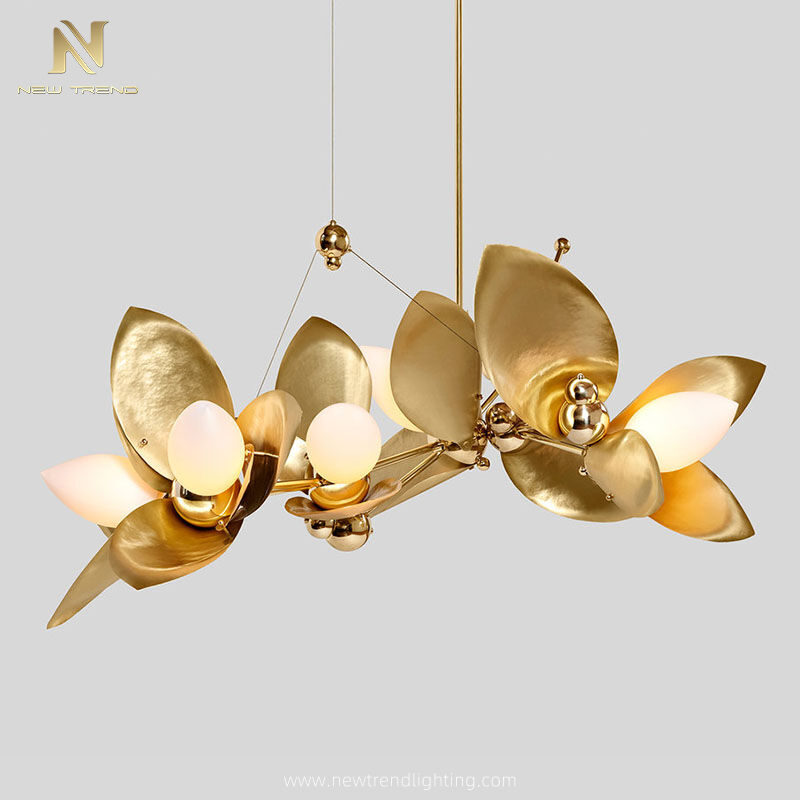
Luxury hospitality projects demand exceptional attention to design detail, and lighting serves as one of the most transformative elements in creating memorable guest experiences. Bespoke lighting solutions have emerged as essential components for hotels, resorts, restaurants, and high-end bars seeking to establish distinctive visual identities while meeting functional illumination requirements. Custom-designed fixtures allow architects and interior designers to translate conceptual visions into tangible installations that complement architectural features, enhance spatial dynamics, and reinforce brand positioning within competitive hospitality markets.
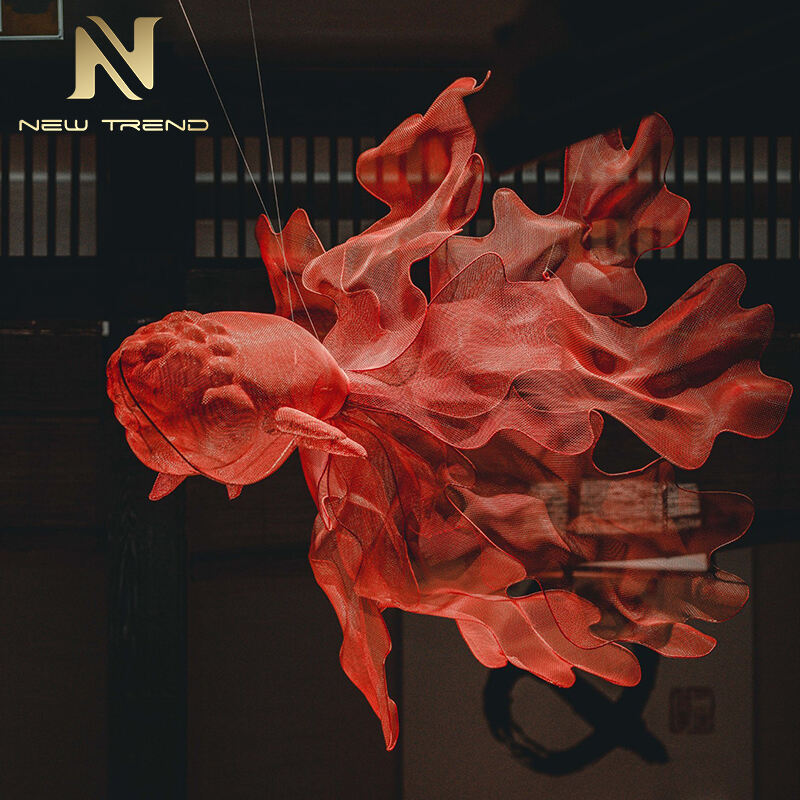
The wholesale procurement of bespoke lighting solutions represents a strategic approach for hospitality developers and design firms managing multiple projects or large-scale installations. This model combines the creative flexibility of custom fabrication with the economic advantages of volume ordering, enabling project stakeholders to achieve design excellence while maintaining budget discipline. Understanding the technical specifications, design processes, quality standards, and logistical considerations inherent in wholesale custom lighting procurement proves essential for professionals navigating the intersection of artistic vision and commercial viability in luxury hospitality environments.
Understanding the Strategic Value of Custom Lighting in Hospitality Design
Creating Distinctive Brand Experiences Through Illumination
Hospitality properties increasingly recognize that lighting extends far beyond functional illumination to become a primary tool for experiential differentiation. Bespoke lighting solutions enable establishments to craft unique atmospheric signatures that guests associate with specific brands and properties. A custom chandelier installation in a hotel lobby or artisanal pendant configurations in a signature restaurant communicates investment in quality and attention to detail, directly influencing guest perceptions and willingness to pay premium rates for accommodations and services.
The emotional impact of well-executed custom lighting manifests across multiple guest touchpoints throughout the hospitality journey. From dramatic entrance features that establish first impressions to intimate dining spaces where adjustable illumination levels create romantic or convivial moods, bespoke lighting solutions provide the flexibility to modulate environments according to time of day, event type, and desired guest response. This adaptability proves particularly valuable for multi-functional spaces within luxury properties where a single venue may transition from business conference setting to evening entertainment space.
Custom lighting installations also serve as architectural focal points that generate organic social media engagement, extending marketing reach beyond traditional advertising channels. Visually striking fixtures become photographable moments that guests share across digital platforms, effectively transforming lighting investments into sustained brand visibility. This phenomenon particularly benefits boutique hotels and destination restaurants where distinctive design elements contribute directly to market positioning and guest acquisition strategies.
Addressing Technical Requirements Unique to Hospitality Environments
Luxury hospitality spaces present distinct technical challenges that generic lighting products cannot adequately address. High ceilings in hotel lobbies, atriums, and grand ballrooms require bespoke lighting solutions engineered for substantial scale while maintaining visual proportionality and structural integrity. Custom fabrication allows designers to specify exact dimensions, suspension lengths, and weight distribution parameters that align with architectural constraints and safety regulations governing public spaces.
Maintenance accessibility represents another critical consideration in hospitality lighting design. Custom fixtures can incorporate modular components, accessible housing designs, and standardized lamp replacements that simplify ongoing maintenance without requiring specialized equipment or extended service disruptions. This practical design thinking reduces lifetime ownership costs and minimizes operational inconveniences that could negatively impact guest experiences during maintenance activities.
Energy efficiency and thermal management assume heightened importance in hospitality applications where lighting operates for extended daily periods. Bespoke lighting solutions allow integration of advanced LED technologies, intelligent control systems, and thermal dissipation engineering tailored to specific installation contexts. Custom designs can optimize light distribution patterns to minimize fixture quantities while achieving required illumination levels, directly reducing energy consumption and contributing to sustainability objectives increasingly important to both operators and environmentally conscious guests.
Navigating the Wholesale Procurement Process for Custom Fixtures
Establishing Design Parameters and Performance Specifications
Successful wholesale procurement of bespoke lighting solutions begins with comprehensive specification development that translates design intent into manufacturable parameters. This phase requires collaboration between interior designers, lighting consultants, and fabrication specialists to define dimensional requirements, material selections, finish treatments, light source characteristics, and control integration capabilities. Clear documentation of these specifications ensures consistency across multiple fixture units and establishes quality benchmarks against which delivered products can be evaluated.
Performance criteria extend beyond aesthetic considerations to encompass photometric requirements, color rendering indices, beam angle distributions, and dimming capabilities essential for hospitality applications. Bespoke lighting solutions for luxury projects must achieve specified lux levels at defined distances while maintaining color consistency across fixture groupings. Technical specifications should address voltage compatibility, power consumption limits, heat generation thresholds, and compatibility with building management systems that centralize environmental controls throughout hospitality properties.
Material authenticity and finish durability constitute critical specification elements for custom hospitality lighting. Wholesale orders provide opportunities to specify premium materials such as hand-blown glass, forged metals, natural stone, or exotic wood elements that elevate perceived fixture value. Finish specifications must account for environmental factors including humidity exposure in spa areas, temperature variations near kitchens, and cleaning chemical resistance in high-traffic public zones where fixtures require regular maintenance to preserve appearance standards.
Evaluating Fabrication Capabilities and Quality Assurance Processes
Selecting appropriate manufacturing partners for wholesale bespoke lighting solutions requires thorough assessment of technical capabilities, production capacity, and quality control methodologies. Fabricators with experience in hospitality projects understand the elevated quality expectations and accelerated timelines characteristic of commercial construction schedules. Site visits to manufacturing facilities provide valuable insights into production workflows, material handling practices, and the skill levels of craftspeople who will execute custom designs.
Quality assurance protocols should include multiple inspection stages from initial material verification through final assembly testing and pre-shipment validation. Comprehensive quality programs for bespoke lighting solutions incorporate photometric testing to verify light output and distribution patterns, electrical safety certification to confirm compliance with relevant standards, and finish quality evaluation against approved samples. Documentation of these quality checkpoints provides procurement teams with confidence that delivered fixtures will meet project specifications and perform reliably throughout their service lives.
Production timelines for custom lighting fabrication typically extend significantly beyond standard product lead times, requiring early engagement in project planning processes. Wholesale orders often benefit from staggered production scheduling that aligns fixture delivery with construction milestones, preventing on-site storage challenges while ensuring availability when installation teams are ready to proceed. Establishing clear communication protocols with fabrication partners enables proactive management of timeline adjustments and facilitates resolution of technical questions that emerge during production phases.
Design Considerations Specific to Hospitality Lighting Applications
Balancing Artistic Expression with Operational Practicality
The most successful bespoke lighting solutions for luxury hospitality projects achieve harmony between visual impact and operational functionality. While artistic innovation drives initial design concepts, practical considerations including maintenance requirements, replacement part availability, and cleaning accessibility must inform final specifications. Custom fixtures should incorporate design features that facilitate routine maintenance without requiring specialized tools or extensive training for property maintenance staff, ensuring that lighting installations maintain their intended appearance throughout their operational lifespan.
Durability engineering assumes particular importance in hospitality environments where fixtures may experience continuous operation, frequent adjustments, and exposure to various environmental conditions. Bespoke lighting solutions should specify corrosion-resistant materials for coastal resort installations, reinforced suspension systems for seismically active regions, and impact-resistant components for fixtures installed in areas with potential physical contact. These practical enhancements protect the substantial investment represented by custom lighting installations while minimizing unplanned maintenance disruptions.
Lighting control integration capabilities enable operational flexibility essential for hospitality venues hosting diverse event types and accommodating varying occupancy patterns. Custom fixtures can incorporate addressable control protocols that allow individual fixture adjustment, preset scene programming, and integration with occupancy sensors or daylight harvesting systems. These capabilities support energy management objectives while providing event coordinators and restaurant managers with tools to optimize lighting for specific functions and guest preferences.
Incorporating Cultural and Regional Design Elements
Luxury hospitality properties frequently seek to reflect local cultural heritage or regional design traditions through architectural and decorative elements. Bespoke lighting solutions provide opportunities to incorporate traditional craftsmanship techniques, indigenous materials, or symbolic motifs that connect guests with destination character and authenticity. Custom fabrication allows designers to reinterpret historical lighting forms using contemporary technologies, creating fixtures that honor cultural legacies while meeting modern performance standards and safety requirements.
Regional material sourcing can enhance the authenticity and sustainability credentials of custom lighting installations. Specifying locally harvested woods, regionally quarried stone, or traditional metalworking techniques supports local artisan communities while reducing transportation-related environmental impacts. These material choices also generate compelling narratives that hospitality operators can incorporate into property marketing and guest engagement storytelling, adding layers of meaning to decorative installations beyond their purely functional or aesthetic contributions.
Color temperature and lighting intensity preferences vary significantly across cultural contexts, influencing guest comfort and spatial perception. Bespoke lighting solutions for international hospitality brands operating across diverse markets should accommodate regional preferences through adjustable color temperature capabilities or market-specific specifications. Understanding these cultural nuances ensures that custom lighting installations enhance rather than detract from guest comfort and satisfaction regardless of property location or primary market demographics.
Economic Advantages of Wholesale Custom Lighting Procurement
Achieving Cost Efficiency Through Volume Ordering
Wholesale procurement of bespoke lighting solutions delivers significant economic advantages compared to individual fixture commissioning, particularly for hospitality groups developing multiple properties or large-scale single-site installations. Volume ordering distributes fixed design and engineering costs across multiple units, reducing per-fixture expenses while maintaining custom specifications. Fabricators can optimize production workflows for repeated designs, implementing efficient manufacturing sequences that lower labor costs and minimize material waste compared to one-off custom productions.
Consolidated shipping arrangements for wholesale orders reduce transportation costs and simplify logistics coordination compared to multiple individual deliveries. Single-source procurement from established fabrication partners also minimizes administrative overhead associated with vendor management, payment processing, and quality assurance coordination. These operational efficiencies allow project budgets to allocate more resources toward design innovation and premium materials rather than process redundancies inherent in fragmented procurement approaches.
Long-term maintenance cost advantages emerge from wholesale procurement strategies that standardize fixture designs across properties or venue types. Maintaining inventory of common replacement components becomes economically viable when multiple installations utilize identical lamp types, control interfaces, and mounting hardware. This standardization simplifies training requirements for maintenance personnel and enables centralized spare parts management that reduces emergency repair costs and minimizes fixture downtime that could negatively impact guest experiences.
Protecting Design Intellectual Property and Brand Consistency
Wholesale relationships with fabrication partners for bespoke lighting solutions often include provisions protecting design intellectual property and limiting fixture reproduction for competing properties. These contractual protections ensure that custom designs remain exclusive to commissioning clients, preserving the distinctive character that differentiates luxury hospitality brands. Exclusivity agreements add value to design investments by preventing dilution through widespread replication, maintaining the unique visual signatures that contribute to brand positioning and guest recognition.
Brand consistency across multiple property locations represents a key strategic objective for hospitality groups seeking to establish recognizable design languages. Wholesale procurement of standardized custom lighting designs ensures visual coherence while allowing site-specific adaptations addressing local contexts or architectural variations. This balanced approach delivers brand familiarity that reassures guests while accommodating the authentic local character increasingly valued by discerning travelers seeking meaningful destination experiences.
Documentation and archival of custom fixture specifications facilitate future expansion or renovation projects requiring design continuity. Comprehensive records including technical drawings, material specifications, finish formulations, and photometric data enable accurate reproduction of existing installations years after initial fabrication. This long-term design asset management proves particularly valuable for heritage properties undergoing phased renovations or hospitality brands expanding portfolios while maintaining established design vocabularies.
Implementation Best Practices for Large-Scale Custom Lighting Installations
Coordinating Cross-Disciplinary Project Teams
Successful implementation of wholesale bespoke lighting solutions requires coordinated collaboration among architects, interior designers, lighting consultants, electrical engineers, general contractors, and installation specialists. Early engagement of lighting fabrication partners in design development phases enables identification of technical constraints, structural requirements, and installation sequencing considerations before specifications become fixed. This integrated approach prevents costly design revisions during construction phases when modification costs escalate significantly and schedule delays cascade across dependent trade activities.
Detailed installation coordination drawings should address mounting point locations, structural reinforcement requirements, electrical rough-in specifications, and clearance dimensions necessary for fixture installation and future maintenance access. Custom lighting installations in luxury hospitality projects often involve complex rigging systems, specialized mounting hardware, and precise alignment protocols that require advance planning and specialized expertise. Coordination drawings serve as communication tools ensuring all project stakeholders understand installation requirements and can plan their work sequences to support efficient fixture deployment.
Mock-up installations provide valuable opportunities to validate design assumptions, test installation procedures, and train installation crews before proceeding with full-scale deployment. For significant custom lighting elements, constructing full-scale prototypes allows project teams to assess visual impact, verify photometric performance, and identify potential installation challenges in controlled settings. The incremental cost of mock-up fabrication proves minimal compared to potential expenses associated with redesigning or modifying fixtures already installed in completed spaces.
Managing Installation Logistics and Site Conditions
Large-scale custom lighting installations present substantial logistical challenges including fixture transportation, on-site storage, assembly sequencing, and specialized lifting equipment requirements. Wholesale bespoke lighting solutions often involve substantial dimensions, fragile components, and significant weights that necessitate careful handling protocols and appropriate rigging capabilities. Pre-installation site surveys should assess access routes, ceiling heights, floor loading capacities, and available work areas to ensure compatibility with planned installation methods and equipment requirements.
Protective measures during installation and throughout remaining construction activities prevent damage to completed lighting installations. Custom fixtures represent significant financial investments and often feature delicate finishes or artistic elements vulnerable to construction dust, impact damage, or chemical exposure from adjacent trade activities. Installation specifications should mandate appropriate protective coverings, restricted access protocols, and inspection procedures verifying fixture condition before final project completion and owner acceptance.
Commissioning procedures for custom lighting systems should include comprehensive functional testing, photometric verification, control system programming, and documentation of operational procedures. Installation teams should provide property maintenance staff with fixture-specific training covering lamp replacement procedures, cleaning protocols, and troubleshooting guidelines. Comprehensive operations manuals documenting warranty terms, replacement part specifications, and recommended maintenance schedules ensure that custom installations continue delivering intended performance throughout their design service lives.
FAQ
What lead times should hospitality developers expect for wholesale bespoke lighting solutions?
Lead times for custom lighting fabrication typically range from eight to sixteen weeks depending on design complexity, material specifications, and production volume. Complex installations involving hand-crafted elements, specialized finishes, or intricate assembly may require extended timelines. Early engagement with fabrication partners during design development phases allows accurate timeline forecasting and integration with overall project schedules. Wholesale orders often benefit from production efficiency but still require adequate lead time for quality fabrication and thorough testing before shipment.
How do hospitality operators evaluate return on investment for premium custom lighting installations?
Return on investment for bespoke lighting solutions encompasses both quantifiable financial metrics and qualitative brand value contributions. Direct financial returns derive from enhanced guest satisfaction scores that support premium rate positioning, increased occupancy through distinctive visual marketing assets, and reduced operational costs through energy-efficient technologies and durable construction reducing replacement frequency. Qualitative returns include strengthened brand differentiation, enhanced guest experience quality, and creation of memorable visual signatures that generate organic marketing through social media sharing. Comprehensive ROI evaluation considers both immediate financial impact and long-term brand equity enhancement.
Can existing hospitality properties retrofit custom lighting installations without major renovation disruptions?
Retrofit installations of bespoke lighting solutions in operating hospitality properties require careful planning to minimize guest impact and operational disruptions. Phased installation approaches allow work to proceed in non-critical areas or during lower occupancy periods while maintaining property operations. Custom designs can accommodate existing electrical infrastructure and structural mounting points, reducing the scope of disruptive modification work. Experienced installation teams can execute complex fixture deployments during overnight hours or scheduled closure periods, enabling properties to enhance lighting quality without extended operational shutdowns that impact revenue generation.
What warranty and support provisions should procurement contracts for custom lighting include?
Comprehensive warranty provisions for wholesale bespoke lighting solutions should address fixture components, finishes, electrical systems, and structural integrity with clearly defined coverage periods and remediation procedures. Typical warranties span one to three years for electrical components and five to ten years for structural elements and finishes under normal operating conditions. Support provisions should specify replacement part availability commitments, technical assistance access, and maintenance training offerings. International projects require clarity regarding service response times, local support capabilities, and shipping arrangements for warranty replacements to ensure practical enforceability of contractual protections.
Table of Contents
- Understanding the Strategic Value of Custom Lighting in Hospitality Design
- Navigating the Wholesale Procurement Process for Custom Fixtures
- Design Considerations Specific to Hospitality Lighting Applications
- Economic Advantages of Wholesale Custom Lighting Procurement
- Implementation Best Practices for Large-Scale Custom Lighting Installations
-
FAQ
- What lead times should hospitality developers expect for wholesale bespoke lighting solutions?
- How do hospitality operators evaluate return on investment for premium custom lighting installations?
- Can existing hospitality properties retrofit custom lighting installations without major renovation disruptions?
- What warranty and support provisions should procurement contracts for custom lighting include?