EN
EN


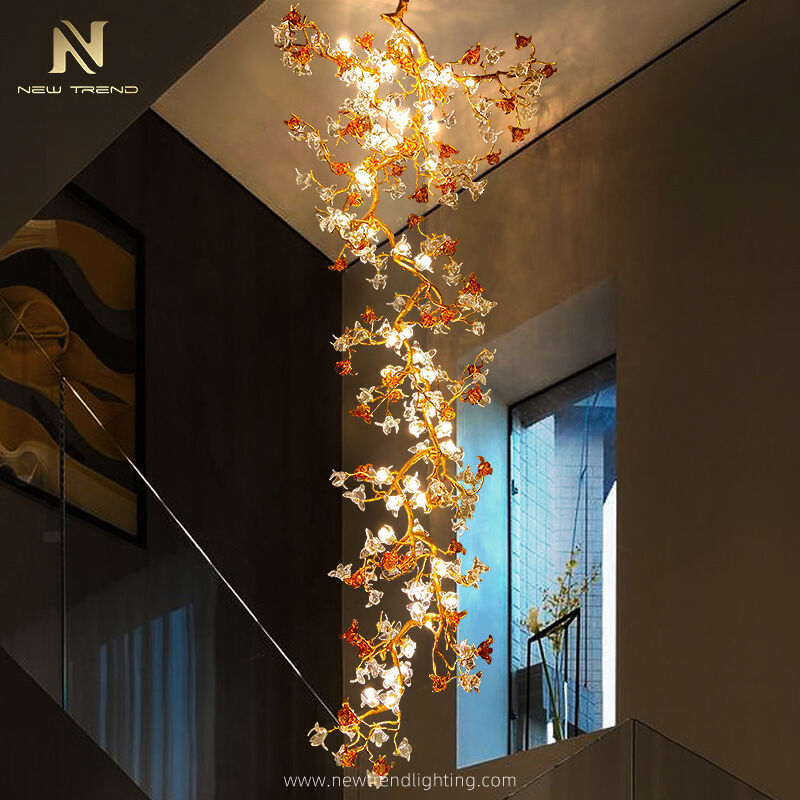
A grand entrance serves as the opening statement of any luxury home or commercial space, setting the tone for everything that follows. The focal point that can truly elevate this critical first impression is a carefully selected staircase chandelier that commands attention while seamlessly integrating with the architectural elements. When positioned strategically above a sweeping staircase, these magnificent lighting fixtures transform ordinary entryways into breathtaking art galleries that captivate visitors from the moment they step through the door. The interplay between light, shadow, and crystalline reflections creates an atmosphere of sophistication that speaks to refined taste and attention to detail.
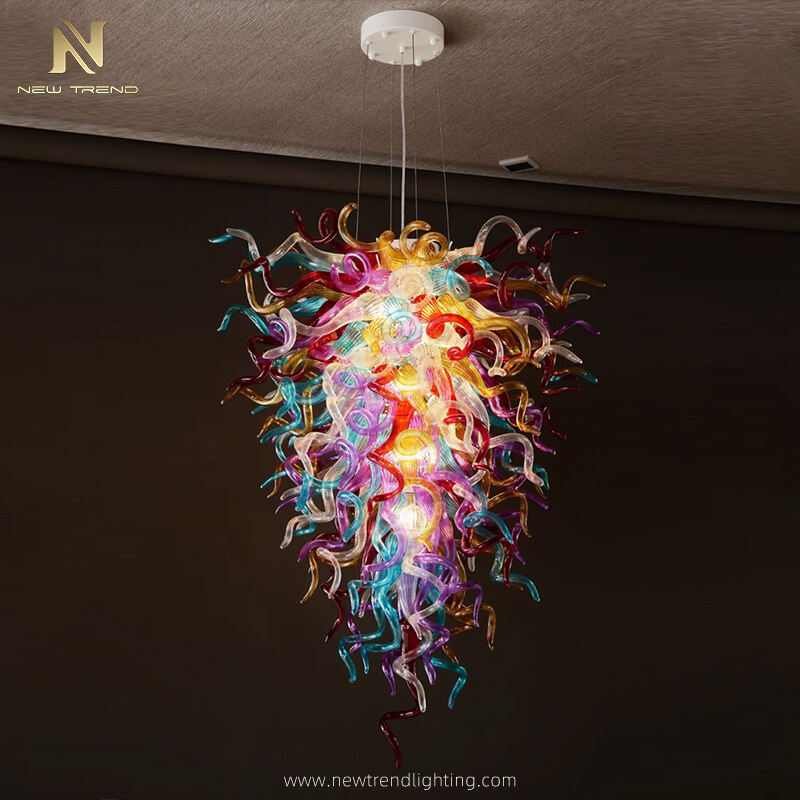
The Architectural Impact of Strategic Lighting Design
Creating Vertical Drama Through Scale and Proportion
The installation of a staircase chandelier fundamentally alters the spatial dynamics of an entrance hall by drawing the eye upward and emphasizing the vertical grandeur of the space. Professional designers understand that the scale relationship between the fixture and the surrounding architecture determines whether the lighting element enhances or overwhelms the environment. A properly proportioned staircase chandelier should complement the ceiling height while maintaining adequate clearance for safe passage on the stairs below.
Multi-story installations benefit from cascading crystal arrangements that follow the natural flow of the staircase, creating a waterfall effect that guides movement through the space. The visual weight of these fixtures must be carefully balanced against other architectural features to maintain harmony throughout the entrance area. When executed with precision, the staircase chandelier becomes an integral part of the structural narrative rather than an afterthought.
Enhancing Natural Light Integration
Daylight streaming through windows and skylights interacts dynamically with a well-positioned staircase chandelier, amplifying the natural illumination while adding layers of complexity to the lighting scheme. The crystalline elements act as prisms, dispersing light throughout the space and creating rainbow effects that dance across walls and surfaces. This interplay between natural and artificial light sources transforms the entrance hall into a living canvas that changes throughout the day.
Strategic placement near windows or glass doors maximizes these optical effects while ensuring the fixture remains visible and impactful even during peak daylight hours. The staircase chandelier serves as a bridge between exterior and interior lighting conditions, maintaining visual continuity as natural light levels fluctuate. Professional lighting designers often incorporate dimming systems that adjust the fixture's intensity in response to ambient light changes.
Material Selection and Artistic Expression
Crystal Quality and Light Refraction Properties
The choice of crystal grade significantly impacts both the aesthetic appeal and functional performance of a staircase chandelier installation. High-quality lead crystal provides superior light refraction capabilities, creating the brilliant sparkle and rainbow effects that distinguish premium fixtures from standard alternatives. The cut and faceting of individual crystal elements determine how light bounces and reflects throughout the space, with more intricate cuts producing enhanced optical effects.
Contemporary manufacturers offer various crystal options, from traditional Austrian varieties to innovative synthetic alternatives that provide similar optical properties at different price points. The clarity and consistency of crystal elements ensure uniform light distribution while maintaining the elegant appearance expected from luxury lighting installations. Regular maintenance preserves these optical qualities and prevents dust accumulation that can diminish the fixture's brilliance over time.
Metal Framework and Structural Integrity
The supporting framework of a staircase chandelier must combine artistic beauty with robust structural engineering to safely support substantial weight loads while maintaining visual elegance. Premium metals such as brass, bronze, or stainless steel provide the strength necessary for large installations while offering design flexibility through various finishing options. The framework design influences both the overall aesthetic and the pattern of light distribution throughout the entrance area.
Modern manufacturing techniques allow for increasingly complex geometric patterns and sculptural forms that push the boundaries of traditional chandelier design. The integration of LED technology within these frameworks enables new possibilities for color-changing effects and programmable lighting sequences. Professional installation ensures proper weight distribution and secure mounting that prevents safety hazards while maintaining the fixture's artistic integrity.
Professional Installation and Safety Considerations
Structural Support and Mounting Requirements
The installation of a substantial staircase chandelier requires careful evaluation of existing structural conditions and may necessitate reinforcement of ceiling joists or installation of additional support beams. Professional contractors assess the load-bearing capacity of mounting points while considering dynamic forces that may affect the fixture during normal building movement. Proper installation prevents dangerous situations while ensuring the chandelier remains securely positioned for years of reliable operation.
Electrical requirements for large staircase chandelier installations often exceed standard residential circuits, requiring upgraded wiring and potentially dedicated electrical panels. Professional electricians ensure compliance with local building codes while implementing safety features such as emergency disconnects and surge protection. The complexity of multi-bulb fixtures demands expertise in load calculations and wire management to prevent overheating or electrical hazards.
Maintenance Access and Long-term Care
The elevated position of most staircase chandelier installations presents unique challenges for routine maintenance and cleaning procedures. Professional designers consider maintenance accessibility during the planning phase, incorporating features such as motorized lowering systems or removable crystal sections that simplify care procedures. Regular cleaning schedules preserve the fixture's appearance while preventing accumulation of dust and debris that can create fire hazards.
Replacement of bulbs and electrical components requires safe access methods and may necessitate specialized equipment or professional service calls. The investment in a high-quality staircase chandelier justifies the additional cost of professional maintenance services that ensure optimal performance and extend the fixture's operational lifespan. Proper care protocols protect both the significant financial investment and the safety of occupants.
Design Integration with Interior Aesthetics
Complementing Architectural Styles
A thoughtfully selected staircase chandelier must harmonize with the existing architectural vocabulary while potentially serving as a bridge between traditional and contemporary design elements. Classical installations benefit from fixtures that echo historical precedents through appropriate scale, material choices, and decorative motifs. Modern spaces allow for more experimental approaches that challenge conventional expectations while maintaining functional excellence.
The style consistency between the staircase chandelier and other design elements throughout the home creates visual cohesion that reinforces the overall aesthetic narrative. Professional interior designers often use the chandelier as an anchor point for color schemes, material palettes, and decorative themes that extend throughout connected spaces. This integrated approach ensures the fixture enhances rather than competes with surrounding design elements.
Color Temperature and Ambiance Creation
The light quality produced by a staircase chandelier significantly influences the perceived warmth and atmosphere of the entrance area. Warm color temperatures create inviting, residential atmospheres that welcome guests and family members alike. Cooler temperatures may be appropriate for contemporary spaces or commercial applications where a more dramatic, gallery-like ambiance is desired.
Advanced LED technology enables dynamic color temperature adjustment that can adapt to different occasions or times of day, providing maximum flexibility in ambiance creation. The ability to program different lighting scenes allows the staircase chandelier to serve multiple functions, from providing bright task lighting during daily activities to creating intimate mood lighting for evening entertainment. This versatility maximizes the value and utility of the lighting investment.
Contemporary Trends and Technology Integration
Smart Home Connectivity and Control Systems
Modern staircase chandelier installations increasingly incorporate smart home technology that enables remote control, scheduling, and integration with broader home automation systems. Voice activation and smartphone apps provide convenient control options while advanced sensors can automatically adjust lighting based on occupancy or time of day. These technological enhancements transform the staircase chandelier from a static decorative element into a dynamic, responsive component of the home environment.
Integration with security systems allows the staircase chandelier to participate in deterrent lighting programs while energy monitoring features provide insight into power consumption and operational costs. Professional installation of smart features ensures reliable connectivity while maintaining the aesthetic integrity of the fixture design. The combination of traditional elegance with cutting-edge technology appeals to homeowners who desire both beauty and functionality.
Energy Efficiency and Environmental Considerations
The transition to LED technology has revolutionized staircase chandelier design by dramatically reducing energy consumption while extending operational lifespans and reducing maintenance requirements. Modern LED arrays produce superior light quality compared to traditional incandescent bulbs while generating minimal heat that reduces stress on crystal elements and metal frameworks. The long-term cost savings often justify higher initial investments in premium LED fixtures.
Environmental consciousness drives demand for fixtures manufactured using sustainable materials and production methods while end-of-life recyclability becomes an increasingly important selection criterion. Manufacturers respond with innovative designs that minimize environmental impact throughout the product lifecycle. The longevity of quality staircase chandelier installations also contributes to sustainability by reducing replacement frequency and associated waste generation.
FAQ
What size staircase chandelier is appropriate for different ceiling heights
For standard 9-foot ceilings, choose a staircase chandelier with a diameter between 20-30 inches, while 12-foot ceilings can accommodate fixtures up to 36 inches wide. Two-story installations with 18-20 foot ceiling heights allow for dramatic chandeliers measuring 48 inches or larger in diameter. Always maintain at least 7 feet of clearance above the highest stair tread to ensure safe passage while maximizing visual impact.
How much does professional installation of a staircase chandelier typically cost
Professional installation costs for a staircase chandelier range from $300-800 for standard fixtures on existing electrical circuits, while complex installations requiring structural reinforcement or new electrical service can cost $1,500-3,000 or more. Factors affecting price include fixture weight, ceiling height, electrical requirements, and accessibility challenges. Always obtain multiple quotes from licensed contractors experienced with chandelier installations to ensure proper installation and safety compliance.
What maintenance is required to keep a staircase chandelier looking its best
Regular dusting every 2-3 months prevents buildup that can dull crystal elements and reduce light output from your staircase chandelier. Annual deep cleaning involves removing individual crystals for washing in mild soap solution, while professional cleaning services every 2-3 years ensure thorough maintenance of electrical components and hard-to-reach areas. Inspect mounting hardware annually and replace LED bulbs as needed to maintain optimal performance and safety.
Can a staircase chandelier work with sloped or vaulted ceilings
Staircase chandelier installations can be adapted for sloped ceilings using adjustable mounting systems and custom suspension methods that ensure the fixture hangs level despite the angled ceiling plane. Vaulted ceilings offer opportunities for dramatic installations with extended chain or cable systems that take advantage of increased height while maintaining proper proportions. Professional installation is essential for sloped ceiling applications to ensure structural integrity and proper electrical connections.