EN
EN


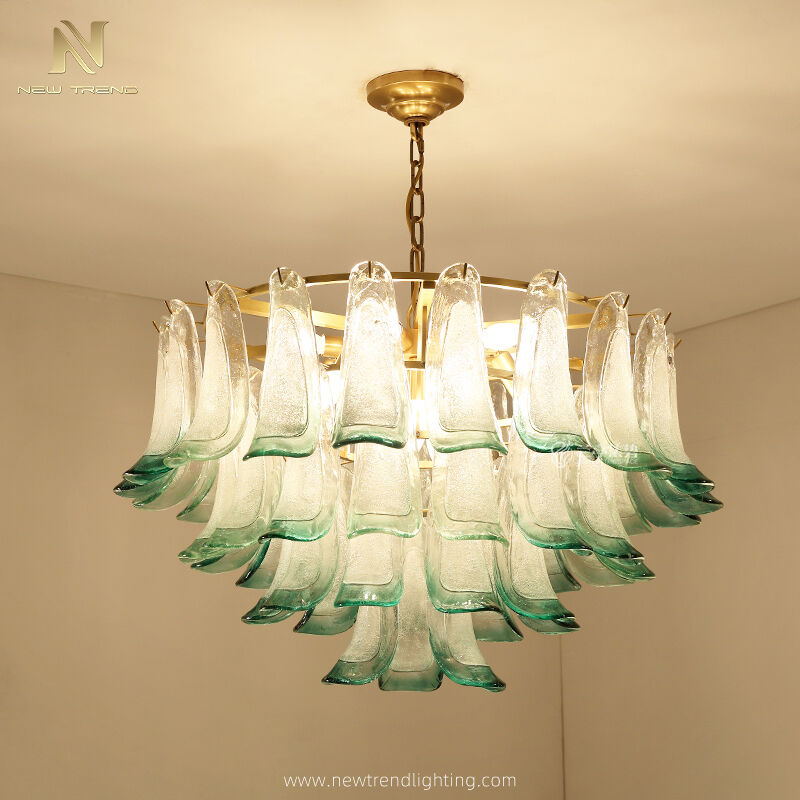
High-end residences demand lighting fixtures that transcend mere functionality, becoming artistic statements that define the character of luxury interiors. The murano glass chandelier stands as the pinnacle of decorative illumination, representing centuries of Italian craftsmanship and artistic excellence. These magnificent fixtures transform spaces through their unique combination of technical mastery, visual splendor, and cultural heritage, making them essential elements for discerning homeowners who appreciate fine artistry.
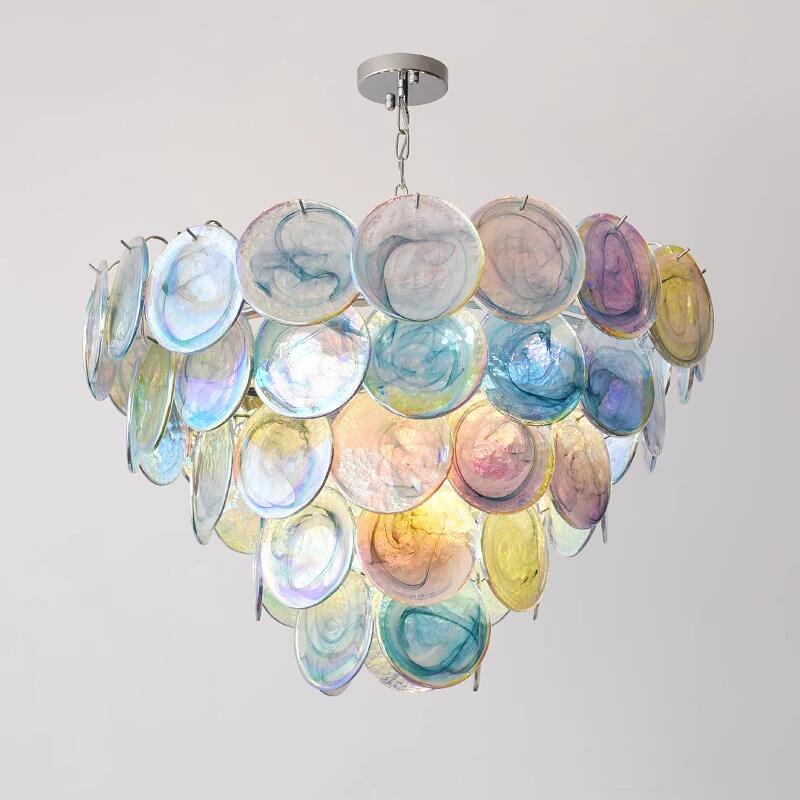
Historical Significance and Artistic Heritage
Origins of Murano Glass Artistry
The island of Murano, located in the Venetian Lagoon, has been the epicenter of glassmaking excellence since the 13th century. Master craftsmen developed revolutionary techniques that elevated glass production from simple utility to extraordinary art. The murano glass chandelier emerged as the ultimate expression of this artistic evolution, combining intricate glassworking skills with architectural lighting needs. These artisans perfected methods such as millefiori, filigrana, and cristallo, creating glass of unprecedented clarity and beauty.
Venice's strategic position as a trading hub allowed Murano artisans to access exotic materials and techniques from across the known world. The closely guarded secrets of glass production were passed down through generations of master craftsmen, creating dynasties of artistic excellence. Each murano glass chandelier represents this unbroken chain of knowledge and skill, carrying forward traditions that have survived wars, political upheavals, and changing artistic movements.
Evolution Through Renaissance and Modern Periods
During the Renaissance, the murano glass chandelier became synonymous with papal palaces, royal courts, and noble residences throughout Europe. Venetian glassmakers pushed artistic boundaries, creating increasingly elaborate designs that incorporated precious metals, colored glass, and complex geometric patterns. The Baroque period saw the development of the classic tiered chandelier form, with cascading glass elements that captured and reflected candlelight in mesmerizing displays.
Modern interpretations of the murano glass chandelier have embraced contemporary aesthetics while honoring traditional craftsmanship. Today's artisans blend time-honored techniques with innovative design concepts, creating pieces that complement both classical and modern architectural styles. This evolution ensures that each chandelier remains relevant to contemporary high-end residences while preserving the artistic integrity of centuries-old traditions.
Technical Mastery and Craftsmanship Excellence
Traditional Glassmaking Techniques
The creation of an authentic murano glass chandelier requires mastery of numerous specialized techniques, each demanding years of training and practice. The furnace work involves heating glass to temperatures exceeding 2000 degrees Fahrenheit, where skilled artisans shape molten material using traditional tools and breath control. The process of creating each individual element requires precise timing, as glass has only moments of workability before cooling and hardening.
Color application in murano glass involves the incorporation of precious metals and rare earth elements during the molten stage. Gold creates warm amber tones, silver produces lustrous effects, and copper generates deep red hues. Master craftsmen understand how these materials interact at extreme temperatures, controlling color saturation and distribution to achieve desired artistic effects in the finished murano glass chandelier.
Assembly and Structural Engineering
Beyond individual glass creation, the assembly of a murano glass chandelier demands architectural understanding and engineering precision. Each component must be perfectly balanced to create stable suspension while maintaining artistic integrity. The internal armature, typically crafted from brass or specialized alloys, provides structural support without compromising the visual flow of glass elements.
Electrical integration requires careful planning to ensure safety standards while preserving the chandelier's aesthetic appeal. Modern murano glass chandelier designs incorporate LED technology and sophisticated dimming systems, allowing homeowners to control ambiance while maintaining energy efficiency. This technical sophistication ensures that these artistic masterpieces function flawlessly in contemporary high-end residences.
Design Elements and Aesthetic Impact
Color Theory and Visual Harmony
The artistic value of a murano glass chandelier extends beyond craftsmanship to encompass sophisticated color theory and visual composition. Master designers understand how different glass hues interact with natural and artificial light throughout the day, creating dynamic visual experiences that evolve with changing illumination conditions. Clear crystal elements provide brilliant light refraction, while colored glass components add depth and character to the overall composition.
Color placement within a murano glass chandelier follows principles of balance and proportion that create visual harmony. Warm tones typically occupy lower sections, drawing the eye upward, while cooler hues in upper regions provide elegant contrast. This careful color orchestration ensures that the fixture complements rather than competes with surrounding interior design elements.
Geometric Proportions and Spatial Relationships
The geometric composition of a murano glass chandelier reflects mathematical principles that have guided artistic creation since antiquity. Golden ratio proportions appear in arm spacing, tier heights, and overall dimensional relationships, creating subconscious aesthetic appeal that resonates with viewers. These proportional relationships ensure that the chandelier maintains visual coherence regardless of viewing angle or distance.
Scale considerations are paramount when selecting a murano glass chandelier for high-end residences. The fixture must complement architectural proportions while commanding appropriate visual presence. Oversized chandeliers in modest spaces can overwhelm, while undersized pieces in grand rooms may appear insignificant. Professional designers consider ceiling height, room dimensions, and furniture scale when specifying these artistic lighting elements.
Installation Considerations for Luxury Residences
Structural Requirements and Safety Standards
Installing a murano glass chandelier in a high-end residence requires careful attention to structural support and safety protocols. These artistic fixtures often weigh several hundred pounds, necessitating reinforced ceiling mounting systems and professional installation by certified technicians. Building codes mandate specific support requirements for suspended lighting fixtures, and insurance considerations may require documentation of proper installation procedures.
Electrical requirements for modern murano glass chandelier installations typically include dedicated circuits, appropriate switching systems, and compatibility with home automation platforms. Smart lighting integration allows homeowners to control multiple lighting scenes, adjusting brightness and color temperature to complement different activities and times of day. These technical capabilities enhance the artistic impact while providing practical functionality for daily use.
Maintenance and Preservation Strategies
Preserving the artistic beauty of a murano glass chandelier requires regular maintenance and proper care techniques. Professional cleaning services specialize in handling delicate glass components, using specific cleaning solutions and techniques that prevent damage while maintaining optical clarity. Dust accumulation can significantly diminish the light transmission and visual impact of these artistic fixtures.
Environmental factors such as humidity, temperature fluctuations, and air quality can affect the longevity of murano glass elements. High-end residences often incorporate climate control systems that maintain stable conditions, protecting valuable art objects including murano glass chandeliers. Proper environmental management ensures that these investments retain their artistic and monetary value over decades of ownership.
Investment Value and Market Positioning
Authentication and Provenance Documentation
Authentic murano glass chandeliers command premium prices in the luxury lighting market due to their artistic heritage and limited production quantities. Documentation of authenticity includes certificates from recognized Murano glassmaking families, photographs of the creation process, and detailed descriptions of techniques used. This provenance documentation enhances both immediate value and long-term investment potential for discerning collectors.
Market values for genuine murano glass chandeliers have appreciated consistently over recent decades, reflecting growing recognition of their artistic merit and cultural significance. Limited production runs, master craftsman signatures, and historical importance all contribute to investment desirability. High-end interior designers increasingly recommend these fixtures as both functional lighting and collectible art objects.
Customization and Bespoke Design Services
Many Murano glass workshops offer bespoke design services for high-end residential projects, creating unique murano glass chandelier designs that reflect individual aesthetic preferences and architectural requirements. Customization options include scale modifications, color specifications, geometric variations, and integration with existing interior design themes. These personalized creations often command higher values due to their exclusivity and perfect integration with luxury residences.
Collaboration between homeowners, interior designers, and Murano artisans results in truly unique artistic statements that cannot be replicated. The design process typically involves detailed consultations, scale drawings, material selections, and production timeline coordination. This level of personalization ensures that each murano glass chandelier becomes an integral part of the residence's artistic character.
Integration with Contemporary Interior Design
Complementing Modern Architectural Styles
Contemporary high-end residences increasingly incorporate murano glass chandeliers as focal points that bridge traditional craftsmanship with modern aesthetics. Clean architectural lines provide perfect contrast to the organic curves and flowing forms typical of Venetian glass artistry. This juxtaposition creates visual tension that enhances both the architectural space and the artistic fixture.
Minimalist interior design philosophies embrace murano glass chandeliers as statement pieces that provide visual interest without cluttering spaces with multiple decorative elements. A single, carefully selected chandelier can transform an entire room, providing both functional illumination and artistic focus. This approach aligns with contemporary preferences for quality over quantity in luxury furnishings.
Color Coordination and Material Harmonies
Successful integration of a murano glass chandelier into high-end residential interiors requires careful consideration of existing color palettes and material selections. Glass elements can complement stone surfaces, metallic accents, fabric textures, and wood finishes when properly coordinated. Professional interior designers often select chandelier specifications that enhance rather than compete with other luxury materials throughout the residence.
Lighting effects created by murano glass elements interact with surrounding surfaces to create complex visual experiences throughout the day. Reflective surfaces such as polished marble or metallic fixtures can amplify and redirect light patterns, creating additional layers of visual interest. Understanding these interactions allows designers to maximize the artistic impact of each murano glass chandelier installation.
FAQ
How can I verify the authenticity of a murano glass chandelier
Authentic murano glass chandeliers should include documentation from recognized Murano glass families or workshops, often featuring signatures, certificates of authenticity, and detailed production information. Look for the distinctive characteristics of genuine Murano glass, including slight variations in thickness, subtle color inconsistencies that indicate hand production, and the quality of metalwork used in assembly. Reputable dealers provide comprehensive provenance documentation and offer guarantees of authenticity backed by their professional reputation.
What maintenance requirements should I expect for a murano glass chandelier
Regular maintenance of a murano glass chandelier includes professional cleaning every six to twelve months, depending on environmental conditions and usage patterns. Specialized cleaning services use appropriate solutions and techniques to preserve glass integrity while maintaining optical clarity. Environmental control systems help minimize dust accumulation and prevent temperature fluctuations that could stress glass components. Annual inspections of mounting hardware and electrical systems ensure continued safe operation and preserve the investment value of these artistic fixtures.
How do I select the appropriate size murano glass chandelier for my space
Selecting the correct size murano glass chandelier involves considering ceiling height, room dimensions, furniture scale, and intended visual impact. Professional designers typically recommend chandelier widths that measure approximately half the room width in feet converted to inches. Ceiling height determines appropriate hanging length, with standard recommendations calling for at least seven feet of clearance below the fixture. Consider the chandelier as both functional lighting and artistic statement when making size decisions for luxury residential installations.
What electrical requirements are needed for modern murano glass chandelier installations
Modern murano glass chandelier installations typically require dedicated electrical circuits capable of handling the fixture's power requirements, appropriate dimming systems compatible with LED or traditional lighting elements, and integration capabilities with home automation systems. Professional electrical installation ensures compliance with local building codes and safety standards while providing optimal functionality. Smart lighting controls allow homeowners to adjust brightness, create lighting scenes, and integrate the chandelier with other home systems for enhanced convenience and energy efficiency.
Table of Contents
- Historical Significance and Artistic Heritage
- Technical Mastery and Craftsmanship Excellence
- Design Elements and Aesthetic Impact
- Installation Considerations for Luxury Residences
- Investment Value and Market Positioning
- Integration with Contemporary Interior Design
-
FAQ
- How can I verify the authenticity of a murano glass chandelier
- What maintenance requirements should I expect for a murano glass chandelier
- How do I select the appropriate size murano glass chandelier for my space
- What electrical requirements are needed for modern murano glass chandelier installations