EN
EN


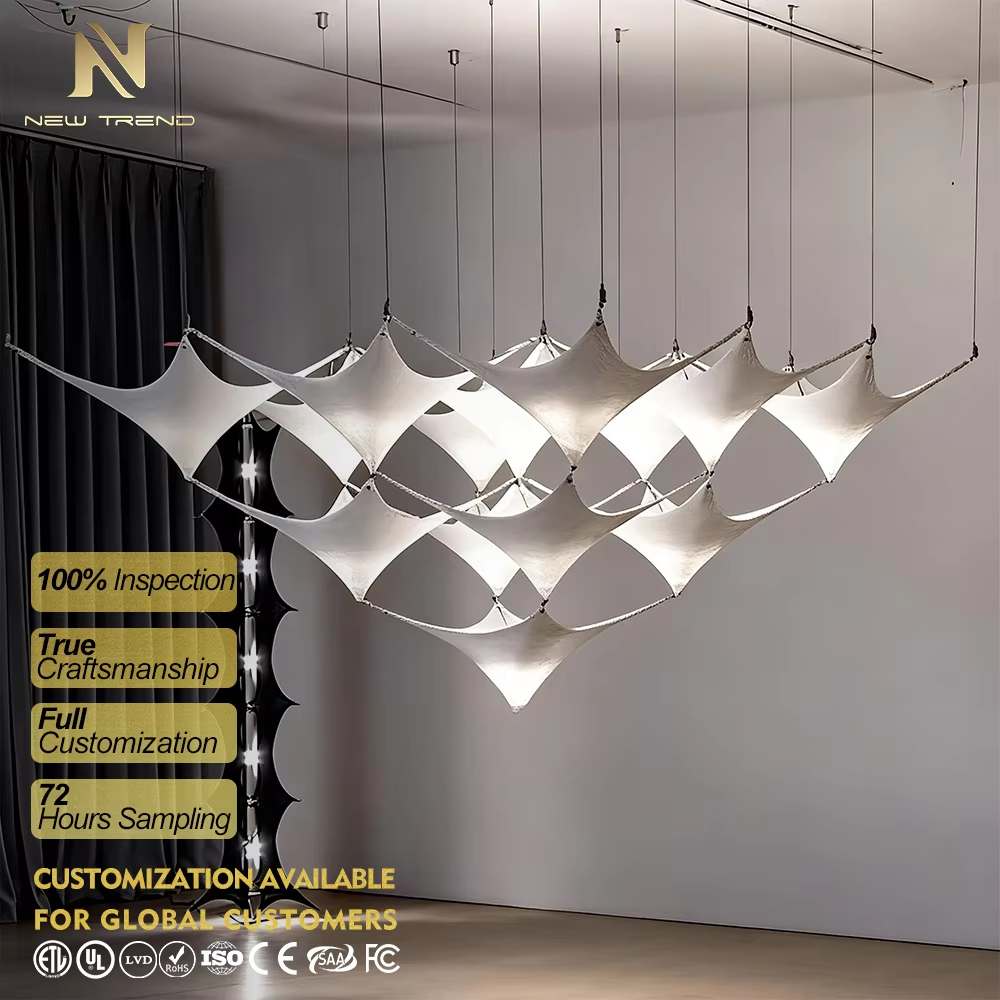
High-end residential developments demand a level of architectural refinement that extends far beyond structural design and interior finishes. Lighting has emerged as a defining element that transforms luxurious living spaces from mere accommodations into immersive experiences. For developers, architects, and interior designers working on premium residential projects, bespoke lighting production represents the critical intersection of artistic vision, technical precision, and manufacturing capability. Unlike mass-produced fixtures available through retail channels, OEM bespoke lighting production offers the design freedom, quality control, and exclusivity that distinguish truly exceptional residential environments from standard luxury offerings.
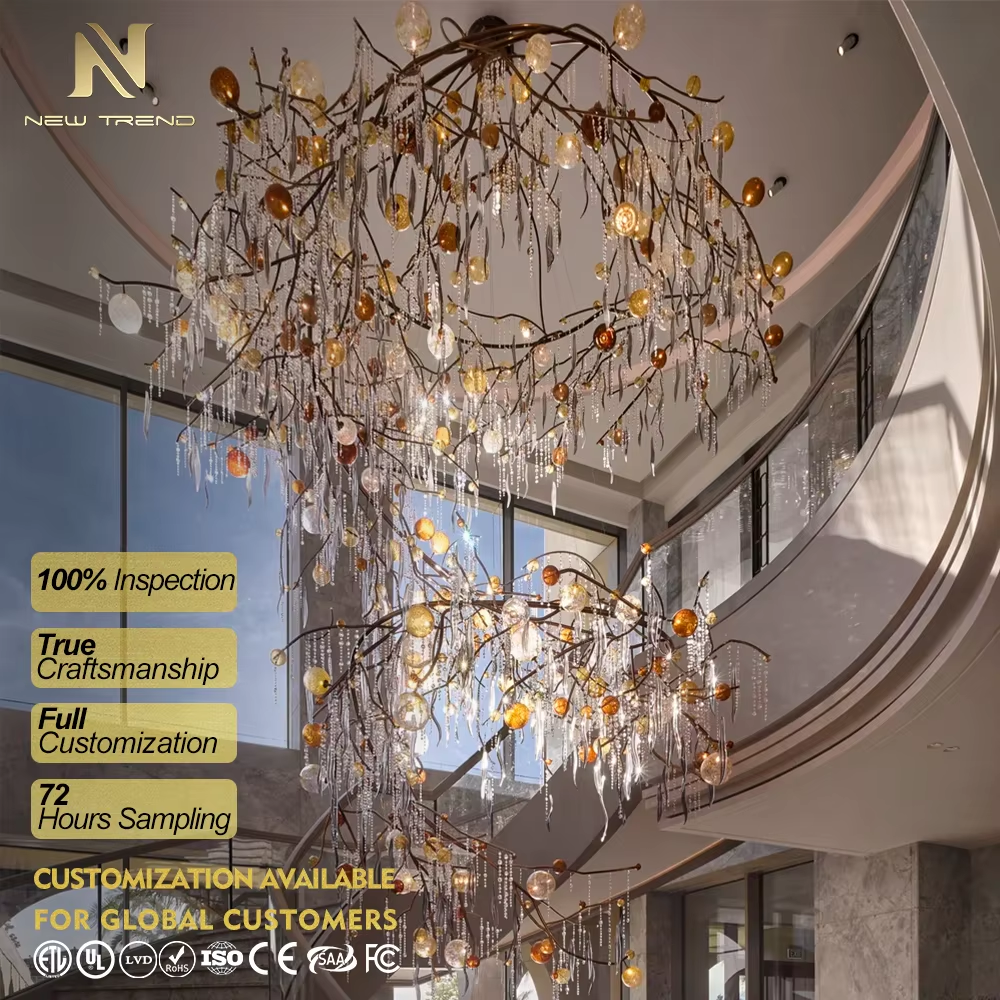
The decision to pursue bespoke lighting production for residential developments reflects a strategic understanding that lighting fixtures serve dual purposes in premium properties. These installations must function as both sculptural art pieces that anchor spatial design and as engineered systems delivering precise illumination performance. Original Equipment Manufacturer partnerships enable development teams to translate ambitious design concepts into physically realized lighting solutions that meet exacting specifications for finish quality, dimensional accuracy, and photometric performance. This comprehensive exploration examines how bespoke lighting production operates within the high-end residential development context, the critical factors that determine manufacturing success, and the strategic considerations that separate exceptional outcomes from disappointing compromises.
Understanding the OEM Bespoke Lighting Production Model
Defining Bespoke Production in the Lighting Manufacturing Context
Bespoke lighting production fundamentally differs from both standard catalog purchasing and simple customization programs. This manufacturing approach begins with original design concepts developed specifically for a particular project, space, or client vision rather than modifications to existing product lines. OEM manufacturers specializing in this work maintain the engineering capabilities, material sourcing networks, and production flexibility necessary to transform conceptual sketches into fully functional lighting installations. The process requires manufacturers to interpret design intent, resolve technical challenges inherent in custom configurations, and execute production with the finish quality expected in luxury residential contexts.
The OEM designation in bespoke lighting production indicates that manufacturers produce fixtures according to specifications provided by designers, developers, or lighting consultants rather than selling under their own brand identity. This arrangement allows residential development teams to maintain design ownership and brand consistency while leveraging specialized manufacturing expertise. Leading OEM lighting manufacturers invest in diverse production capabilities including metalworking, glass fabrication, crystal assembly, and advanced finishing techniques. These facilities employ skilled craftspeople capable of executing complex assembly procedures and quality artisans who apply hand-finished details that automated processes cannot replicate.
Production Capacity and Project Scale Considerations
High-end residential developments present unique scale requirements that influence OEM partner selection and production planning. A luxury condominium tower might require fifty to two hundred custom chandeliers across common areas, penthouses, and amenity spaces, while an exclusive villa development could need twenty to fifty statement pieces alongside hundreds of coordinating fixtures. Successful bespoke lighting production requires manufacturers with sufficient capacity to deliver project quantities within construction timelines while maintaining consistent quality across all units.
Production capacity assessment extends beyond simple manufacturing throughput to encompass material procurement capabilities, quality control systems, and logistical coordination. OEM lighting manufacturers serving the high-end residential market typically maintain relationships with specialized suppliers for premium materials including hand-blown glass, precision-cut crystal, forged metals, and designer textiles. These supply chain connections enable the material consistency essential for producing multiple identical fixtures or coordinated lighting families. Manufacturing facilities must also implement rigorous quality protocols that verify dimensional tolerances, finish uniformity, and electrical performance across production runs rather than relying on sample-based inspection approaches suitable for mass production.
Design Translation and Technical Development Processes
The journey from initial design concept to manufactured bespoke lighting fixture involves multiple technical development stages that determine both aesthetic outcomes and functional performance. Skilled OEM manufacturers employ design engineers who translate artistic renderings into detailed technical drawings specifying materials, dimensions, assembly sequences, and structural requirements. This translation process often reveals design elements that require modification for physical viability, manufacturing efficiency, or electrical code compliance. Collaborative manufacturers present alternative approaches that preserve design intent while addressing technical constraints, rather than simply declaring certain concepts unfeasible.
Prototype development represents a critical phase in bespoke lighting production where theoretical designs become tangible objects subject to practical evaluation. High-quality manufacturers produce functional prototypes that accurately represent proposed finishes, materials, light distribution characteristics, and installation requirements. These physical samples enable designers and clients to assess scale relationships, material interactions, and lighting effects under actual conditions rather than relying solely on renderings or digital simulations. The prototype phase typically reveals refinement opportunities related to proportion adjustments, finish selections, or lighting technology specifications that enhance the final product beyond initial concepts.
Technical Requirements Driving Bespoke Lighting Production Quality
Material Selection and Finish Excellence Standards
Material choices fundamentally define the visual impact and longevity of bespoke lighting fixtures in luxury residential environments. Premium developments demand materials that convey quality through visual appearance, tactile experience, and performance durability. OEM manufacturers specializing in bespoke lighting production maintain extensive material libraries encompassing various metal alloys, glass types, crystal grades, and finishing techniques. Brass and bronze alloys offer superior workability for complex forms and develop rich patinas over time, while stainless steel provides contemporary aesthetic options with exceptional corrosion resistance. Glass selections range from hand-blown art glass with organic variations to precision optical glass delivering controlled light distribution.
Finishing processes distinguish exceptional bespoke lighting production from adequate manufacturing execution. High-end residential fixtures require multi-stage finishing procedures that build depth, uniformity, and durability into decorative surfaces. Plated finishes demand proper substrate preparation, precisely controlled electroplating parameters, and protective topcoat applications that prevent tarnishing and corrosion. Hand-applied patinas require skilled artisans who develop consistent coloration through controlled chemical treatments and selective highlighting techniques. Painted finishes in custom colors necessitate color matching expertise, proper surface preparation, and application methods producing uniform coverage without runs, sags, or texture defects that become apparent under the close viewing distances typical in residential settings.
Electrical Engineering and Lighting Technology Integration
Bespoke lighting production for high-end residences must integrate current lighting technologies while maintaining design purity and ensuring electrical safety compliance. LED technology has become standard in premium residential lighting due to energy efficiency, longevity, and superior controllability compared to traditional light sources. However, successful LED integration in custom fixtures requires careful thermal management design, appropriate driver selection, and proper electrical component layout. OEM manufacturers must engineer heat dissipation pathways that prevent LED degradation without introducing visible cooling elements that compromise aesthetic design. Driver placement requires balancing accessibility for maintenance against concealment preferences that maintain visual refinement.
Advanced control capabilities increasingly define luxury residential lighting expectations, creating additional technical requirements for bespoke lighting production. Dimming functionality must operate smoothly across the full range without flicker, color shift, or audible noise from electronic components. Integration with whole-home automation systems requires compatibility with various control protocols and proper communication interface implementation. Some high-end installations demand tunable white light capabilities enabling color temperature adjustment throughout the day or dynamic color-changing functions for special occasions. OEM manufacturers capable of incorporating these technologies while maintaining fixture design integrity provide significant value in serving sophisticated residential development requirements.
Structural Integrity and Installation Engineering
Large-scale bespoke lighting fixtures create substantial structural demands that require proper engineering throughout the manufacturing process. Statement chandeliers in residential lobbies, atriums, or double-height living spaces may span several meters and weigh hundreds of kilograms when incorporating crystal elements or substantial metal components. Responsible bespoke lighting production includes structural analysis verifying that fixture designs can safely support their own weight, withstand handling during installation, and resist dynamic forces from air movement or seismic events. Quality manufacturers provide detailed installation specifications including required mounting hardware, structural support capacities, and installation procedures that ensure safe, secure fixture placement.
Installation considerations influence design decisions throughout the bespoke lighting production process. Fixtures destined for high ceilings require design approaches facilitating maintenance access for lamp replacement or cleaning without requiring specialized lift equipment for routine service. Modular construction techniques enable shipping large fixtures in manageable components that field-assemble at installation sites, reducing transportation damage risk and enabling access through standard doorways and elevators. Electrical connection systems must balance installation convenience against long-term reliability and code compliance. Manufacturers experienced in high-end residential work anticipate these installation realities during design development, incorporating practical solutions that preserve aesthetic intentions while ensuring successful real-world implementation.
Strategic Considerations for Development Teams Pursuing Bespoke Lighting
Timeline Management and Production Scheduling
Bespoke lighting production operates on extended timelines compared to catalog product procurement, requiring careful coordination with overall development schedules. The complete process from initial design through final delivery typically spans twelve to twenty-four weeks depending on fixture complexity, quantity, and manufacturer capacity. Development teams must initiate lighting design and OEM partner selection early in the project timeline, ideally during schematic design phases when spatial concepts solidify but before detailed construction documentation begins. This early engagement enables lighting designs that integrate architecturally rather than appearing as afterthought additions, while providing adequate production time that avoids rushed manufacturing compromising quality outcomes.
Production scheduling for bespoke lighting involves multiple sequential phases each requiring specific durations. Design development and technical engineering typically consume four to six weeks as concepts translate into manufacturable specifications. Prototype production adds another three to five weeks for complex fixtures requiring custom tooling or specialized material sourcing. Production approval and any subsequent design refinements may require two to three weeks before full manufacturing begins. Actual production duration depends on project scale and fixture complexity, ranging from six to twelve weeks for substantial residential development orders. Experienced development teams build contingency buffers into lighting procurement schedules, recognizing that custom manufacturing inherently involves more variables than standardized product ordering.
Budget Planning and Cost Structure Understanding
Bespoke lighting production costs reflect the specialized labor, custom materials, and individualized attention inherent in made-to-order manufacturing. Development teams must understand that per-fixture pricing significantly exceeds mass-produced alternatives, with custom pieces typically ranging from several thousand to tens of thousands of dollars depending on size, complexity, and material specifications. However, this cost comparison proves misleading when evaluating value within luxury residential contexts where lighting fixtures serve as signature design elements differentiating properties in competitive markets. Appropriate budget allocation for bespoke lighting production typically represents two to five percent of overall interior finish budgets in high-end developments, positioning these installations as significant but proportionate investments.
Cost structures in bespoke lighting production include several components beyond basic manufacturing expenses. Design development fees compensate for engineering time translating concepts into production-ready specifications and producing technical documentation. Prototype costs cover materials and labor for sample production, though manufacturers sometimes absorb these expenses for substantial production orders. Tooling charges apply when fixtures require custom molds, dies, or specialized jigs not applicable to other projects. Material costs reflect actual component expenses rather than averaged pricing across product lines, meaning premium finishes or rare materials directly impact project budgets. Understanding these cost elements enables development teams to make informed decisions about where to invest in custom solutions versus where standard offerings prove adequate.
Quality Assurance and Acceptance Testing Protocols
Ensuring that bespoke lighting production meets expectations requires establishing clear quality standards and verification procedures before manufacturing begins. Development teams should define acceptance criteria addressing finish quality expectations, dimensional tolerances, photometric performance specifications, and electrical safety compliance requirements. These standards provide objective benchmarks against which manufacturers execute production and by which clients evaluate deliverables. Written specifications prevent misunderstandings about subjective quality expectations, particularly regarding finish uniformity, color matching, and detail execution where personal interpretations may vary without documented references.
Professional development teams implement staged inspection protocols throughout bespoke lighting production rather than relying solely on final product inspection. Pre-production meetings review approved prototypes, finalized technical drawings, and material samples establishing the standards for full manufacturing. In-process inspections at the manufacturing facility enable early detection of quality deviations before entire production runs proceed incorrectly. These interim reviews might occur after initial fixture assembly before finishing application, or following finishing but before final electrical installation and testing. Final acceptance inspection verifies that completed fixtures meet all specified criteria before shipment authorization. Some projects warrant independent third-party inspection services providing objective quality verification, particularly for large developments where substantial investments justify additional oversight costs.
Manufacturer Selection and Partnership Management
Evaluating OEM Manufacturing Capabilities and Experience
Selecting appropriate OEM partners for bespoke lighting production requires thorough evaluation of manufacturing capabilities, quality systems, and relevant project experience. Development teams should assess manufacturers' technical infrastructure including available metalworking equipment, finishing facilities, assembly areas, and quality control systems. Site visits to manufacturing facilities reveal operational realities that website presentations and sales materials may not fully convey. Observing active production provides insights into workforce skill levels, process organization, material handling practices, and quality attention that directly impact final product outcomes.
Portfolio review offers essential evidence of manufacturers' aesthetic capabilities and experience with projects of similar scope and complexity. Examining completed installations demonstrates finish quality under actual use conditions rather than controlled photography settings. Reference conversations with previous clients provide candid assessments of manufacturers' performance regarding schedule adherence, communication quality, problem-solving approaches, and post-delivery support. Development teams should specifically seek manufacturers with demonstrated experience in high-end residential work, as the quality expectations and project management requirements in this sector differ substantially from commercial, hospitality, or retail lighting applications.
Communication and Collaboration Throughout Production
Successful bespoke lighting production depends on effective communication between development teams and manufacturing partners throughout the entire process. Establishing clear communication protocols at project initiation prevents misunderstandings and ensures timely information exchange. Designated project contacts on both sides streamline decision-making and maintain continuity as questions arise during design development and manufacturing. Regular progress updates via scheduled calls or written reports keep development teams informed about production status, enabling proactive response to any emerging schedule concerns or technical issues requiring design team input.
Collaborative problem-solving distinguishes productive manufacturer relationships from transactional vendor arrangements. Complex bespoke lighting production inevitably encounters technical challenges, material availability issues, or design refinement opportunities as theoretical concepts meet manufacturing realities. Manufacturers who proactively communicate these situations and propose solutions while respecting design intent become valued partners rather than mere suppliers. Development teams should cultivate relationships encouraging manufacturers to raise concerns early when potential issues first become apparent, rather than creating environments where manufacturers hesitate to report problems until they become critical. This collaborative approach produces superior outcomes compared to adversarial relationships focused on contractual obligations rather than shared project success.
Post-Delivery Support and Long-Term Considerations
The relationship between development teams and bespoke lighting production partners extends beyond initial fixture delivery to encompass installation support, maintenance guidance, and potential future servicing needs. Quality manufacturers provide detailed installation instructions, electrical connection diagrams, and technical support during fixture installation to ensure proper implementation. Some offer installation supervision services where manufacturer representatives oversee fixture placement, particularly for complex or large-scale installations where improper handling could cause damage or safety concerns. This installation support proves especially valuable when general contractors lack experience with high-end decorative lighting requiring specialized handling techniques.
Long-term maintenance considerations influence both initial design decisions and manufacturer selection criteria. Development teams should discuss maintenance requirements during design development, ensuring that bespoke lighting production incorporates practical serviceability features. Manufacturers should provide maintenance guidelines addressing cleaning procedures appropriate for specific finishes, lamp replacement instructions, and recommended service intervals. For residential developments where lighting maintenance falls to property management teams or individual homeowners, clear documentation and straightforward maintenance procedures enhance long-term satisfaction with custom lighting investments. Forward-thinking manufacturers maintain component inventories for projects they've produced, enabling replacement part availability years after initial installation should damage or wear require fixture repairs.
FAQ
What timeline should development teams expect for bespoke lighting production from initial concept to installation?
Complete bespoke lighting production timelines typically range from twelve to twenty-four weeks depending on fixture complexity, project scale, and manufacturer capacity. This includes four to six weeks for design development and engineering, three to five weeks for prototype production and approval, and six to twelve weeks for full manufacturing of project quantities. Development teams should initiate the lighting design process during early project phases and build schedule contingencies recognizing that custom manufacturing involves more variables than catalog product procurement. Rush production may be possible for smaller quantities but often incurs premium pricing and may compromise quality outcomes.
How do costs for bespoke lighting production compare to high-end catalog fixtures?
Bespoke lighting production costs substantially exceed mass-produced alternatives due to specialized labor, custom materials, individualized engineering, and smaller production volumes. Custom fixtures typically range from several thousand to tens of thousands of dollars each depending on size, complexity, and specifications. However, within luxury residential developments where lighting serves as signature design elements, this investment represents appropriate value allocation typically comprising two to five percent of overall interior finish budgets. The cost differential purchases design exclusivity, perfect specification alignment, and distinctive character that catalog products cannot provide regardless of their quality level.
What factors most critically determine bespoke lighting production quality outcomes?
Manufacturing capability depth, material quality selection, and finish execution excellence most critically determine bespoke lighting production outcomes. Manufacturers must possess appropriate metalworking equipment, finishing facilities, and skilled craftspeople capable of executing complex assemblies and decorative techniques. Material selections including metal alloys, glass types, and finishing processes directly impact visual appearance, tactile quality, and long-term durability. Rigorous quality control systems ensuring consistent execution across all production units separate exceptional manufacturers from adequate suppliers. Development teams should prioritize these capability factors during manufacturer selection rather than focusing primarily on pricing considerations.
Can bespoke lighting production accommodate integration with home automation systems?
Yes, experienced OEM manufacturers can integrate contemporary control technologies including dimming systems, tunable white light, color-changing capabilities, and whole-home automation compatibility into bespoke lighting production. Successful integration requires early specification of control requirements during design development so manufacturers can incorporate appropriate drivers, communication interfaces, and control protocols. Development teams should provide detailed control system specifications including manufacturer information and technical requirements enabling proper compatibility engineering. While technology integration adds complexity and cost to bespoke lighting production, it delivers the sophisticated functionality expected in modern luxury residences without compromising the custom aesthetic design that motivated the bespoke approach.
Table of Contents
- Understanding the OEM Bespoke Lighting Production Model
- Technical Requirements Driving Bespoke Lighting Production Quality
- Strategic Considerations for Development Teams Pursuing Bespoke Lighting
- Manufacturer Selection and Partnership Management
-
FAQ
- What timeline should development teams expect for bespoke lighting production from initial concept to installation?
- How do costs for bespoke lighting production compare to high-end catalog fixtures?
- What factors most critically determine bespoke lighting production quality outcomes?
- Can bespoke lighting production accommodate integration with home automation systems?