EN
EN



Large-scale bespoke lighting installations represent a critical investment for commercial properties, hospitality venues, corporate headquarters, and luxury residential developments. Unlike standard lighting procurement, these projects demand specialized knowledge spanning design coordination, technical specifications, budget management, and long-term operational considerations. Procurement professionals tasked with sourcing bespoke lighting installations must navigate complex decision frameworks that balance aesthetic vision, functional requirements, regulatory compliance, and financial constraints while ensuring seamless collaboration between architects, interior designers, electrical contractors, and lighting manufacturers.
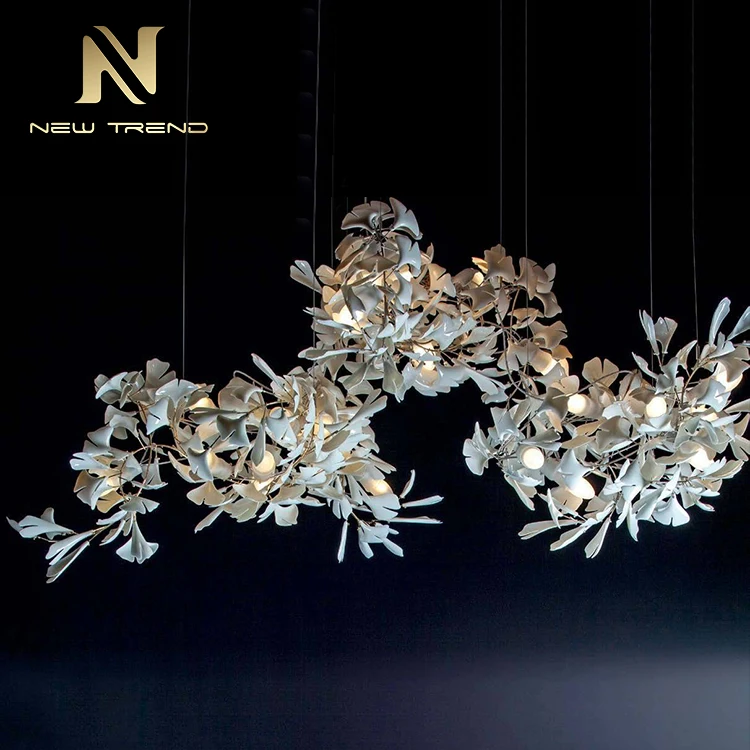
This comprehensive procurement guide addresses the unique challenges inherent in commissioning custom lighting solutions for projects exceeding standard commercial scale. Whether managing hotel lobby chandeliers spanning multiple floors, convention center installations requiring specialized structural integration, or corporate atrium lighting systems incorporating smart controls and energy efficiency targets, procurement decisions directly impact project timelines, budget performance, and ultimate design success. Understanding the distinct phases of bespoke lighting procurement—from initial specification development through manufacturing oversight and installation coordination—enables procurement teams to mitigate risks, optimize vendor selection, and deliver installations that meet exacting quality standards while maintaining schedule and budget integrity.
Understanding the Scope and Requirements of Bespoke Lighting Installations
Defining Project-Specific Lighting Needs
Successful procurement of bespoke lighting installations begins with comprehensive scope definition that translates architectural intent into technically actionable specifications. Unlike catalog-based lighting purchases, custom installations require detailed documentation of dimensional constraints, mounting conditions, electrical infrastructure limitations, and aesthetic objectives. Procurement teams must facilitate early collaboration between design professionals and potential manufacturing partners to establish feasibility boundaries before finalizing conceptual designs. This preliminary engagement prevents costly redesigns during fabrication phases and ensures that proposed bespoke lighting installations align with site-specific structural capabilities, electrical service capacities, and maintenance access requirements.
The scope definition process should capture critical performance parameters including illumination levels, color temperature specifications, dimming functionality, control system integration requirements, and energy consumption targets. For large-scale projects, these technical requirements must be documented alongside aesthetic considerations such as finish materials, light distribution patterns, and visual impact from multiple viewing angles. Procurement professionals should develop specification templates that standardize information gathering across diverse project stakeholders while remaining flexible enough to accommodate the unique characteristics of each bespoke lighting installation. This structured approach creates a common reference framework that facilitates accurate vendor quotations and reduces ambiguity during contract negotiations.
Assessing Spatial and Structural Constraints
Large-scale bespoke lighting installations frequently encounter spatial challenges that significantly influence procurement decisions and manufacturing approaches. Ceiling heights, access pathways for installation and maintenance, structural load-bearing capacities, and spatial relationships with adjacent architectural elements all impose constraints that must be identified early in procurement planning. Procurement teams should coordinate detailed site surveys that document existing conditions, identify potential installation obstacles, and verify dimensional assumptions underlying design proposals. For projects involving historic buildings or complex architectural geometries, laser scanning and three-dimensional modeling provide valuable tools for validating design feasibility and identifying potential conflicts before manufacturing commitments are finalized.
Structural integration considerations extend beyond simple weight calculations to encompass vibration resistance, seismic performance requirements, and long-term deflection tolerances. Custom bespoke lighting installations in high-ceiling applications such as hotel lobbies or convention centers may require specialized mounting systems engineered to distribute loads across multiple structural attachment points while maintaining precise alignment and levelness. Procurement specifications should clearly delineate responsibility for structural engineering calculations, coordination with structural engineers of record, and provision of mounting hardware that meets applicable building codes. Understanding these spatial and structural constraints enables procurement teams to evaluate vendor capabilities accurately and select manufacturing partners with demonstrated experience in comparable installation environments.
Establishing Quality and Performance Standards
Quality expectations for bespoke lighting installations must be explicitly defined through measurable performance criteria and acceptance standards that protect project interests while providing manufacturers with clear production targets. Procurement documentation should specify material grades, finish quality levels, electrical component standards, and photometric performance requirements using industry-recognized testing protocols and certification frameworks. For custom fixtures incorporating LED technology, specifications should address lumen maintenance projections, color consistency tolerances, driver efficiency ratings, and warranty coverage for both luminous components and structural elements. These technical standards create objective evaluation criteria that support quality control inspections during manufacturing and installation phases.
Beyond technical performance metrics, quality standards for large-scale custom installations should address manufacturing process controls, inspection protocols, and documentation requirements that demonstrate compliance throughout production cycles. Procurement teams should require factory inspection opportunities, progress photography, and pre-shipment testing that verifies dimensional accuracy, finish consistency, and electrical functionality before fixtures leave manufacturing facilities. For projects involving multiple identical or similar custom units, establishing sample approval processes ensures that production fixtures match approved prototypes in all material respects. These quality assurance measures prove particularly valuable in bespoke lighting installations where one-of-a-kind designs preclude the availability of reference installations for evaluation purposes.
Vendor Selection and Qualification for Custom Lighting Projects
Evaluating Manufacturing Capabilities and Experience
Selecting qualified manufacturers for bespoke lighting installations requires rigorous evaluation of technical capabilities, production capacity, and relevant project experience that extends beyond standard product line offerings. Procurement teams should assess potential vendors based on their demonstrated ability to execute custom metalworking, glass fabrication, specialized finishing processes, and precision assembly operations required for one-of-a-kind fixture designs. Site visits to manufacturing facilities provide invaluable insights into equipment sophistication, quality control systems, workforce skill levels, and overall production environment cleanliness that directly correlate with finished product quality. For large-scale installations, vendor capacity to manage complex project schedules while maintaining quality standards under production pressure represents a critical qualification criterion.
Experience with comparable bespoke lighting installations serves as a strong predictor of successful project execution. Procurement evaluations should request detailed case studies documenting previous custom projects of similar scale, complexity, and technical requirements. Reference contacts from completed installations enable verification of vendor performance regarding schedule adherence, responsiveness to design modifications, quality consistency, and post-installation support. Manufacturers specializing in bespoke lighting installations for hospitality, commercial, and institutional applications typically maintain portfolios showcasing their design-fabrication integration capabilities and problem-solving approaches when confronting complex project challenges. This documented experience provides procurement teams with confidence that selected vendors possess both technical competence and project management sophistication necessary for successful execution.
Assessing Design-Build Integration Capabilities
The inherently collaborative nature of bespoke lighting installations demands vendor capabilities that extend beyond pure manufacturing execution to encompass design refinement, engineering problem-solving, and value engineering contributions. Procurement teams should prioritize vendors offering integrated design-build services that include in-house engineering resources, CAD modeling capabilities, photometric analysis tools, and prototyping facilities. These integrated capabilities enable iterative design development that optimizes custom fixtures for manufacturability, cost efficiency, and performance while maintaining design intent. Vendors who actively participate in design refinement discussions often identify potential installation challenges or maintenance complications early enough to implement design modifications that prevent field problems.
Effective design-build integration requires communication protocols and project management disciplines that facilitate seamless information exchange between design teams, procurement professionals, and manufacturing partners. Qualified vendors should demonstrate established processes for design review, submittal preparation, value engineering proposal development, and change order management that align with standard construction industry practices. For complex bespoke lighting installations involving multiple fixture types or phased delivery schedules, vendors must maintain sophisticated project tracking systems that coordinate engineering approvals, material procurement, production scheduling, and quality inspections across extended project timelines. Procurement evaluations should assess these project management capabilities through references, process documentation review, and discussion of vendor approaches to managing design changes and schedule pressures typical of large-scale construction projects.
Financial Stability and Risk Management
The extended timelines and substantial financial commitments characteristic of large-scale bespoke lighting installations expose projects to vendor-related financial risks that prudent procurement practices must address through comprehensive due diligence. Vendor financial stability assessments should include credit checks, financial statement reviews, and evaluation of bonding capacity sufficient to secure performance and payment obligations commensurate with project values. For international sourcing arrangements, procurement teams must additionally consider currency exchange risks, import compliance requirements, and international warranty enforcement complications that may impact total project costs and risk profiles. Requiring payment security instruments such as letters of credit or phased payment structures tied to verifiable production milestones helps mitigate financial exposure while incentivizing vendor performance.
Risk management strategies for bespoke lighting installations should address potential vendor performance failures including quality deficiencies, schedule delays, design errors, and business continuity disruptions. Procurement contracts should incorporate clearly defined remedies, liquidated damages provisions for schedule failures, warranty terms covering both manufacturing defects and performance shortfalls, and provisions for procurement team inspection rights throughout manufacturing processes. Insurance requirements including product liability coverage, professional liability for design services, and installation insurance protect project interests against damages arising from vendor performance failures. For exceptionally large or complex installations, procurement teams may consider requiring vendor quality assurance bonds or establishing escrow arrangements for tooling and intellectual property that enable alternative sourcing if primary vendors fail to perform satisfactorily.
Technical Specification Development and Documentation
Creating Comprehensive Technical Specifications
Technical specifications for bespoke lighting installations must balance sufficient detail to ensure accurate vendor quotations and quality production while avoiding over-specification that unnecessarily constrains manufacturing approaches or inflates costs. Procurement teams should develop layered specification documents that clearly distinguish between mandatory performance requirements and preferred approaches, enabling vendors to propose alternative solutions that meet functional objectives through different technical means. Critical specification elements include dimensional tolerances, material standards, finish specifications, electrical component requirements, photometric performance targets, and testing protocols. For custom fixtures incorporating emerging technologies such as tunable white LEDs or integrated wireless controls, specifications should reference applicable industry standards while acknowledging that rapidly evolving technology may necessitate specification flexibility to incorporate superior alternatives emerging during procurement cycles.
Specification documentation should incorporate visual references including design renderings, material samples, finish examples, and precedent photographs that communicate aesthetic intent more effectively than written descriptions alone. For complex bespoke lighting installations involving multiple fixture variations or custom finishes, specification organization should employ systematic naming conventions and reference numbering systems that facilitate clear communication across design teams, procurement professionals, and manufacturing partners. Drawing packages should include not only fixture design details but also installation context drawings showing spatial relationships, mounting conditions, electrical connection requirements, and maintenance access provisions. This comprehensive documentation reduces interpretation ambiguity and provides vendors with information necessary to develop accurate cost estimates and production schedules while identifying potential design-manufacturing conflicts requiring resolution before contract execution.
Addressing Control Systems and Smart Integration
Modern large-scale bespoke lighting installations increasingly incorporate sophisticated control systems enabling scene programming, daylight harvesting, occupancy-based operation, and integration with building management systems. Procurement specifications must address control system requirements comprehensively, including control protocol standards such as DALI, DMX, or proprietary systems, driver compatibility requirements, control interface specifications, and programming requirements. For projects involving multiple custom fixture types, specifications should establish control system architecture that enables centralized management while maintaining flexibility for future modifications or expansions. Clear delineation of responsibilities between lighting fixture manufacturers, control system providers, and electrical contractors prevents gaps in scope that commonly emerge at interfaces between custom fixtures and building electrical infrastructure.
Integration requirements for smart building systems demand careful specification of communication protocols, network infrastructure dependencies, cybersecurity provisions, and long-term system maintenance considerations. Bespoke lighting installations incorporating addressable control capabilities require specification of device addressing schemes, control zone definitions, and commissioning procedures that ensure installed systems perform as intended. Procurement teams should require detailed control system documentation including wiring diagrams, programming specifications, user interface designs, and commissioning test procedures that enable verification of proper system operation before project acceptance. For custom installations in facilities operating 24/7 or serving critical functions, specifications should address redundancy provisions, fail-safe operating modes, and maintenance protocols that ensure lighting system reliability throughout building operational lifecycles.
Environmental and Regulatory Compliance Requirements
Bespoke lighting installations must comply with applicable electrical codes, energy efficiency standards, environmental regulations, and industry safety requirements that vary by jurisdiction and project type. Procurement specifications should explicitly reference applicable code editions, listing requirements from recognized testing laboratories, and energy code compliance documentation necessary for building permit approvals. For custom fixtures incorporating non-standard designs or novel technologies, specifications should require vendor submission of test reports, engineering calculations, and regulatory approvals demonstrating code compliance before manufacturing commencement. International projects demand particularly careful attention to regional certification requirements, voltage standards, and import compliance documentation that enable customs clearance and installation approval by local authorities having jurisdiction.
Environmental compliance considerations for large-scale bespoke lighting installations extend beyond energy efficiency to encompass material sustainability, manufacturing process environmental impacts, end-of-life disposal provisions, and hazardous material restrictions such as RoHS directives. Procurement specifications increasingly incorporate sustainability requirements including recycled content minimums, low-VOC finishes, conflict mineral declarations, and manufacturer environmental management system certifications. For projects pursuing green building certifications such as LEED or WELL, specifications must address specific documentation requirements including product declarations, light pollution limitations, and controllability features that contribute to certification point achievement. These environmental compliance provisions align procurement practices with broader organizational sustainability objectives while ensuring installed lighting systems meet increasingly stringent regulatory requirements governing commercial building operations.
Project Management and Installation Coordination
Manufacturing Oversight and Quality Control
Effective procurement management of bespoke lighting installations requires active oversight throughout manufacturing cycles to verify quality, monitor progress, and address emerging issues before they impact project schedules. Procurement teams should establish inspection protocols including initial material approvals, in-process quality checkpoints, and pre-shipment final inspections that provide visibility into manufacturing status while enabling early detection of quality deviations. For large projects involving multiple custom fixtures or extended production timelines, requiring periodic progress photography and dimensional verification reports maintains accountability and provides documentation supporting payment milestone releases. Factory inspection visits by project representatives or third-party quality inspectors offer opportunities to assess production quality directly, verify compliance with approved samples, and resolve technical questions through direct consultation with manufacturing personnel.
Quality control protocols for bespoke lighting installations should address both aesthetic consistency and functional performance verification. Finish quality inspections must evaluate surface preparation, coating uniformity, color matching across multiple components, and durability of applied finishes under standardized testing conditions. Electrical testing should verify proper component installation, connection integrity, ground continuity, insulation resistance, and photometric performance conformance to specified output levels and distribution patterns. For custom fixtures incorporating complex mechanical features such as adjustable mounting systems or articulating components, functional testing should confirm smooth operation, secure locking mechanisms, and durability through repeated operation cycles. Documented quality control records provide essential evidence of contractor due diligence and support warranty claims if post-installation deficiencies emerge.
Logistics Planning and Installation Sequencing
The physical scale and custom nature of large bespoke lighting installations demand sophisticated logistics planning addressing transportation constraints, site access limitations, storage requirements, and installation sequencing that aligns with overall construction schedules. Procurement teams should coordinate detailed shipping plans that account for fixture dimensions, fragility, special handling requirements, and delivery timing synchronized with construction readiness and crew availability. For oversized custom fixtures exceeding standard freight dimensions, transportation planning must address specialized rigging requirements, route surveys identifying clearance restrictions, and potential requirements for police escorts or temporary traffic control. International shipping arrangements require additional coordination of customs documentation, import duties calculation, and freight forwarding arrangements that minimize transit times while ensuring proper insurance coverage throughout transportation cycles.
Installation sequencing for bespoke lighting installations must integrate with broader construction scheduling to ensure structural mounting provisions are completed, electrical rough-in work is verified, and access equipment is available when fixtures arrive on-site. Procurement coordination should facilitate pre-installation meetings bringing together lighting manufacturers, electrical contractors, general contractors, and rigging specialists to review installation procedures, identify potential conflicts, and establish communication protocols for addressing field conditions differing from design assumptions. For complex installations requiring specialized rigging, procurement contracts should clearly delineate responsibility for installation engineering, rigging equipment provision, and on-site installation supervision by manufacturer representatives. Detailed installation documentation including rigging drawings, electrical connection diagrams, and step-by-step installation procedures ensures consistent execution while providing reference materials supporting future maintenance operations or fixture relocations.
Commissioning and Performance Verification
Comprehensive commissioning processes verify that installed bespoke lighting installations meet specified performance requirements, operate reliably, and integrate properly with building systems before final project acceptance. Procurement teams should require structured commissioning protocols including systematic testing of all fixture functions, control system operations, emergency lighting capabilities where applicable, and photometric performance verification at representative measurement locations. For installations incorporating sophisticated control systems, commissioning must validate proper scene programming, sensor calibration, network communications, and user interface functionality through realistic operational scenarios. Documentation of commissioning results including test measurements, deficiency lists, and corrective action records provides essential evidence of proper system completion and establishes baseline performance references for future maintenance activities.
Performance verification for custom bespoke lighting installations should extend beyond initial commissioning to include owner training, warranty activation, and establishment of maintenance protocols that preserve long-term system performance. Procurement contracts should require comprehensive training for facility maintenance personnel covering routine maintenance procedures, lamp replacement protocols, control system operation, troubleshooting procedures, and documentation of recommended spare parts inventories. Warranty documentation must clearly specify coverage periods, exclusions, maintenance requirements that preserve warranty validity, and procedures for obtaining warranty service. For large-scale installations, establishing maintenance service agreements with fixture manufacturers or qualified service providers ensures access to specialized expertise and genuine replacement components throughout fixture service lives, protecting owner investments in custom installations that may require specialized knowledge for proper maintenance.
Cost Management and Value Optimization
Developing Realistic Budget Frameworks
Budget development for large-scale bespoke lighting installations requires comprehensive cost analysis extending beyond fixture manufacturing costs to encompass engineering fees, shipping expenses, installation labor, control systems, commissioning services, and contingency allocations addressing inherent uncertainties in custom work. Procurement professionals should develop detailed cost breakdowns that separately identify design fees, tooling costs, material expenses, fabrication labor, quality control testing, packaging and shipping, installation rigging, electrical connection work, and project management overhead. This granular cost visibility enables informed value engineering decisions, facilitates accurate change order pricing, and supports financial tracking throughout extended project timelines. For budgeting purposes, procurement teams should recognize that bespoke lighting installations typically command premium pricing reflecting custom design services, specialized manufacturing capabilities, and project-specific risk factors absent from standard product procurement.
Realistic budget frameworks account for potential cost escalation factors including material price volatility, currency exchange fluctuations for international sourcing, design changes during manufacturing phases, and extended project schedules that may trigger price adjustment clauses. Procurement budgets should incorporate contingency allocations ranging from ten to twenty percent of estimated costs depending on design complexity, vendor experience with comparable projects, and project schedule certainty. For phased projects involving multiple contract packages or extended delivery schedules, budget planning should address escalation provisions that protect vendors against sustained material cost increases while providing owners with cost certainty for budget planning purposes. Early engagement with qualified vendors during budget development phases enables more accurate cost estimating based on actual manufacturing capabilities rather than theoretical assumptions that may prove unrealistic during procurement execution.
Implementing Value Engineering Strategies
Value engineering for bespoke lighting installations focuses on optimizing design-cost relationships without compromising aesthetic intent or functional performance. Procurement teams should facilitate value engineering workshops engaging designers, manufacturers, and cost estimators in collaborative exploration of alternative materials, simplified fabrication approaches, standardized components, and modular design strategies that reduce custom manufacturing costs while preserving design character. Common value engineering opportunities include substituting lower-cost materials in non-visible components, eliminating unnecessarily tight tolerances that drive manufacturing costs without visual benefit, consolidating custom components to reduce tooling costs, and leveraging manufacturer standard components where compatible with overall design direction. Successful value engineering requires open communication and mutual respect between design and manufacturing perspectives, recognizing that manufacturers often possess insights into cost-effective production methods that designers may not anticipate.
Value optimization extends beyond pure cost reduction to encompass lifecycle cost considerations including energy consumption, maintenance requirements, lamp replacement frequencies, and expected service life that influence total ownership costs over building operational periods. Procurement analysis should evaluate alternative lighting technologies, control strategies, and component quality grades using lifecycle cost modeling that weights initial procurement costs against projected operational expenses and replacement costs over realistic analysis periods. For large-scale installations, modest incremental investments in higher-efficiency LED components, more sophisticated dimming capabilities, or enhanced control systems often generate substantial lifecycle savings through reduced energy consumption and maintenance labor. These lifecycle perspectives align procurement decisions with broader organizational sustainability objectives while demonstrating fiscal responsibility extending beyond short-term budget minimization.
Managing Payment Structures and Financial Risk
Payment structures for bespoke lighting installations should balance vendor cash flow requirements against owner interests in maintaining financial leverage throughout project execution. Typical payment schedules allocate deposits at contract execution, progress payments tied to verified production milestones, substantial payment at shipment, and final payment retention released after successful installation and commissioning. Procurement negotiations should resist excessive deposit requirements that shift financial risk to owners while accommodating reasonable vendor needs for working capital to fund material procurement and initial production activities. Milestone payment triggers should be defined objectively through verifiable events such as completion of engineering documents, material procurement, major fabrication completions, quality control inspections, and shipping dates that enable straightforward payment authorization without subjective judgment disputes.
Financial risk management strategies should address potential scenarios including vendor non-performance, quality deficiencies requiring rework, schedule delays impacting project critical paths, and scope changes necessitating contract modifications. Retention provisions withholding final payment percentages until satisfactory installation completion and warranty period commencement provide financial incentives for prompt deficiency correction and ongoing vendor engagement through commissioning phases. For high-value bespoke lighting installations, procurement teams may require payment security instruments such as performance bonds protecting owners against vendor default or letters of credit securing refund obligations if vendors fail to deliver conforming products. These financial protections prove particularly valuable when sourcing from international manufacturers where legal recourse for performance failures may be complicated by jurisdictional challenges and distance factors limiting practical enforcement options.
FAQ
What timeline should procurement teams expect for large-scale bespoke lighting installations from initial design through final installation?
Typical timelines for complex bespoke lighting installations range from six to twelve months depending on design complexity, manufacturing requirements, and project-specific factors. The process generally includes four to eight weeks for design development and engineering, two to four weeks for procurement and vendor selection, eight to sixteen weeks for manufacturing and quality control, and two to four weeks for shipping and installation coordination. Projects requiring extensive custom metalwork, specialized finishes, or complex control system integration typically require longer timelines, while simpler custom installations may compress these durations. Procurement planning should incorporate buffer periods addressing potential design iterations, material lead time variations, and coordination dependencies with construction schedules to establish realistic project timelines that accommodate inherent uncertainties in custom manufacturing work.
How can procurement teams evaluate whether in-house design resources or manufacturer design-build services offer better value for custom lighting projects?
The decision between independent design services and manufacturer design-build approaches depends on project complexity, design flexibility requirements, and available budget. Independent lighting designers or design-oriented architectural firms provide greatest value when highly customized aesthetic solutions are paramount, when owners desire competitive bidding among multiple manufacturing vendors based on completed designs, or when projects involve significant architectural integration requiring specialized design expertise. Manufacturer design-build services offer advantages including streamlined communication, optimized designs for specific manufacturing capabilities, potential cost efficiencies through integrated engineering, and consolidated accountability for design and production outcomes. Projects with aggressive schedules, limited budgets, or straightforward functional requirements often benefit from design-build approaches, while projects emphasizing unique design character or involving complex architectural integration may justify independent design services despite potentially higher total costs.
What warranty terms should procurement contracts specify for bespoke lighting installations to adequately protect owner interests?
Comprehensive warranty provisions for bespoke lighting installations should address both product warranty covering manufacturing defects and materials, and performance warranty covering functional capabilities such as light output, color consistency, and control system operation. Standard warranty periods typically range from two to five years for structural components and finishes, with separate provisions for electrical components reflecting manufacturer component warranties. Warranties should clearly specify coverage scope including replacement parts, labor for repairs, shipping costs for warranty components, and response time commitments for service requests. Exclusions for damage from improper installation, inadequate maintenance, electrical problems originating in building infrastructure, or unauthorized modifications should be clearly documented. For critical installations, procurement teams may negotiate extended warranty periods, require manufacturer stocking of spare parts for defined periods, or establish service level agreements guaranteeing response times for maintenance requests that exceed standard warranty provisions.
How should procurement teams address intellectual property considerations when engaging manufacturers for custom lighting design-build projects?
Intellectual property provisions in contracts for bespoke lighting installations should clearly delineate ownership of design concepts, technical documentation, custom tooling, and manufacturing processes developed during project execution. When owners or their designers provide original design concepts, contracts should specify that manufacturers receive only limited rights to produce fixtures for the specific project without authority to replicate designs for other clients or incorporate proprietary design elements into standard product lines. Conversely, when manufacturers develop original designs through design-build arrangements, contracts should address whether owners receive rights to reproduce designs through alternative manufacturers, retain exclusive use rights preventing manufacturer replication for competing projects, or accept manufacturer retention of design rights with owners receiving only limited use licenses. Custom tooling ownership, CAD file control, and rights to design modifications represent additional intellectual property considerations requiring explicit contractual treatment. These provisions prove particularly important for signature installations where design uniqueness contributes substantial value to facility branding and competitive positioning.
Table of Contents
- Understanding the Scope and Requirements of Bespoke Lighting Installations
- Vendor Selection and Qualification for Custom Lighting Projects
- Technical Specification Development and Documentation
- Project Management and Installation Coordination
- Cost Management and Value Optimization
-
FAQ
- What timeline should procurement teams expect for large-scale bespoke lighting installations from initial design through final installation?
- How can procurement teams evaluate whether in-house design resources or manufacturer design-build services offer better value for custom lighting projects?
- What warranty terms should procurement contracts specify for bespoke lighting installations to adequately protect owner interests?
- How should procurement teams address intellectual property considerations when engaging manufacturers for custom lighting design-build projects?