EN
EN


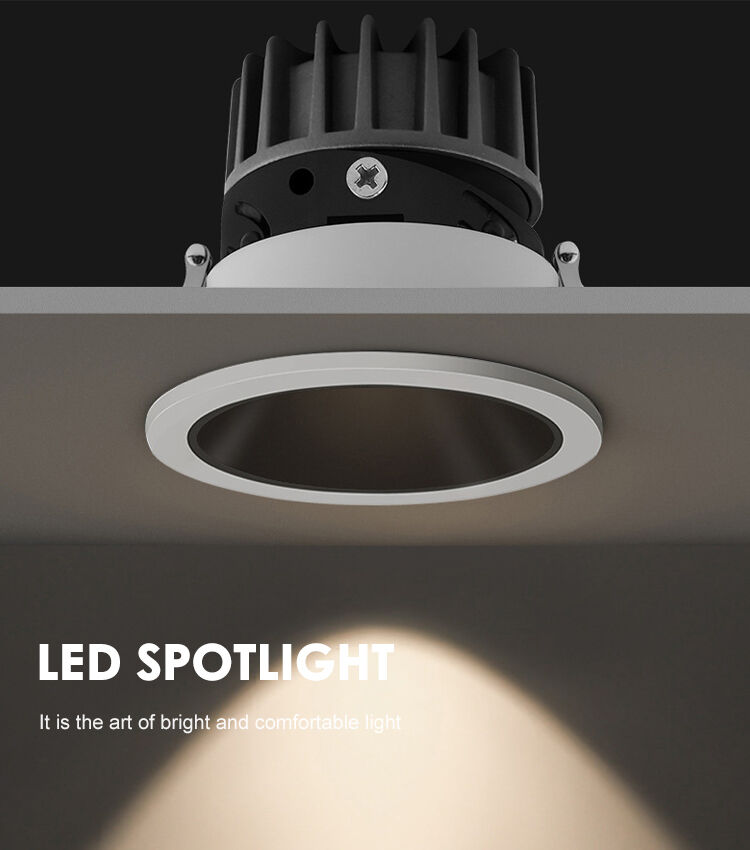
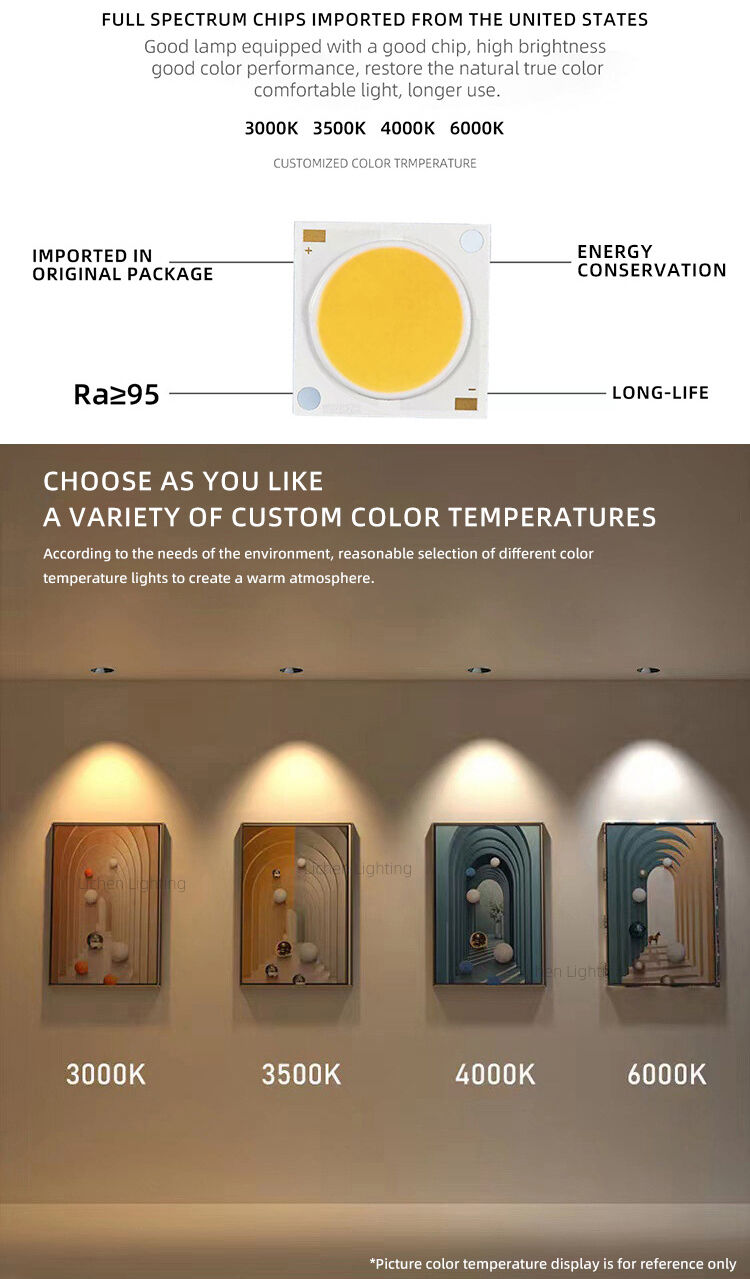
Choosing the right color temperature for LED downlights significantly impacts the ambiance and functionality of any space, whether in residential homes or hospitality venues. Color temperature, measured in Kelvin (K), determines whether your lighting appears warm, neutral, or cool, directly influencing how occupants perceive and interact with their environment. Understanding this crucial aspect of lighting design helps create spaces that are both visually appealing and functionally appropriate for their intended use.The psychological and physiological effects of different color temperatures cannot be understated in modern lighting applications. Warm light promotes relaxation and comfort, making it ideal for intimate settings, while cooler temperatures enhance alertness and productivity. Professional lighting designers carefully consider these factors when specifying LED downlights for various applications, ensuring that the chosen color temperature aligns with the space's primary function and desired atmosphere.
Understanding Color Temperature Fundamentals
The Kelvin Scale and Its Applications
Color temperature measurement uses the Kelvin scale, ranging from warm amber tones around 2200K to crisp daylight colors exceeding 6500K. Lower Kelvin values produce warmer, more yellow-orange light reminiscent of candlelight or incandescent bulbs. Higher Kelvin values create cooler, blue-white light similar to overcast daylight or fluorescent lighting. This scientific measurement system provides consistency across different LED downlight manufacturers and helps designers make informed decisions.
Most residential and hospitality applications utilize color temperatures between 2700K and 4000K, as these ranges provide comfortable illumination without being too harsh or too dim. The human eye naturally adapts to different color temperatures throughout the day, with warmer tones preferred during evening hours and cooler tones more suitable for daytime activities. Understanding these preferences helps create lighting schemes that feel natural and comfortable for occupants.
Visual Perception and Color Rendering
Color temperature directly affects how we perceive colors, textures, and spatial relationships within illuminated environments. Warm LED downlights enhance reds, oranges, and yellows while potentially washing out blues and purples. Conversely, cool color temperatures make blues and whites appear more vibrant while potentially making warm colors appear dull or muddy. This phenomenon significantly impacts interior design choices and artwork presentation in both residential and commercial settings.
High-quality LED downlights maintain excellent color rendering across different color temperatures, ensuring that objects appear natural and true to their actual colors. The Color Rendering Index (CRI) works in conjunction with color temperature to determine overall lighting quality. Professional installations typically specify LED downlights with CRI values above 90 to ensure accurate color reproduction regardless of the chosen color temperature.
Residential Applications and Preferences
Living Spaces and Entertainment Areas
Residential living rooms, family rooms, and entertainment areas benefit most from warm color temperatures between 2700K and 3000K. These warmer tones create inviting, cozy atmospheres that encourage relaxation and social interaction. LED downlights in these color temperatures complement wood finishes, warm fabrics, and earth-tone color schemes commonly found in residential interiors. The gentle illumination reduces eye strain during evening activities like watching television or reading.
Dining areas particularly benefit from warm LED downlights, as the color temperature enhances food presentation and creates intimate dining experiences. Many homeowners install dimming controls with their LED downlights to adjust brightness levels throughout the day while maintaining consistent color temperature. This flexibility allows the same fixtures to provide bright task lighting during meal preparation and soft ambient lighting during dinner service.
Bedrooms and Private Spaces
Bedroom lighting requires careful consideration of color temperature to support natural circadian rhythms and promote restful sleep. Warm LED downlights between 2200K and 2700K create the most conducive environment for relaxation and sleep preparation. These ultra-warm tones minimize blue light exposure, which can interfere with melatonin production and disrupt sleep patterns.
Master bedrooms often incorporate multiple lighting layers with different color temperatures to serve various functions throughout the day. Morning routines may benefit from slightly cooler LED downlights around 3000K to promote alertness, while evening preparations require warmer tones. Smart LED downlight systems can automatically adjust color temperature based on time of day, creating optimal lighting conditions without manual intervention.
Hospitality Industry Standards
Hotel Lobbies and Reception Areas
Hotel lobbies require sophisticated lighting design that balances welcoming warmth with professional presentation. Most successful hospitality projects utilize LED downlights with color temperatures between 2700K and 3500K, creating inviting first impressions while maintaining adequate visibility for check-in procedures and wayfinding. The chosen color temperature must complement architectural features, artwork, and furniture finishes to create cohesive design narratives.
Large hotel lobbies often employ zoned lighting strategies with varying color temperatures to define different functional areas. Seating areas may feature warmer LED downlights to encourage relaxation, while reception desks utilize slightly cooler temperatures to ensure clear visibility for paperwork and computer screens. This strategic approach creates visual interest while maintaining practical functionality across diverse lobby zones.
Restaurant and Bar Environments
Restaurant lighting design heavily relies on appropriate color temperature selection to enhance dining experiences and food presentation. Fine dining establishments typically specify warm LED downlights between 2200K and 2700K to create intimate, romantic atmospheres that encourage longer stays and higher spending. These warm tones flatter skin tones, enhance food colors, and create the cozy ambiance that diners associate with quality dining experiences.
Bar and lounge areas often utilize even warmer color temperatures, sometimes incorporating amber or ultra-warm LED downlights below 2200K to create sophisticated, evening-appropriate environments. The psychological effects of warm lighting encourage relaxation and social interaction, key factors in successful hospitality venues. Proper color temperature selection can significantly impact customer satisfaction and repeat business in competitive hospitality markets.
Technical Considerations and Installation
Fixture Selection and Compatibility
Modern LED downlights offer various color temperature options, from fixed-temperature models to tunable systems that adjust throughout programmable cycles. Fixed-temperature LED downlights provide consistent, reliable performance at lower initial costs, making them suitable for most residential and basic hospitality applications. Tunable systems offer greater flexibility but require more sophisticated control systems and higher upfront investments.
Compatibility between LED downlights, dimming controls, and building management systems requires careful planning during the design phase. Not all LED downlights maintain consistent color temperature across dimming ranges, potentially creating unwanted color shifts during operation. Specifying high-quality LED downlights with stable color temperature performance ensures consistent lighting quality regardless of dimming levels or operational conditions.
Energy Efficiency and Maintenance
LED downlights maintain excellent energy efficiency across all color temperature ranges, though slight variations exist between warm and cool options. Warmer color temperatures typically require additional phosphor coatings, which can marginally reduce luminous efficacy compared to cooler alternatives. However, these efficiency differences are minimal in practical applications and should not significantly influence color temperature selection decisions.
Long-term color stability represents a crucial consideration for professional installations, as LED downlights may shift color temperature over their operational lifespan. High-quality fixtures maintain color consistency for 50,000 hours or more, while lower-grade products may exhibit noticeable shifts within a few years. Specifying reputable manufacturers with proven track records ensures consistent lighting performance throughout the expected fixture lifespan.
Design Integration and Aesthetic Considerations
Architectural Harmony and Material Coordination
Successful lighting design requires harmonious integration between LED downlight color temperature and existing architectural materials. Warm color temperatures enhance natural wood finishes, bronze fixtures, and earth-tone materials commonly found in traditional and transitional designs. Cool color temperatures complement modern materials like stainless steel, chrome, and contemporary glass applications, creating cohesive aesthetic statements.
Interior designers increasingly specify LED downlights with adjustable color temperatures to accommodate changing design trends and seasonal decorating preferences. This flexibility allows spaces to adapt to different uses and aesthetic preferences without requiring complete fixture replacement. The investment in tunable LED downlights often proves worthwhile in high-end residential and hospitality applications where design flexibility provides long-term value.
Layered Lighting Strategies
Effective lighting design combines LED downlights with other fixture types to create comprehensive illumination strategies serving multiple functions. Accent lighting, task lighting, and ambient lighting may utilize different color temperatures to optimize their specific purposes while maintaining overall design coherence. This layered approach allows designers to fine-tune lighting conditions for various activities and times of day.
Color temperature coordination across different fixture types prevents jarring contrasts that can make spaces feel uncomfortable or poorly designed. When combining LED downlights with decorative fixtures, table lamps, or under-cabinet lighting, maintaining consistent or complementary color temperatures creates seamless lighting transitions. Professional lighting designers often specify narrow color temperature ranges to ensure visual harmony across all lighting elements.
FAQ
What color temperature is best for residential LED downlights?
Most residential applications perform best with LED downlights in the 2700K to 3000K range, which provides warm, comfortable illumination suitable for relaxation and daily activities. Living areas, bedrooms, and dining rooms particularly benefit from these warmer color temperatures, while kitchens and bathrooms may accommodate slightly cooler temperatures around 3000K to 3500K for better task visibility.
How does color temperature affect energy consumption in LED downlights?
Color temperature has minimal impact on LED downlight energy consumption, with efficiency differences typically less than 5% between warm and cool options. The slight variations result from different phosphor coatings required to achieve various color temperatures, but these differences are negligible compared to the substantial energy savings LED downlights provide over traditional lighting technologies.
Can LED downlight color temperature be changed after installation?
Fixed color temperature LED downlights cannot be adjusted after installation, requiring fixture replacement to change color temperature. However, tunable LED downlights with appropriate control systems allow color temperature adjustment within their specified ranges. Some models offer preset options like warm, neutral, and cool settings, while advanced systems provide continuous adjustment across the full color temperature spectrum.
What color temperature works best for hotel and restaurant LED downlights?
Hospitality venues typically specify LED downlights between 2200K and 3000K to create welcoming, comfortable environments that encourage guest satisfaction and longer stays. Fine dining restaurants often prefer warmer temperatures around 2400K to 2700K for intimate atmospheres, while hotel lobbies may use slightly cooler temperatures around 2700K to 3000K to balance warmth with professional presentation and adequate visibility for operational needs.