EN
EN


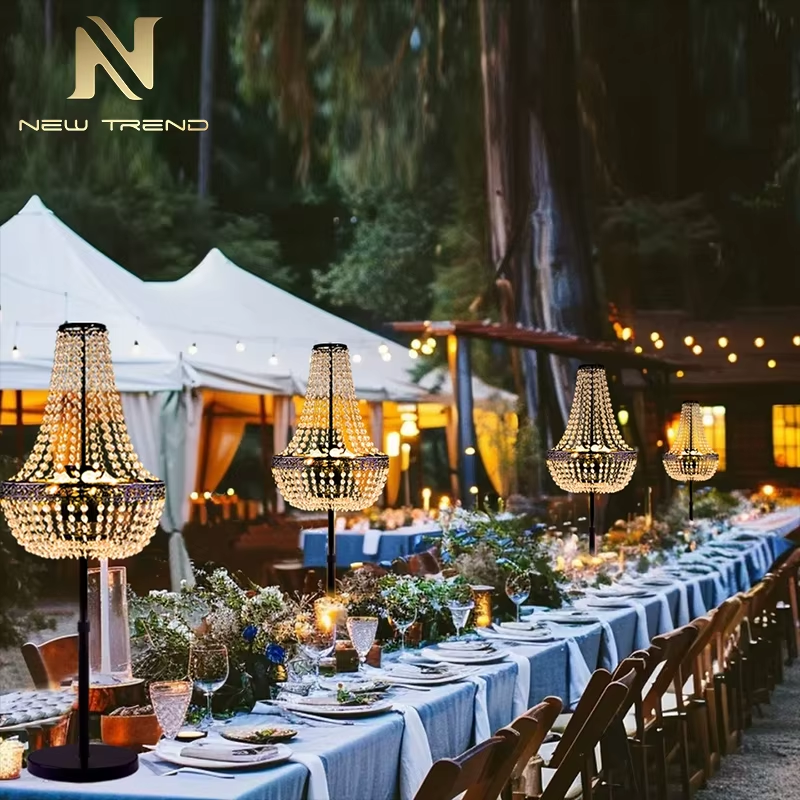
The modern lighting industry demands a sophisticated approach to sourcing floor lamp and table lamp collections that meet both aesthetic and functional requirements. Professional buyers and interior designers face increasing pressure to identify suppliers who can deliver innovative designs while maintaining operational excellence. The floor lamp market has evolved significantly, with manufacturers now offering comprehensive collections that blend contemporary styling with energy-efficient technologies. This transformation requires buyers to develop new strategies for evaluating potential suppliers and their product offerings.
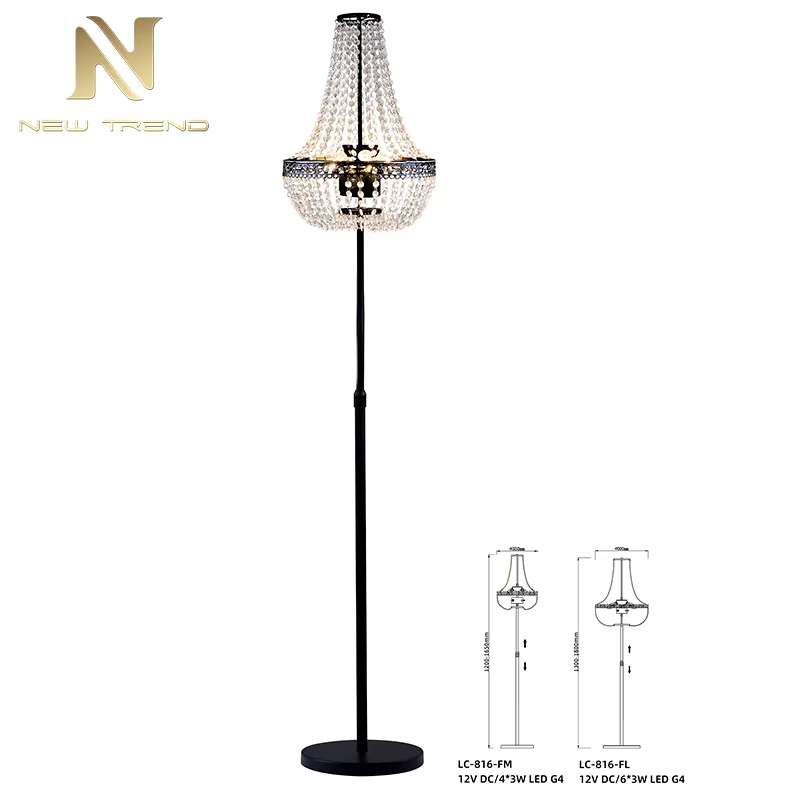
Successful sourcing strategies recognize that today's consumers expect more than basic illumination from their lighting fixtures. A quality floor lamp must serve as both a functional light source and a design statement that complements existing decor themes. Professional buyers understand that effective sourcing involves evaluating manufacturers based on their ability to produce collections that address diverse market segments while maintaining consistent quality standards.
The complexity of modern lighting procurement extends beyond simple product selection to encompass supply chain reliability, customization capabilities, and long-term partnership potential. Industry professionals recognize that sustainable business growth depends on establishing relationships with suppliers who demonstrate consistent innovation and manufacturing excellence. This comprehensive approach to sourcing ensures that floor lamp and table lamp collections meet evolving market demands while supporting profitable business operations.
Market Analysis and Trend Identification
Contemporary Design Movements
Current market trends reveal a strong preference for floor lamp designs that incorporate natural materials and sustainable manufacturing processes. Consumers increasingly seek lighting fixtures that reflect environmental consciousness while delivering superior aesthetic appeal. Modern floor lamp collections feature elements such as bamboo stems, recycled metal components, and energy-efficient LED technology that reduces environmental impact.
The integration of smart technology represents another significant trend affecting floor lamp sourcing decisions. Manufacturers now offer collections that include app-controlled dimming, color temperature adjustment, and automated scheduling features. These technological enhancements require suppliers to demonstrate expertise in electronics integration while maintaining traditional craftsmanship standards. Professional buyers must evaluate potential partners based on their ability to incorporate these advanced features without compromising design integrity.
Regional Market Preferences
Geographic variations in floor lamp preferences require suppliers to maintain diverse product portfolios that address regional aesthetic sensibilities. European markets typically favor minimalist designs with clean lines and neutral color palettes, while North American consumers show greater acceptance of bold geometric forms and statement pieces. Asian markets demonstrate particular interest in floor lamp designs that incorporate traditional cultural elements with contemporary functionality.
Understanding these regional preferences enables buyers to select suppliers who can provide appropriate product mix variations for different market segments. Successful floor lamp collections often include modular design elements that allow for regional customization without requiring complete product redesign. This flexibility becomes particularly important for buyers serving multiple geographic markets through their distribution networks.
Supplier Evaluation Criteria
Manufacturing Capabilities Assessment
Evaluating potential suppliers requires comprehensive analysis of their manufacturing capabilities, quality control processes, and production capacity. Modern floor lamp production involves multiple specialized processes including metalworking, electrical assembly, shade fabrication, and finishing operations. Suppliers must demonstrate expertise across all these areas to produce collections that meet professional standards.
Quality floor lamp manufacturers typically maintain ISO certification and implement rigorous testing protocols for electrical safety, structural integrity, and finish durability. Professional buyers should verify that potential suppliers conduct appropriate testing procedures and maintain detailed documentation of quality control measures. This verification process helps ensure that sourced products will meet regulatory requirements in target markets while maintaining consistent performance standards.
Design Innovation and Customization
The ability to provide customization options represents a critical differentiator among floor lamp suppliers. Leading manufacturers offer services such as custom shade fabrication, alternative finish options, and modified electrical specifications to meet specific buyer requirements. These capabilities enable buyers to develop exclusive product lines that differentiate their offerings in competitive markets.
Innovation capacity extends beyond simple customization to include new product development capabilities and design trend adaptation. Suppliers who maintain in-house design teams and invest in research and development activities typically offer more competitive floor lamp collections that anticipate market changes. Professional buyers benefit from partnering with suppliers who demonstrate consistent innovation and proactive market response capabilities.
Quality Standards and Compliance
Electrical Safety Regulations
Floor lamp sourcing requires careful attention to electrical safety standards and regulatory compliance requirements. Different markets maintain specific certification requirements such as UL listing in North America, CE marking in Europe, and various national standards in other regions. Suppliers must demonstrate capability to produce products that meet all relevant safety standards for target markets.
Professional buyers should verify that potential suppliers maintain appropriate testing facilities or partnerships with certified laboratories. This verification ensures that floor lamp products undergo proper safety evaluation before market introduction. Suppliers who invest in comprehensive testing capabilities typically offer more reliable products and reduced liability exposure for buyers.
Material Quality and Durability
Material selection significantly impacts both aesthetic appeal and long-term performance of floor lamp collections. Quality suppliers source materials from reputable vendors and maintain detailed specifications for all components including metal alloys, fabric selections, and electrical components. This attention to material quality ensures that finished products maintain their appearance and functionality over extended use periods.
Durability testing protocols help identify potential issues before products reach consumers. Leading floor lamp manufacturers conduct accelerated aging tests, mechanical stress evaluations, and environmental exposure assessments to verify product longevity. Professional buyers should request documentation of these testing procedures and results to make informed sourcing decisions.
Supply Chain Management
Production Planning and Capacity
Effective floor lamp sourcing requires suppliers who maintain adequate production capacity and flexible scheduling capabilities. Seasonal demand variations and promotional requirements create challenges that suppliers must address through careful production planning and inventory management. Professional buyers benefit from partnering with suppliers who demonstrate reliable delivery performance and capacity scalability.
Production lead times for floor lamp collections typically range from six to twelve weeks depending on design complexity and customization requirements. Suppliers who maintain efficient production processes and appropriate component inventory levels offer more competitive lead times and improved order flexibility. These capabilities become particularly important during peak selling seasons when delivery timing directly impacts sales performance.
Logistics and Distribution
Transportation considerations play a significant role in floor lamp sourcing decisions due to the size and fragility of many lighting products. Suppliers who offer comprehensive packaging solutions and established shipping partnerships provide added value through reduced damage rates and optimized freight costs. Professional buyers should evaluate supplier capabilities in these areas to minimize total cost of ownership.
International sourcing introduces additional complexity through customs requirements, documentation needs, and regulatory compliance issues. Experienced suppliers typically offer support services that streamline these processes and reduce buyer administrative burden. This support becomes particularly valuable for buyers who lack extensive international trade experience or dedicated logistics resources.
Cost Analysis and Pricing Strategies
Total Cost of Ownership
Professional floor lamp sourcing requires analysis beyond simple unit pricing to encompass total cost of ownership considerations. These factors include freight costs, customs duties, quality control expenses, and potential warranty claims. Suppliers who offer transparent pricing structures and detailed cost breakdowns enable buyers to make more informed decisions based on comprehensive financial analysis.
Volume pricing tiers and minimum order requirements significantly impact overall procurement costs and inventory investment requirements. Buyers must balance the cost advantages of larger orders against inventory carrying costs and market demand uncertainty. Suppliers who offer flexible order quantities and progressive pricing structures provide greater operational flexibility for buyers managing diverse product portfolios.
Value Engineering Opportunities
Collaborative relationships with floor lamp suppliers often reveal opportunities for value engineering that reduces costs without compromising quality or aesthetic appeal. These opportunities might include material substitutions, manufacturing process improvements, or design modifications that enhance production efficiency. Professional buyers who engage suppliers in value engineering discussions often achieve better long-term cost performance.
Design standardization across floor lamp collections can provide significant cost advantages through increased production volumes and reduced tooling requirements. Suppliers who understand these principles and can recommend appropriate standardization strategies offer added value beyond basic manufacturing services. This collaboration approach helps buyers optimize their product portfolios for both market appeal and operational efficiency.
Technology Integration and Smart Features
Smart Home Compatibility
Modern floor lamp collections increasingly incorporate smart home integration capabilities that enhance user convenience and energy efficiency. These features require suppliers to maintain expertise in wireless connectivity protocols, mobile app development, and system integration testing. Professional buyers must evaluate supplier capabilities in these technical areas to meet evolving consumer expectations.
Compatibility with popular smart home platforms such as Amazon Alexa, Google Assistant, and Apple HomeKit represents a key differentiator in today's market. Floor lamp suppliers who offer products with multiple platform compatibility provide buyers with broader market appeal and reduced customer support complexity. This technical capability requires ongoing investment in software development and testing resources.
Energy Efficiency and LED Technology
LED technology integration has become standard for quality floor lamp collections due to energy efficiency benefits and extended service life. Suppliers must demonstrate expertise in LED driver design, thermal management, and color quality optimization to produce competitive products. Professional buyers should verify that potential suppliers use high-quality LED components and appropriate thermal design practices.
Advanced LED features such as tunable color temperature and circadian rhythm support require sophisticated electronic control systems and specialized components. Floor lamp manufacturers who offer these capabilities typically maintain stronger technical teams and more comprehensive testing facilities. These advanced features command premium pricing but appeal to consumers seeking enhanced lighting control and wellness benefits.
Sustainability and Environmental Considerations
Sustainable Manufacturing Practices
Environmental consciousness increasingly influences floor lamp sourcing decisions as buyers respond to consumer demand for sustainable products. Suppliers who implement environmentally responsible manufacturing practices offer added value through reduced environmental impact and enhanced brand positioning. These practices include renewable energy use, waste reduction programs, and sustainable material sourcing.
Certification programs such as GREENGUARD and ENERGY STAR provide third-party verification of environmental performance and energy efficiency. Floor lamp suppliers who participate in these programs demonstrate commitment to sustainability and provide buyers with marketing advantages. Professional buyers should prioritize suppliers who maintain relevant environmental certifications and transparent reporting practices.
End-of-Life Considerations
Product lifecycle management extends beyond manufacturing to include end-of-life disposal and recycling considerations. Floor lamp designs that facilitate component separation and material recovery provide environmental benefits and may appeal to environmentally conscious consumers. Suppliers who consider these factors during design development offer more sustainable product solutions.
Take-back programs and recycling support services represent emerging areas where floor lamp suppliers can differentiate their offerings. These services help buyers meet corporate sustainability goals and respond to increasing regulatory requirements for product stewardship. Suppliers who offer comprehensive lifecycle support provide added value and competitive advantages for environmentally conscious buyers.
FAQ
What are the key factors to consider when evaluating floor lamp suppliers for quality and reliability
Quality floor lamp suppliers should demonstrate comprehensive manufacturing capabilities including metalworking expertise, electrical safety compliance, and rigorous quality control processes. Reliability indicators include ISO certification, established testing protocols, and documented performance history with similar buyers. Additionally, suppliers should maintain adequate production capacity, flexible scheduling capabilities, and proven logistics support to ensure consistent delivery performance.
How do regional market preferences impact floor lamp sourcing strategies
Regional preferences significantly influence floor lamp design requirements, with European markets favoring minimalist aesthetics, North American consumers accepting bold geometric forms, and Asian markets preferring traditional elements with contemporary functionality. Successful sourcing strategies require suppliers who can provide appropriate product mix variations and customization options to address these regional differences while maintaining cost efficiency and quality standards.
What role does technology integration play in modern floor lamp collections
Technology integration has become essential for competitive floor lamp collections, including smart home compatibility, app-controlled features, and advanced LED capabilities such as tunable color temperature. Suppliers must maintain expertise in wireless connectivity protocols, mobile app development, and electronic system integration to meet evolving consumer expectations. These technological capabilities require ongoing investment in research and development resources.
How can buyers optimize total cost of ownership when sourcing floor lamp collections
Total cost optimization requires analysis beyond unit pricing to include freight costs, customs duties, quality control expenses, and potential warranty claims. Buyers should seek suppliers offering transparent pricing structures, flexible order quantities, and value engineering opportunities. Additionally, collaborative relationships often reveal cost reduction possibilities through material optimization, design standardization, and manufacturing process improvements without compromising quality or market appeal.
Table of Contents
- Market Analysis and Trend Identification
- Supplier Evaluation Criteria
- Quality Standards and Compliance
- Supply Chain Management
- Cost Analysis and Pricing Strategies
- Technology Integration and Smart Features
- Sustainability and Environmental Considerations
-
FAQ
- What are the key factors to consider when evaluating floor lamp suppliers for quality and reliability
- How do regional market preferences impact floor lamp sourcing strategies
- What role does technology integration play in modern floor lamp collections
- How can buyers optimize total cost of ownership when sourcing floor lamp collections