EN
EN


Commercial lighting design requires precise planning to achieve optimal functionality, energy efficiency, and visual appeal. Among the various lighting solutions available, directional spotlights have emerged as versatile fixtures that provide focused illumination for specific areas, objects, or architectural features. The beam angle of these fixtures plays a crucial role in determining their effectiveness, making it essential for facility managers, architects, and lighting designers to understand how different angles impact commercial environments.
The selection of appropriate beam angles directly influences light distribution patterns, energy consumption, and overall ambiance within commercial spaces. Whether illuminating retail displays, office workstations, or hospitality venues, understanding the relationship between beam angles and spatial requirements enables professionals to create lighting schemes that enhance both functionality and aesthetics. This comprehensive analysis explores the optimal beam angle selections for various commercial applications, providing insights that support informed decision-making in professional lighting projects.
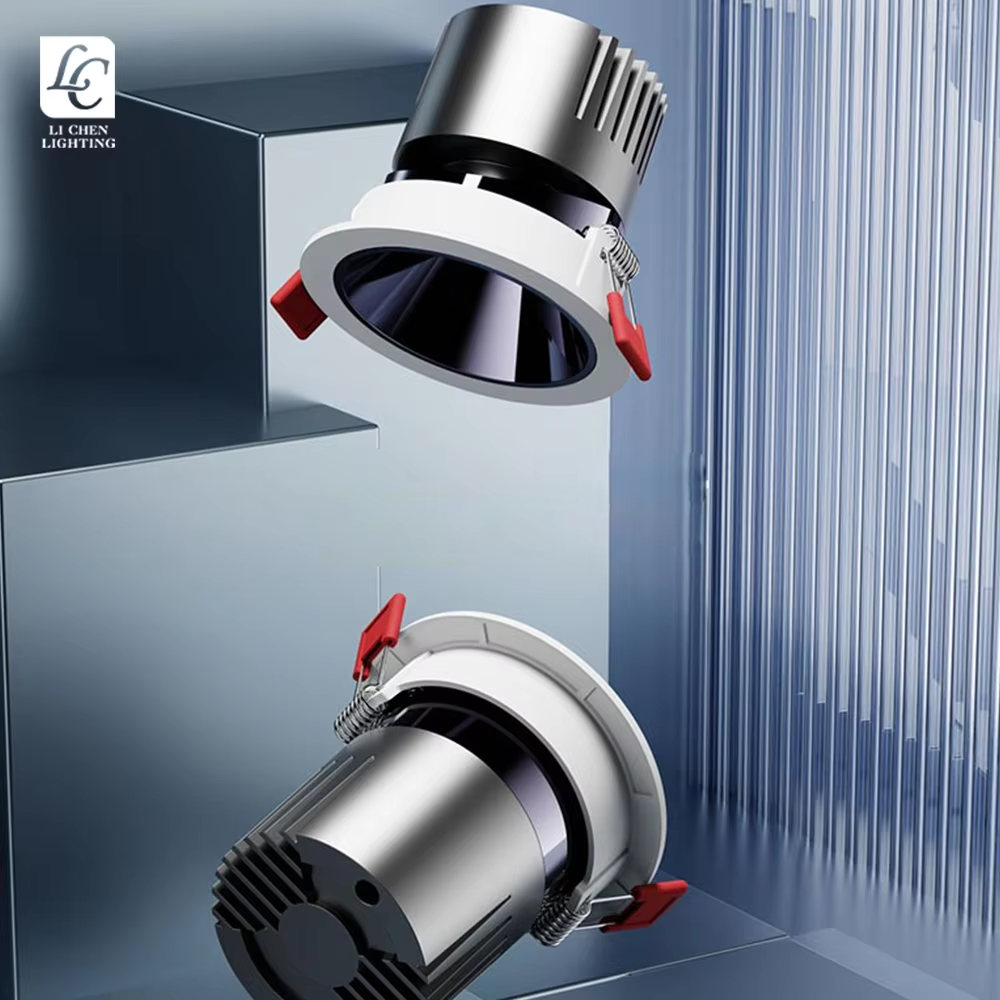
Understanding Beam Angles in Commercial Lighting
Fundamental Principles of Beam Angle Measurement
Beam angle refers to the angular measurement of light distribution from a luminaire, typically measured at the points where light intensity drops to 50% of the peak candela value. This measurement, expressed in degrees, determines how concentrated or dispersed the light output becomes when projected onto surfaces. In commercial applications, beam angles typically range from narrow 10-degree spots to wide 60-degree floods, with each serving distinct purposes based on spatial requirements and lighting objectives.
The physics behind beam angle control involves optical components such as reflectors, lenses, and housing designs that shape and direct light output. Narrow beam angles create intense, focused illumination suitable for accent lighting and highlighting specific objects or areas. Conversely, wider beam angles provide more diffused light distribution, making them ideal for general area illumination and creating ambient lighting conditions in commercial environments.
Classification Systems for Commercial Beam Angles
Industry standards classify beam angles into distinct categories that help lighting professionals select appropriate fixtures for specific applications. Spot beam angles, ranging from 10 to 30 degrees, deliver highly concentrated light suitable for precise accent lighting and dramatic highlighting effects. Medium beam angles, spanning 30 to 50 degrees, offer balanced light distribution that works well for general task lighting and moderate area coverage in commercial settings.
Wide beam angles, extending from 50 to 90 degrees or more, provide extensive light coverage ideal for general illumination and ambient lighting requirements. Understanding these classifications enables professionals to match beam angle characteristics with specific commercial lighting needs, ensuring optimal performance and energy efficiency. The selection process involves analyzing ceiling heights, fixture mounting positions, target area dimensions, and desired lighting effects to determine the most suitable beam angle configuration.
Optimal Beam Angles for Different Commercial Applications
Retail and Commercial Display Lighting
Retail environments require directional spotlights with carefully selected beam angles to enhance merchandise presentation and create compelling shopping experiences. Narrow beam angles between 15 to 25 degrees excel at highlighting individual products, jewelry displays, and featured merchandise by creating dramatic contrast and drawing customer attention to specific items. These focused beams eliminate unwanted spillage onto adjacent areas while maintaining high light intensity on target surfaces.
Medium beam angles ranging from 30 to 40 degrees work effectively for illuminating larger display areas, clothing racks, and merchandise groupings where broader coverage is necessary. This range provides sufficient light distribution to showcase multiple items while maintaining adequate intensity levels for effective visual merchandising. The balanced coverage prevents harsh shadows while ensuring products remain prominently illuminated throughout the retail space.
Office and Workspace Illumination
Modern office environments benefit from directional spotlights with beam angles tailored to specific workspace requirements and task-oriented lighting needs. Workstation lighting typically employs beam angles between 25 to 45 degrees to provide focused illumination on desk surfaces, documents, and computer screens without creating excessive glare or light pollution in adjacent areas. This range supports visual comfort and productivity while maintaining energy efficiency through targeted light delivery.
Conference rooms and presentation areas often require adjustable beam angle solutions that can accommodate different activities and spatial configurations. Medium to wide beam angles, spanning 40 to 60 degrees, provide flexible lighting options for meetings, presentations, and collaborative work sessions. The broader distribution ensures adequate illumination across conference tables while maintaining uniform light levels for video conferencing and document review activities.
Technical Considerations for Beam Angle Selection
Ceiling Height and Mounting Distance Factors
The relationship between ceiling height, mounting distance, and beam angle selection significantly impacts light distribution effectiveness in commercial spaces. Higher ceilings require narrower beam angles to maintain adequate light intensity at working surfaces, as the inverse square law dictates that light intensity decreases proportionally with distance. Fixtures mounted at greater heights benefit from beam angles between 15 to 30 degrees to concentrate light energy and overcome the natural dispersion that occurs over extended distances.
Lower ceiling installations allow for wider beam angles since the reduced mounting distance maintains higher light intensity levels even with broader distribution patterns. Commercial spaces with ceiling heights between 8 to 12 feet can effectively utilize beam angles ranging from 35 to 50 degrees while still achieving appropriate illumination levels. The shorter light travel distance enables wider coverage without sacrificing light intensity or energy efficiency in these applications.
Light Level Requirements and Energy Efficiency
Commercial lighting standards specify minimum illumination levels for different types of spaces and activities, influencing beam angle selection to meet these requirements efficiently. Task-oriented areas such as offices, retail checkout counters, and workstations typically require higher light levels that are best achieved through focused beam angles that concentrate light energy where needed most. Narrow to medium beam angles maximize light utilization while minimizing wasted illumination in non-critical areas.
Energy efficiency considerations favor beam angle selections that optimize light delivery to target areas while minimizing light pollution and spillage. Properly matched beam angles reduce the total number of fixtures required to achieve desired illumination levels, resulting in lower installation costs, reduced energy consumption, and simplified maintenance requirements. This approach aligns with sustainable building practices and energy conservation initiatives commonly implemented in commercial facilities.
Installation and Design Best Practices
Spacing and Layout Optimization
Effective installation of directional spotlights requires careful consideration of fixture spacing, aiming angles, and beam overlap to ensure uniform illumination throughout commercial spaces. The beam angle directly influences spacing calculations, with narrower beams requiring closer fixture spacing to eliminate dark spots and maintain consistent light levels. Industry guidelines recommend spacing ratios based on mounting height and beam angle characteristics to achieve optimal light distribution patterns.
Layout optimization involves analyzing the geometric relationship between fixture positions, target surfaces, and architectural elements to minimize shadows and glare while maximizing lighting effectiveness. Computer modeling and photometric calculations help determine optimal spacing intervals and aiming angles for specific beam angle configurations. This systematic approach ensures comprehensive coverage while avoiding over-illumination and energy waste in commercial installations.
Glare Control and Visual Comfort
Beam angle selection plays a critical role in managing glare and maintaining visual comfort in commercial environments where occupants spend extended periods. Narrow beam angles can create harsh contrast and uncomfortable glare conditions if not properly aimed and controlled through appropriate shielding or diffusion techniques. Careful consideration of viewing angles and fixture positioning helps minimize direct glare while maintaining effective illumination of target areas.
Visual comfort strategies involve combining different beam angles to create layered lighting schemes that provide both task illumination and ambient lighting conditions. This approach reduces contrast ratios between illuminated and non-illuminated areas, creating more comfortable visual environments for occupants. The integration of wider beam angle fixtures for general illumination with narrow beam directional spotlights for accent lighting achieves balanced lighting conditions that support both functionality and comfort.
Technology Integration and Smart Controls
Adjustable Beam Angle Systems
Advanced directional spotlight technologies now incorporate adjustable beam angle capabilities that provide flexibility for changing commercial space requirements. These systems utilize motorized optics, zoom mechanisms, or interchangeable lens arrays to modify beam angles remotely or through automated control systems. This adaptability proves valuable in retail environments where display layouts change frequently or in multipurpose commercial spaces that serve different functions throughout the day.
Smart control integration enables dynamic beam angle adjustments based on occupancy patterns, daylight availability, or specific activity requirements. These intelligent systems can automatically optimize beam angles to maintain desired illumination levels while minimizing energy consumption and adapting to changing commercial space needs. The technology supports sustainable operation practices while providing enhanced flexibility for facility managers and lighting designers.
LED Technology and Beam Angle Performance
Light-emitting diode technology has revolutionized beam angle control in directional spotlights, offering improved efficiency, longer lifespan, and enhanced optical control compared to traditional lighting sources. LED fixtures can achieve precise beam angle specifications while maintaining consistent color temperature and light quality throughout their operational life. The compact size of LED light sources enables more sophisticated optical designs that deliver superior beam control and light distribution characteristics.
Modern LED directional spotlights incorporate advanced thermal management and optical engineering to maintain beam angle stability over extended operating periods. These improvements ensure consistent lighting performance in commercial applications where reliability and maintenance efficiency are critical considerations. The technology supports both fixed and adjustable beam angle configurations, providing options suitable for diverse commercial lighting requirements and installation preferences.
FAQ
What beam angle should I choose for highlighting artwork in a commercial gallery?
For artwork highlighting in commercial galleries, narrow beam angles between 15 to 25 degrees work best. These focused beams create dramatic lighting effects that draw attention to individual pieces while minimizing light spillage onto walls and adjacent artworks. The concentrated illumination enhances color saturation and texture visibility while maintaining appropriate contrast ratios for optimal viewing conditions.
How do ceiling heights affect beam angle selection for directional spotlights?
Higher ceilings require narrower beam angles to maintain adequate light intensity at target surfaces due to the increased distance between fixtures and illuminated areas. For ceilings above 12 feet, beam angles between 15 to 30 degrees are typically recommended to concentrate light energy effectively. Lower ceilings allow wider beam angles since the reduced mounting distance maintains higher light levels even with broader distribution patterns.
Can beam angles be adjusted after installation in commercial lighting systems?
Many modern directional spotlight systems offer adjustable beam angle capabilities through motorized optics, zoom mechanisms, or interchangeable lens systems. These features allow facility managers to modify beam angles after installation to accommodate changing space requirements or optimize lighting performance. However, fixed beam angle fixtures require physical lens or reflector changes to alter their light distribution characteristics.
What beam angle works best for retail clothing displays?
Retail clothing displays benefit from medium beam angles between 30 to 45 degrees, which provide sufficient coverage for merchandise groupings while maintaining adequate light intensity for effective product presentation. This range illuminates multiple garments simultaneously while creating attractive visual merchandising effects. Individual featured items may require narrower beam angles for accent lighting to create focal points within the retail environment.