EN
EN


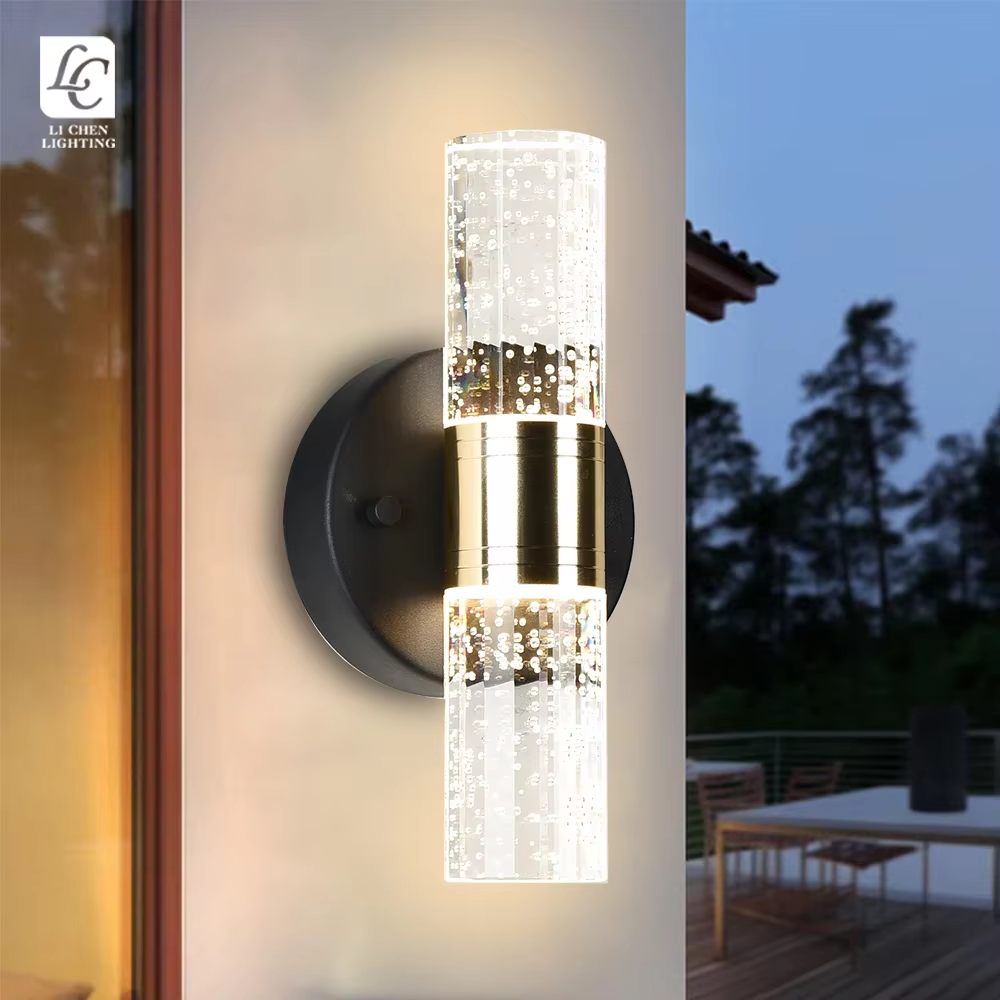
Creating a harmonious lighting design for hotels requires careful coordination between various fixture types, particularly when managing bulk orders that must maintain consistency across multiple rooms and spaces. The strategic pairing of wall lamp with ceiling fixtures represents one of the most critical design decisions that hotel procurement managers and interior designers face. This coordination directly impacts guest satisfaction, energy efficiency, and overall aesthetic appeal while ensuring that lighting installations meet both functional requirements and brand standards.
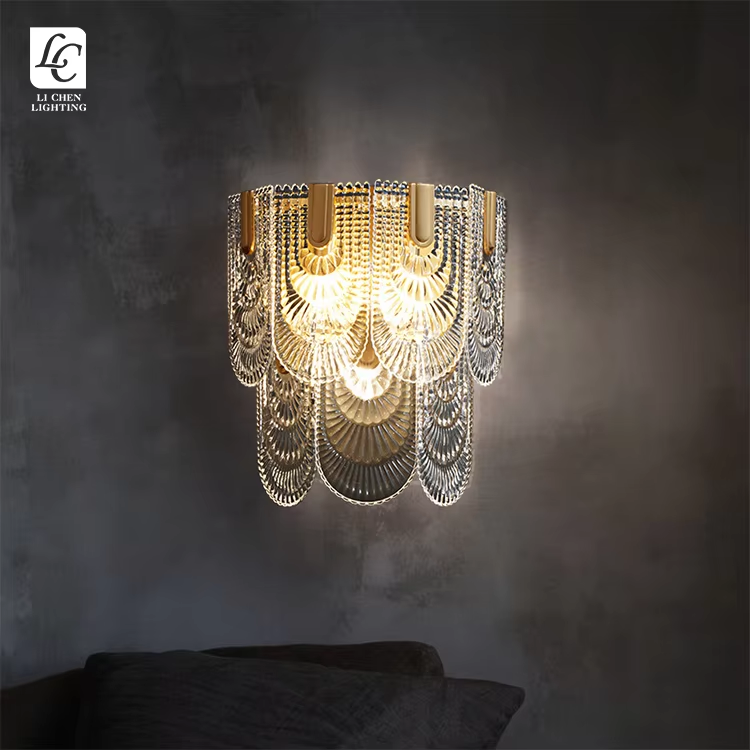
Professional lighting coordination becomes even more complex when dealing with bulk hotel orders, where consistency across hundreds or thousands of units is essential. The relationship between wall-mounted lighting and overhead fixtures must be carefully planned to create layered illumination that serves multiple purposes throughout different times of day. This comprehensive approach to lighting design ensures that each space feels welcoming while maintaining operational efficiency and meeting the diverse needs of hotel guests.
Understanding the Fundamentals of Hotel Lighting Coordination
Essential Design Principles for Multi-Fixture Systems
The foundation of successful lighting coordination lies in understanding how different fixture types complement each other within hospitality environments. Wall-mounted fixtures provide ambient and task lighting that creates intimate spaces and reduces harsh shadows, while ceiling installations offer general illumination that ensures adequate light levels throughout larger areas. The key to effective coordination involves balancing these lighting layers to create depth and visual interest without overwhelming guests or creating conflicting light patterns.
Color temperature consistency represents another crucial element in coordinating wall lamp with ceiling fixtures for hotel applications. Maintaining uniform color temperatures across all fixtures ensures that the lighting feels cohesive and professional, avoiding the jarring effect that occurs when warm and cool light sources compete within the same space. This consistency becomes particularly important in guest rooms where comfort and relaxation are paramount to the guest experience.
Scale and Proportion Considerations
Proper scaling ensures that wall and ceiling fixtures complement rather than compete with each other visually. The size relationship between these fixture types should reflect the room's dimensions and intended use, with larger ceiling installations balanced by appropriately sized wall sconces or accent lights. This proportional relationship creates visual harmony while ensuring that each fixture type can fulfill its intended lighting function without interference.
The positioning of fixtures also plays a critical role in achieving successful coordination. Wall-mounted fixtures should be placed at heights and intervals that create even light distribution while complementing the ceiling fixture layout. This strategic positioning prevents dark spots and ensures that guests can move comfortably throughout the space with consistent illumination levels.
Technical Specifications for Bulk Hotel Orders
Electrical Infrastructure Requirements
Coordinating electrical specifications becomes paramount when managing bulk orders for hotel lighting installations. All fixtures within a coordinated system must operate on compatible voltage requirements and control systems to ensure seamless integration and simplified maintenance procedures. This technical compatibility extends to dimming capabilities, emergency backup systems, and energy management protocols that hotels increasingly require for operational efficiency.
The selection process must also consider the electrical load calculations for each room type, ensuring that the combined power requirements of wall lamp with ceiling fixtures remain within acceptable limits for the building's electrical infrastructure. This planning prevents costly electrical upgrades while ensuring that the lighting design can be implemented consistently across all hotel areas without compromising safety or performance standards.
Maintenance and Service Considerations
Bulk hotel orders require fixtures that can be serviced and maintained efficiently by hotel staff or contracted maintenance teams. The coordination between wall and ceiling fixtures should consider accessibility for bulb changes, cleaning, and repairs, ensuring that maintenance activities can be completed quickly without disrupting guest services. Standardizing fixture types and components across the installation simplifies inventory management and reduces training requirements for maintenance personnel.
Long-term reliability becomes especially important in hotel environments where fixtures operate continuously and must withstand frequent use. The coordinated lighting system should utilize fixtures with similar lifespan expectations and maintenance schedules, allowing for efficient replacement planning and minimizing disruptions to hotel operations during routine maintenance activities.
Design Strategies for Different Hotel Spaces
Guest Room Lighting Coordination
Guest rooms require carefully balanced lighting that serves multiple functions throughout the day and night. The coordination of wall-mounted reading lights with overhead ceiling fixtures creates layered illumination that guests can adjust according to their needs and preferences. This flexibility allows for bright, energizing light during daytime activities and softer, more relaxed lighting for evening routines and sleep preparation.
The placement of wall lamp with ceiling fixtures in guest rooms must consider furniture layout and guest circulation patterns. Wall sconces positioned near seating areas and beds provide focused task lighting, while ceiling fixtures offer general room illumination. This coordinated approach ensures that guests can comfortably perform various activities while maintaining the intimate atmosphere that distinguishes quality hotel accommodations.
Public Area Integration
Hotel lobbies, restaurants, and meeting spaces present unique challenges for lighting coordination due to their larger scale and diverse functional requirements. The integration of wall-mounted accent lighting with statement ceiling fixtures creates dramatic visual impact while ensuring adequate illumination for various activities. This coordination must consider the architectural features of each space while maintaining consistency with the overall hotel design theme.
Public areas often require more complex lighting control systems that allow staff to adjust illumination levels based on occupancy, time of day, and specific events or activities. The coordination between wall and ceiling fixtures must accommodate these operational requirements while maintaining aesthetic continuity and energy efficiency throughout different lighting scenarios.
Quality Control and Specification Management
Vendor Selection and Product Consistency
Managing bulk orders for coordinated lighting systems requires careful vendor selection to ensure product consistency and reliable delivery schedules. Working with manufacturers who can provide both wall-mounted and ceiling fixtures from coordinated product lines simplifies the specification process and ensures aesthetic compatibility across all fixture types. This approach also streamlines warranty management and technical support throughout the installation and operational phases.
Quality control procedures must address both individual fixture performance and system-wide coordination effectiveness. Regular inspection protocols during manufacturing and installation phases help identify potential issues before they impact the guest experience. These procedures should include photometric testing to verify that the coordinated wall lamp with ceiling fixtures achieve the intended light levels and distribution patterns throughout all hotel spaces.
Installation Coordination and Project Management
Successful implementation of coordinated lighting systems requires detailed project management that addresses sequencing, logistics, and quality assurance throughout the installation process. The installation schedule must coordinate electrical rough-in work with finish trades to ensure that both wall and ceiling fixtures can be properly positioned and connected according to the design specifications. This coordination becomes particularly complex in renovation projects where existing infrastructure may require modifications.
Documentation and commissioning procedures ensure that the completed installation meets all design requirements and operational specifications. Comprehensive testing protocols verify that coordinated lighting systems function properly and that control interfaces operate as intended for hotel staff and guests. This thorough approach to project completion reduces callbacks and ensures guest satisfaction from the moment the hotel opens or renovated areas become operational.
Energy Efficiency and Sustainability Considerations
LED Integration and Smart Controls
Modern hotel lighting coordination increasingly emphasizes energy efficiency and environmental sustainability through LED technology and intelligent control systems. The integration of LED fixtures in both wall and ceiling applications provides significant energy savings while offering enhanced control capabilities that improve guest comfort and operational efficiency. These advanced lighting systems can automatically adjust based on occupancy, daylight availability, and preset preferences.
Smart control integration allows coordinated lighting systems to respond to building management systems and guest preferences through mobile applications or in-room control panels. This technology enables hotels to optimize energy consumption while maintaining the flexibility and comfort that guests expect. The coordination between wall lamp with ceiling fixtures becomes more sophisticated with these systems, allowing for complex lighting scenes and automated responses to various conditions.
Long-term Operational Benefits
Energy-efficient lighting coordination provides substantial operational benefits that extend well beyond initial installation costs. The reduced energy consumption of coordinated LED systems significantly lowers utility expenses while decreasing the environmental impact of hotel operations. These savings become more substantial when applied across bulk orders covering multiple properties or extensive renovation projects.
The extended lifespan of modern lighting fixtures reduces maintenance costs and minimizes disruptions to hotel operations. Coordinated systems that utilize similar technologies and components streamline replacement procedures and reduce inventory requirements. This operational efficiency contributes to improved profitability while supporting sustainability goals that are increasingly important to hotel guests and stakeholders.
FAQ
What factors should be considered when selecting color temperatures for coordinated hotel lighting?
Color temperature selection should prioritize guest comfort and space functionality, typically ranging from 2700K to 3000K for relaxing areas like guest rooms and restaurants, while public spaces may benefit from slightly cooler temperatures around 3000K to 3500K. Consistency across all fixtures within a space is crucial to avoid visual conflicts and maintain aesthetic harmony.
How can hotels ensure maintenance efficiency with coordinated lighting systems?
Standardizing fixture types and components across wall and ceiling installations simplifies maintenance procedures and reduces inventory requirements. Selecting fixtures with similar lifespans and maintenance schedules allows for coordinated replacement planning, while choosing manufacturers that provide comprehensive support and readily available replacement parts ensures long-term operational efficiency.
What are the key considerations for electrical infrastructure when coordinating multiple fixture types?
Electrical planning must account for the combined load requirements of coordinated lighting systems while ensuring compatibility with control systems and emergency backup requirements. Proper circuit design prevents overloading while allowing for flexible control options, and coordination with building management systems enables energy optimization and operational efficiency.
How do bulk orders affect the design and specification process for coordinated hotel lighting?
Bulk orders require standardized specifications that maintain consistency across multiple installations while allowing for space-specific adaptations. This approach necessitates careful vendor selection to ensure product availability and quality consistency, comprehensive documentation to guide installation teams, and quality control procedures that verify coordination effectiveness across all project phases.
Table of Contents
- Understanding the Fundamentals of Hotel Lighting Coordination
- Technical Specifications for Bulk Hotel Orders
- Design Strategies for Different Hotel Spaces
- Quality Control and Specification Management
- Energy Efficiency and Sustainability Considerations
-
FAQ
- What factors should be considered when selecting color temperatures for coordinated hotel lighting?
- How can hotels ensure maintenance efficiency with coordinated lighting systems?
- What are the key considerations for electrical infrastructure when coordinating multiple fixture types?
- How do bulk orders affect the design and specification process for coordinated hotel lighting?