EN
EN


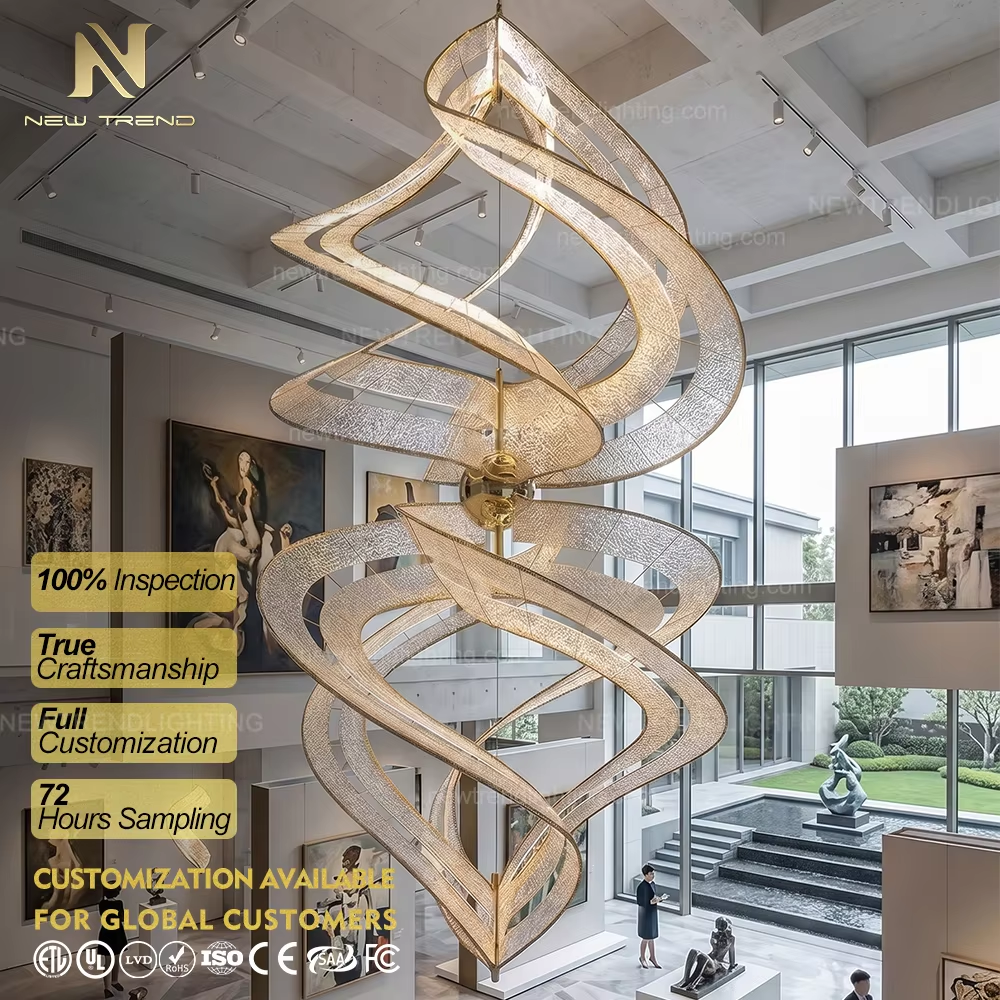
Selecting the right bespoke lighting manufacturer for commercial interior design projects is a critical decision that influences both the aesthetic impact and functional performance of a space. Custom lighting solutions have become essential in modern commercial environments, where designers seek to create unique atmospheres that align with brand identity while meeting technical requirements. Working with a skilled bespoke lighting manufacturer allows interior designers to transform conceptual visions into tangible installations that enhance spatial quality and user experience. Understanding how to evaluate and choose the right manufacturing partner requires careful consideration of technical capabilities, design collaboration processes, production quality, and long-term support mechanisms.
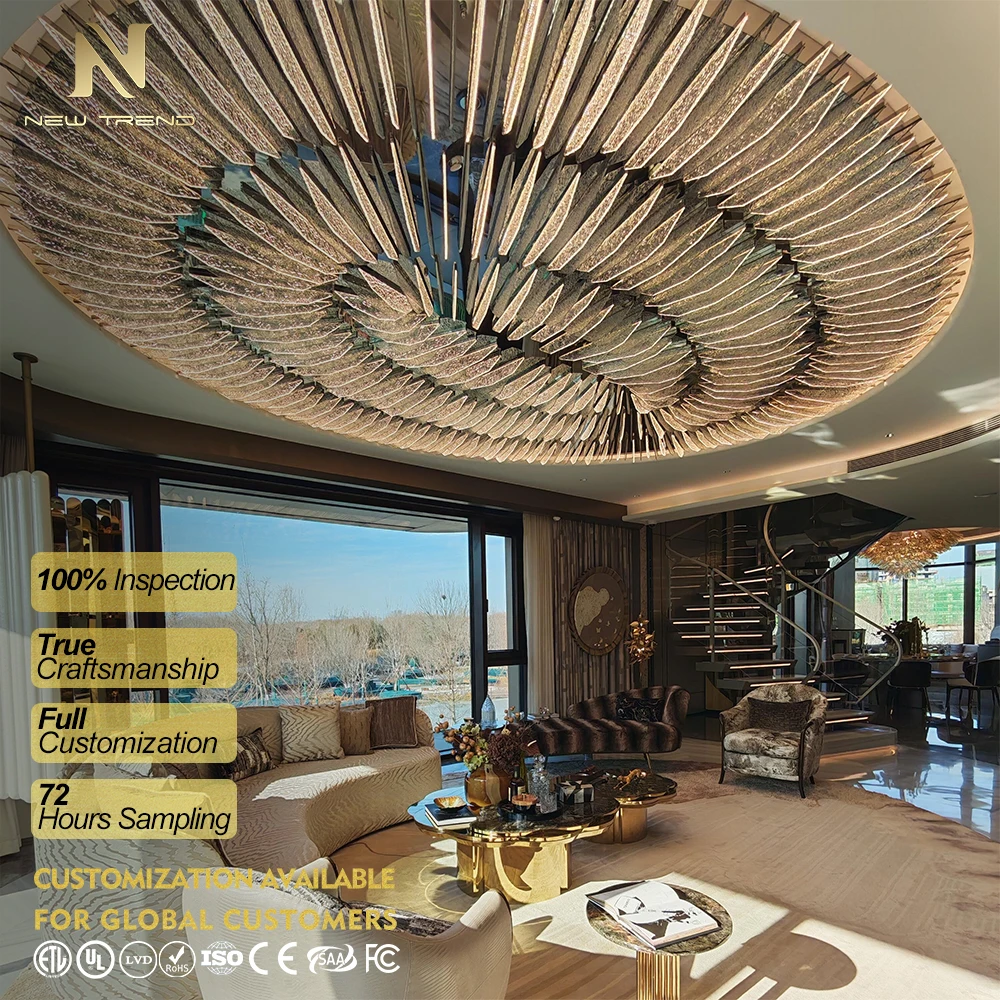
The commercial interior design sector demands lighting solutions that go beyond standard catalog products, particularly in hospitality, retail, corporate, and high-end residential developments. A qualified bespoke lighting manufacturer must demonstrate not only technical manufacturing excellence but also design sensitivity, material expertise, and the ability to execute complex projects within budget and timeline constraints. This comprehensive guide explores the essential criteria, evaluation methods, and strategic considerations that interior designers and project managers should apply when selecting a custom lighting fabrication partner for their commercial projects.
Understanding the Role of a Bespoke Lighting Manufacturer in Commercial Projects
Defining Custom Lighting Manufacturing Capabilities
A professional bespoke lighting manufacturer offers far more than basic assembly services. These specialized fabricators maintain advanced production facilities capable of working with diverse materials including metals, glass, acrylics, and emerging composite materials. Their engineering teams translate conceptual designs into manufacturable products while maintaining aesthetic integrity and ensuring compliance with international lighting standards. The distinction between a standard lighting supplier and a true bespoke lighting manufacturer lies in their capacity to handle unique specifications, prototype development, and small-batch production runs that characterize high-end commercial interior projects.
Custom lighting fabrication requires integrated capabilities spanning industrial design, electrical engineering, materials science, and precision manufacturing. Leading manufacturers maintain in-house design studios that collaborate directly with architects and interior designers during the conceptualization phase. This collaborative approach ensures that custom fixtures not only meet aesthetic requirements but also satisfy technical parameters including light distribution patterns, thermal management, mounting configurations, and maintenance accessibility. The manufacturing process typically involves multiple stages from initial sketches through digital modeling, prototype fabrication, testing, refinement, and final production.
Technical proficiency in working with contemporary lighting technologies represents another fundamental capability. Modern bespoke lighting manufacturer operations must demonstrate expertise in LED integration, control system compatibility, dimming protocols, and smart building integration. Commercial projects increasingly require fixtures that interface with building management systems, support daylight harvesting, and enable scene programming. Manufacturers who invest in staying current with evolving lighting technologies provide greater value and future-proofing for commercial installations that may remain in service for decades.
Commercial Project Requirements and Constraints
Commercial interior design projects impose specific requirements that distinguish them from residential applications. Scale represents a primary consideration, as commercial spaces often require multiple identical or coordinated fixtures to achieve visual consistency across large areas. A competent bespoke lighting manufacturer must demonstrate capacity to produce fixtures in quantities ranging from single statement pieces to production runs of dozens or hundreds of units while maintaining quality consistency. This scalability requirement eliminates many smaller artisanal workshops from consideration for substantial commercial projects.
Timeline management becomes critical in commercial construction and renovation projects where lighting installation represents a dependent task in the critical path. Delays in custom fixture delivery can cascade through project schedules, impacting other trades and potentially delaying facility openings. Experienced manufacturers understand construction sequencing and maintain production planning systems that accommodate phased deliveries aligned with installation schedules. They also maintain buffer capacity to address unforeseen site conditions or last-minute design modifications that commonly arise during commercial projects.
Budget discipline distinguishes successful commercial projects from those that encounter financial challenges. While custom lighting inherently costs more than catalog products, a professional bespoke lighting manufacturer provides transparent pricing, detailed specifications, and value engineering options that help designers balance aesthetic ambitions with fiscal realities. Manufacturers who engage early in the design process can suggest alternative materials, simplified fabrication approaches, or modular design strategies that reduce costs without compromising visual impact. This consultative approach transforms the manufacturer from a vendor into a strategic partner in project success.
Essential Evaluation Criteria for Manufacturer Selection
Technical Manufacturing Capabilities Assessment
Evaluating the technical capabilities of a bespoke lighting manufacturer begins with understanding their production infrastructure. Site visits to manufacturing facilities reveal crucial information about equipment sophistication, quality control systems, and production capacity. Modern custom lighting fabrication requires computer-controlled machining centers, precision welding equipment, advanced finishing systems, and dedicated assembly areas with appropriate electrical testing capabilities. Manufacturers operating with outdated equipment or improvised tooling may struggle to achieve the tolerances and consistency required for professional commercial installations.
Material expertise represents another critical assessment dimension. Different commercial applications demand specific material properties related to corrosion resistance, fire ratings, impact resistance, and maintenance characteristics. A versatile bespoke lighting manufacturer maintains relationships with specialized material suppliers and demonstrates knowledge of material behaviors under various environmental conditions. Their engineering staff should articulate how material selection impacts both aesthetic outcomes and long-term performance. This expertise proves particularly valuable in challenging environments such as coastal installations, industrial settings, or spaces with aggressive cleaning regimens.
Certification and compliance capabilities cannot be overlooked in commercial applications. Professional installations require fixtures that meet local electrical codes, building standards, and often specific certifications such as UL listing, CE marking, or environmental ratings. A qualified bespoke lighting manufacturer maintains testing relationships with recognized certification bodies and understands documentation requirements for commercial projects. Their familiarity with compliance procedures prevents costly delays and ensures that custom fixtures receive necessary approvals for installation and occupancy permits.
Design Collaboration and Communication Processes
The quality of design collaboration profoundly influences project outcomes when working with custom lighting fabricators. Superior manufacturers assign dedicated project managers who serve as single points of contact throughout the engagement. These professionals coordinate between design teams, engineering staff, production planners, and quality control personnel to ensure consistent information flow and rapid response to questions. The presence of structured communication protocols, regular progress updates, and documented decision trails indicates organizational maturity that reduces project risk.
Design iteration capability separates exceptional manufacturers from adequate ones. The path from initial concept to final installation typically involves multiple refinement cycles as designers respond to client feedback, spatial constraints, and budget considerations. Manufacturers who embrace iterative design processes offer rapid prototyping, digital visualization tools, and willingness to produce mockups or samples before committing to full production. This flexibility enables designers to validate aesthetic decisions and technical performance before significant fabrication investment occurs. The cost and timeline implications of design changes should be clearly communicated at each stage.
Technical documentation quality reveals much about a manufacturer's professionalism. Comprehensive submittal packages should include detailed drawings, photometric data, electrical specifications, mounting details, weight calculations, and maintenance instructions. Clear documentation facilitates coordination with other trades, supports permit applications, and provides essential information for facility management teams who will maintain fixtures over their service life. Manufacturers producing incomplete or ambiguous documentation create unnecessary complications during installation and commissioning phases.
Quality Assurance and Project Execution Standards
Manufacturing Quality Control Systems
Robust quality control systems distinguish professional bespoke lighting manufacturer operations from less rigorous fabricators. Multi-stage inspection protocols should verify dimensional accuracy, finish quality, electrical safety, and optical performance at various production milestones. Leading manufacturers implement documented quality management systems, often aligned with ISO standards, that define inspection criteria, acceptance tolerances, and corrective action procedures. These systems create accountability and traceability that prove valuable when addressing any issues that emerge during installation or commissioning.
Component sourcing practices directly impact fixture reliability and longevity. Professional manufacturers specify commercial-grade electrical components from recognized suppliers rather than consumer-grade alternatives that may appear identical but lack appropriate ratings for continuous commercial operation. LED modules, drivers, connectors, and control interfaces should carry manufacturer warranties and meet thermal management requirements appropriate for the fixture design. Transparency about component sourcing allows designers to assess long-term performance expectations and replacement part availability for future maintenance needs.
Pre-delivery testing procedures provide final verification before fixtures leave the manufacturing facility. Comprehensive testing includes electrical safety verification, photometric measurement, operational testing of any moving elements or control features, and packaging inspection to ensure adequate protection during shipping. Some manufacturers photograph each completed fixture before packaging, providing documentation of as-built condition that proves valuable if shipping damage occurs or installation questions arise. These quality assurance measures reflect commitment to customer satisfaction and professional reputation.
Installation Support and Post-Delivery Services
The relationship with a bespoke lighting manufacturer should extend beyond fixture delivery to encompass installation support and long-term service. Detailed installation instructions, mounting templates, and electrical connection diagrams help installation contractors work efficiently and avoid errors that could damage fixtures or create safety issues. Some manufacturers provide installation supervision services for particularly complex or valuable fixtures, ensuring that their products are properly positioned, aimed, and commissioned. This support proves especially valuable for installations involving suspended elements, integrated control systems, or unconventional mounting conditions.
Warranty terms and service commitments reveal manufacturer confidence in their products and willingness to stand behind their work. Standard warranty periods for custom lighting typically range from one to three years, covering manufacturing defects and component failures under normal operating conditions. Clarify what warranty coverage includes, how claims are processed, response timeframes for service requests, and availability of replacement parts beyond the warranty period. Manufacturers maintaining long-term parts inventories and repair capabilities provide greater asset protection for clients investing in significant custom lighting installations.
Documentation delivered with completed fixtures should include maintenance guidelines, cleaning recommendations, recommended lamp replacement intervals, and contact information for technical support. Comprehensive operations and maintenance manuals enable facility management teams to properly care for custom fixtures and troubleshoot minor issues without requiring manufacturer intervention. This documentation becomes particularly important for hospitality and retail environments where maintaining consistent lighting quality directly impacts customer experience and brand perception.
Strategic Considerations for Long-Term Partnership
Financial Stability and Business Reputation
The financial stability of a bespoke lighting manufacturer affects their ability to fulfill commitments and support projects over extended timelines. Commercial construction projects sometimes span years from initial design through final installation, requiring manufacturers to honor quoted pricing and maintain operational continuity throughout the engagement. Research manufacturers' business history, client references, and market reputation before committing to significant projects. Companies with established track records and diversified client bases present lower risk than newly established operations or those dependent on single market segments.
Portfolio evaluation provides insight into a manufacturer's design sensibility, technical range, and project scale experience. Review completed projects similar to your intended application, paying attention to design sophistication, finish quality, and installation complexity. Manufacturers who have successfully executed projects in similar building types and aesthetic genres demonstrate relevant expertise. However, also consider manufacturers willing to stretch beyond their typical portfolio if they show genuine enthusiasm and capability to handle new challenges. The balance between proven experience and creative ambition varies depending on project risk tolerance and timeline flexibility.
Client references offer invaluable perspective on working relationships, problem-solving approaches, and overall satisfaction. Contact multiple previous clients, particularly those who completed projects within the past two years, to gather current impressions of the manufacturer's performance. Ask specific questions about communication responsiveness, adherence to schedules and budgets, quality of delivered products, and handling of any issues that arose during fabrication or installation. References who enthusiastically recommend a manufacturer and describe positive collaborative experiences provide strong validation of selection decisions.
Sustainability and Ethical Manufacturing Practices
Environmental responsibility increasingly influences manufacturer selection as commercial clients pursue sustainability certifications and corporate responsibility goals. Progressive bespoke lighting manufacturer operations implement sustainable practices including responsible material sourcing, waste reduction programs, energy-efficient production processes, and product designs that facilitate eventual recycling. Manufacturers who provide environmental product declarations, material certifications, and transparency about supply chain practices support projects targeting LEED certification or other green building standards. Beyond regulatory compliance, genuine commitment to sustainability reflects organizational values that often correlate with overall quality and ethical business practices.
Labor practices and working conditions within manufacturing facilities deserve consideration, particularly for projects with corporate social responsibility requirements. Manufacturers maintaining safe working environments, fair compensation practices, and workforce development programs contribute positively to their communities while also producing better products through engaged, skilled workers. International manufacturing operations present additional considerations regarding labor standards, environmental regulations, and shipping carbon footprints. These factors may influence manufacturer selection for organizations with strong values-based purchasing policies or projects with specific social impact goals.
Energy efficiency in manufactured products represents both environmental responsibility and long-term cost savings for building operators. Professional manufacturers optimize fixture designs for maximum luminous efficacy, minimizing energy consumption while delivering required illumination levels. They specify high-quality LED components with extended service life, reducing maintenance requirements and replacement costs. Fixtures designed with thermal management principles extend component life and maintain consistent light output over time. These performance characteristics translate directly into reduced operating costs and environmental impact throughout the building lifecycle.
FAQ
What timeline should I expect when working with a bespoke lighting manufacturer for a commercial project?
Custom lighting fabrication timelines vary significantly based on design complexity, materials, quantities, and manufacturer workload. Initial design development and sampling typically require four to eight weeks, allowing for iterative refinement and approval cycles. Production of final fixtures generally spans eight to sixteen weeks depending on project scope and any required certifications. Complex installations involving multiple fixture types or large quantities may extend to twenty weeks or more. Engage manufacturers early in the design process, ideally during schematic design phase, to accommodate these timelines within overall project schedules. Rush production is sometimes possible but typically incurs premium pricing and may compromise the iterative design process that produces optimal results.
How much should I budget for custom lighting compared to catalog products?
Bespoke lighting typically costs two to five times more than comparable catalog fixtures, though this multiplier varies widely based on design complexity, materials, and production quantities. Simple custom finishes on standard forms may add only twenty to thirty percent premium, while entirely unique sculptural fixtures can cost ten times catalog alternatives. Request preliminary budgetary pricing early in design development to inform decision-making about where to invest in custom solutions versus specify catalog products. Many successful projects use custom statement fixtures in prominent locations while employing modified catalog products in secondary areas, balancing aesthetic impact with budget constraints. Professional manufacturers provide value engineering suggestions that reduce costs without compromising design intent.
What questions should I ask when interviewing potential bespoke lighting manufacturers?
Essential questions include inquiries about their design process, typical project timelines, quality control procedures, certification capabilities, and warranty terms. Ask for references from projects similar to yours in scale, budget, and building type. Request facility tours to observe production capabilities firsthand. Discuss their approach to design iteration, how they handle changes during fabrication, and what installation support they provide. Clarify communication protocols, who serves as your primary contact, and their availability during critical project phases. Understanding their current workload and production capacity helps assess whether they can accommodate your timeline. Finally, discuss their experience with any specific technical requirements your project presents, such as dimming systems, outdoor ratings, or historic preservation constraints.
Can a bespoke lighting manufacturer help with lighting design or do I need a separate lighting designer?
While many bespoke lighting manufacturers employ talented designers who can develop fixture concepts and coordinate with architectural themes, they typically do not provide comprehensive lighting design services including illumination calculations, layout planning, and control system design. Most commercial projects benefit from engaging both a qualified lighting designer or consultant who addresses overall lighting strategy and technical performance, and a custom manufacturer who executes specific fixture designs. The lighting designer specifies performance requirements, and the manufacturer translates those requirements into manufacturable products. Some manufacturers maintain collaborative relationships with independent lighting designers, facilitating integrated project delivery. For projects without dedicated lighting design consultants, manufacturers with strong design capabilities may provide more extensive conceptual support, though this arrangement works best for smaller projects or those with straightforward lighting requirements.
Table of Contents
- Understanding the Role of a Bespoke Lighting Manufacturer in Commercial Projects
- Essential Evaluation Criteria for Manufacturer Selection
- Quality Assurance and Project Execution Standards
- Strategic Considerations for Long-Term Partnership
-
FAQ
- What timeline should I expect when working with a bespoke lighting manufacturer for a commercial project?
- How much should I budget for custom lighting compared to catalog products?
- What questions should I ask when interviewing potential bespoke lighting manufacturers?
- Can a bespoke lighting manufacturer help with lighting design or do I need a separate lighting designer?