EN
EN


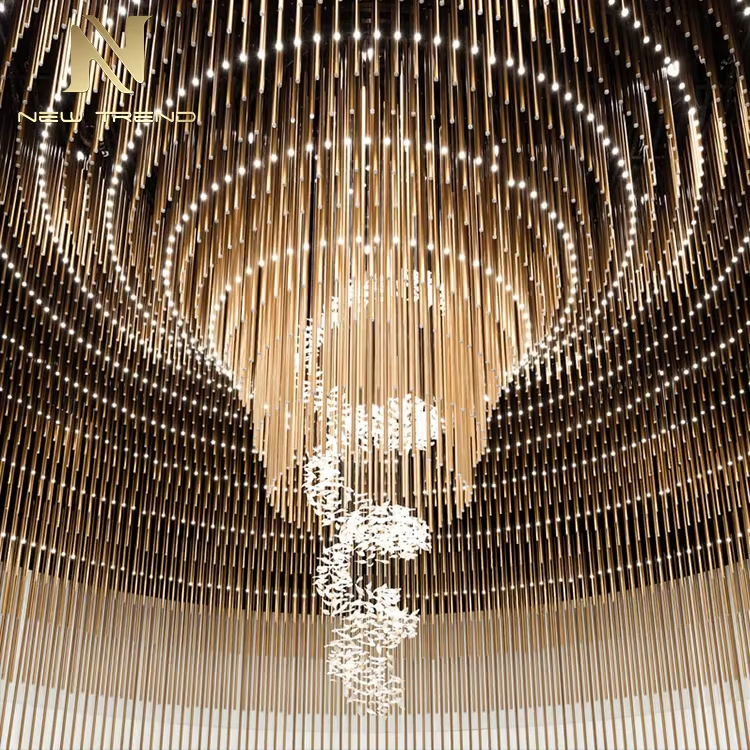
In today's competitive commercial design landscape, bespoke lighting has emerged as the defining element that separates exceptional spaces from merely functional ones. The demand for customized illumination solutions continues to grow as architects, interior designers, and hospitality professionals recognize that standard lighting fixtures simply cannot deliver the unique ambiance and brand identity that modern commercial spaces require. This shift toward personalization represents more than just aesthetic preference—it reflects a deeper understanding of how thoughtfully designed lighting can transform guest experiences, enhance brand perception, and create memorable environments that drive business success.
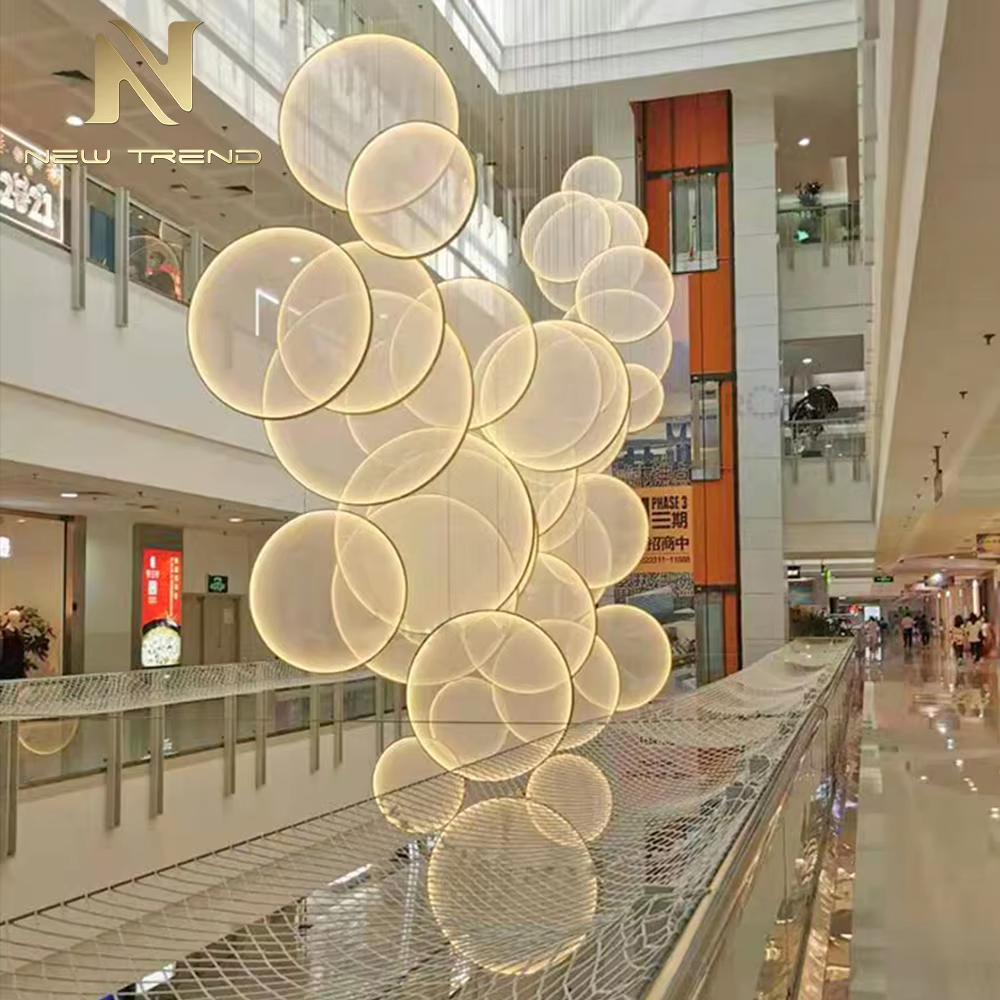
The Evolution of Commercial Lighting Design
From Functional to Experiential
Commercial lighting design has undergone a dramatic transformation over the past decade. Where once lighting served primarily functional purposes, today's commercial spaces demand fixtures that contribute to storytelling and emotional connection. Bespoke lighting solutions allow designers to craft narratives through illumination, creating atmospheres that resonate with specific target audiences and reinforce brand values. This evolution reflects broader changes in consumer expectations, where guests and customers increasingly seek authentic, memorable experiences rather than standardized environments.
The hospitality industry has been particularly instrumental in driving this change. Luxury hotels, restaurants, and entertainment venues have discovered that custom lighting installations serve as powerful differentiators in crowded markets. These spaces require lighting solutions that can adapt to various functions throughout the day while maintaining consistent aesthetic appeal. Bespoke lighting systems offer the flexibility and sophistication necessary to meet these complex demands, enabling venues to create distinct moods for different occasions and customer segments.
Technology Integration and Smart Systems
Modern bespoke lighting incorporates advanced technology that extends far beyond simple illumination control. Smart systems now enable dynamic color temperature adjustment, automated scheduling, and integration with other building systems to optimize energy efficiency. These technological capabilities allow custom lighting installations to respond intelligently to occupancy patterns, natural light levels, and specific operational requirements. The result is lighting that not only enhances aesthetic appeal but also contributes to operational efficiency and sustainability goals.
The integration of IoT connectivity and sensor technology has revolutionized how bespoke lighting systems operate in commercial environments. These smart solutions can collect data on usage patterns, energy consumption, and maintenance needs, providing facility managers with valuable insights for optimizing performance and reducing operational costs. This data-driven approach to lighting management represents a significant advantage for commercial properties seeking to maximize both guest satisfaction and operational efficiency.
Design Principles for Exceptional Commercial Spaces
Understanding Spatial Hierarchy
Effective bespoke lighting design begins with a thorough understanding of spatial hierarchy and how different areas within a commercial space serve various functions. Primary spaces such as lobbies and main dining areas require statement lighting that creates immediate visual impact and establishes the overall design theme. Secondary spaces including corridors, waiting areas, and service zones need complementary lighting that maintains aesthetic continuity while providing appropriate illumination levels for their specific purposes.
The art of creating successful spatial hierarchy through lighting involves careful consideration of brightness levels, color temperatures, and fixture placement. Bespoke lighting allows designers to create focal points that guide movement through spaces while ensuring that functional requirements are met at every level. This approach requires intimate knowledge of how people interact with different environments and how lighting influences perception, comfort, and behavior patterns.
Cultural and Regional Considerations
Commercial spaces serving diverse populations must consider cultural and regional preferences in their lighting design approach. Bespoke lighting solutions offer the flexibility to incorporate cultural symbolism, traditional craftsmanship techniques, and regionally appropriate aesthetic elements that resonate with local audiences while maintaining universal appeal. This cultural sensitivity in lighting design can significantly enhance guest comfort and create stronger emotional connections with the space.
Regional factors such as climate, natural light availability, and architectural traditions also influence optimal lighting strategies for commercial spaces. Custom lighting installations can be designed to complement local environmental conditions while addressing specific challenges such as glare control in sunny climates or mood enhancement in regions with limited natural light. This localized approach to bespoke lighting design ensures that commercial spaces feel authentic and appropriate to their geographic context.
Material Innovation and Artistic Expression
Sustainable Materials and Manufacturing
The bespoke lighting industry has embraced sustainable materials and manufacturing processes as both environmental responsibility and market demand have increased. Custom fixtures now incorporate recycled metals, sustainable glass production techniques, and energy-efficient LED technology to reduce environmental impact while maintaining exceptional quality and aesthetic appeal. These sustainable approaches often result in unique textures and finishes that add character and authenticity to custom lighting installations.
Advanced manufacturing techniques such as 3D printing and precision laser cutting have expanded the possibilities for creating complex geometries and intricate patterns in bespoke lighting fixtures. These technologies enable designers to realize ambitious creative visions while maintaining cost-effectiveness and production efficiency. The combination of sustainable materials and innovative manufacturing processes has opened new avenues for artistic expression in commercial lighting design.
Artisanal Craftsmanship Integration
Many bespoke lighting projects now incorporate traditional artisanal techniques alongside modern manufacturing processes to create truly unique pieces that cannot be replicated through mass production. Hand-blown glass, forged metalwork, and traditional textile techniques add layers of authenticity and craftsmanship that enhance the perceived value and emotional impact of custom lighting installations. This integration of artisanal elements allows commercial spaces to showcase cultural heritage while creating distinctive design statements.
The collaboration between lighting designers and skilled craftspeople has resulted in innovative approaches to bespoke lighting that combine artistic vision with technical expertise. These partnerships often produce fixtures that serve as functional art pieces, contributing to the overall aesthetic narrative of commercial spaces while providing exceptional illumination quality. The resulting installations become conversation pieces that enhance guest engagement and create memorable experiences.
Industry Applications and Case Studies
Hospitality and Entertainment Venues
The hospitality industry represents one of the most dynamic markets for bespoke lighting applications, with hotels, restaurants, and entertainment venues seeking distinctive lighting solutions that enhance guest experiences and support operational objectives. Custom lighting installations in these environments must balance aesthetic impact with practical considerations such as maintenance accessibility, energy efficiency, and adaptability to different operational modes throughout the day and evening.
Successful hospitality lighting projects often incorporate narrative elements that reflect the venue's concept, location, or cultural themes. Bespoke lighting fixtures can tell stories through their design, materials, and illumination patterns, creating immersive environments that transport guests and enhance their overall experience. These narrative-driven installations contribute to brand differentiation and create social media-worthy moments that extend marketing reach beyond the physical space.
Retail and Commercial Developments
Retail environments present unique challenges for bespoke lighting design, requiring solutions that enhance product presentation while creating inviting atmospheres that encourage exploration and purchase decisions. Custom lighting systems must provide optimal color rendering for merchandise while contributing to overall brand expression and customer comfort. The flexibility inherent in bespoke lighting solutions allows retailers to adapt their environments for seasonal changes, special events, and evolving merchandise strategies.
Large-scale commercial developments benefit from bespoke lighting approaches that create cohesive design themes while addressing the diverse needs of multiple tenants and functions. Custom lighting installations can serve as wayfinding elements, create gathering spaces, and establish visual landmarks that enhance navigation and user experience. These comprehensive lighting strategies contribute to the overall success of commercial developments by creating environments that attract and retain tenants and visitors.
Implementation Strategies and Best Practices
Project Planning and Collaboration
Successful bespoke lighting projects require comprehensive planning and collaboration among diverse stakeholders including architects, interior designers, lighting specialists, and facility managers. Early engagement of lighting consultants in the design process ensures that electrical infrastructure, structural considerations, and operational requirements are properly integrated into the overall project timeline and budget. This collaborative approach prevents costly modifications during construction and ensures optimal performance of custom lighting installations.
The complexity of bespoke lighting projects necessitates detailed project management protocols that address design development, manufacturing coordination, and installation logistics. Clear communication channels and regular progress reviews help maintain project momentum while ensuring that quality standards and aesthetic objectives are consistently met. These structured approaches to project management are essential for delivering custom lighting solutions on schedule and within budget parameters.
Quality Assurance and Performance Testing
Bespoke lighting installations require rigorous quality assurance processes to ensure that custom fixtures meet both aesthetic specifications and performance requirements. Comprehensive testing protocols should address light output consistency, color accuracy, thermal management, and long-term durability under operational conditions. These quality measures protect the significant investments associated with custom lighting projects while ensuring reliable performance throughout the fixtures' operational lifespan.
Performance testing for bespoke lighting should include photometric analysis, energy efficiency validation, and compatibility verification with control systems and building automation platforms. Documentation of these testing results provides valuable information for maintenance planning and helps establish warranty terms that protect project investments. This thorough approach to quality assurance builds confidence among project stakeholders and supports successful long-term outcomes for commercial lighting installations.
Future Trends and Market Outlook
Emerging Technologies and Design Possibilities
The bespoke lighting industry continues to evolve rapidly as new technologies expand the possibilities for custom fixture design and functionality. Emerging technologies such as OLED panels, quantum dot LEDs, and advanced optical systems are creating opportunities for thinner profiles, improved color quality, and novel form factors that were previously impossible to achieve. These technological advances enable designers to push creative boundaries while improving energy efficiency and operational performance.
Artificial intelligence and machine learning applications are beginning to influence bespoke lighting design through automated optimization algorithms that can analyze space usage patterns and adjust illumination parameters for optimal comfort and energy efficiency. These smart systems represent the next evolution in custom lighting solutions, offering unprecedented levels of responsiveness and adaptation to user needs and preferences.
Market Growth and Industry Evolution
The global market for bespoke lighting continues to expand as commercial property developers recognize the value proposition of custom lighting solutions in creating distinctive, memorable spaces. This growth is driven by increasing competition in hospitality and retail markets, where unique design elements serve as powerful differentiators. The market expansion has also stimulated innovation in manufacturing processes and supply chain management, making custom lighting solutions more accessible to a broader range of projects and budgets.
Industry consolidation and strategic partnerships are reshaping the bespoke lighting landscape as manufacturers seek to expand their capabilities and geographic reach. These collaborations often result in enhanced design resources, improved manufacturing efficiency, and more comprehensive project support services. The evolution of the industry structure supports continued growth while maintaining the artisanal quality and creative excellence that define exceptional custom lighting installations.
FAQ
What factors should be considered when budgeting for bespoke lighting projects
Budgeting for bespoke lighting requires consideration of design complexity, materials selection, manufacturing requirements, and installation logistics. Custom fixtures typically cost 3-5 times more than standard alternatives, but this investment is justified by their unique aesthetic impact, perfect fit to space requirements, and long-term durability. Additional budget considerations include engineering and testing costs, shipping and handling for oversized fixtures, and potential modifications to electrical infrastructure to support custom installations.
How long does the design and manufacturing process typically take for custom lighting fixtures
The timeline for bespoke lighting projects varies significantly based on design complexity and manufacturing requirements, but most projects require 12-20 weeks from final design approval to installation readiness. Simple custom fixtures may be completed in 8-10 weeks, while complex installations involving new manufacturing techniques or extensive testing may require 6 months or longer. Early engagement with lighting manufacturers and clear project timelines help ensure that custom fixtures are ready for installation when needed.
What maintenance requirements should be expected for custom lighting installations
Bespoke lighting installations typically require specialized maintenance protocols due to their unique designs and materials. Maintenance planning should address LED replacement procedures, cleaning requirements for specialty finishes, and access considerations for fixtures in challenging locations. Many custom lighting manufacturers provide detailed maintenance guides and offer ongoing support services to ensure optimal performance throughout the fixture lifecycle. Regular preventive maintenance extends fixture lifespan and maintains aesthetic appearance in commercial environments.
How can bespoke lighting contribute to sustainability goals in commercial projects
Modern bespoke lighting solutions support sustainability objectives through energy-efficient LED technology, sustainable material selection, and optimized optical design that maximizes illumination effectiveness. Custom fixtures can be designed specifically for LED integration, eliminating compatibility issues and ensuring optimal performance. The durability and timeless design of quality custom fixtures also contributes to sustainability by reducing replacement frequency and minimizing waste generation over the building lifecycle.
Table of Contents
- The Evolution of Commercial Lighting Design
- Design Principles for Exceptional Commercial Spaces
- Material Innovation and Artistic Expression
- Industry Applications and Case Studies
- Implementation Strategies and Best Practices
- Future Trends and Market Outlook
-
FAQ
- What factors should be considered when budgeting for bespoke lighting projects
- How long does the design and manufacturing process typically take for custom lighting fixtures
- What maintenance requirements should be expected for custom lighting installations
- How can bespoke lighting contribute to sustainability goals in commercial projects