EN
EN


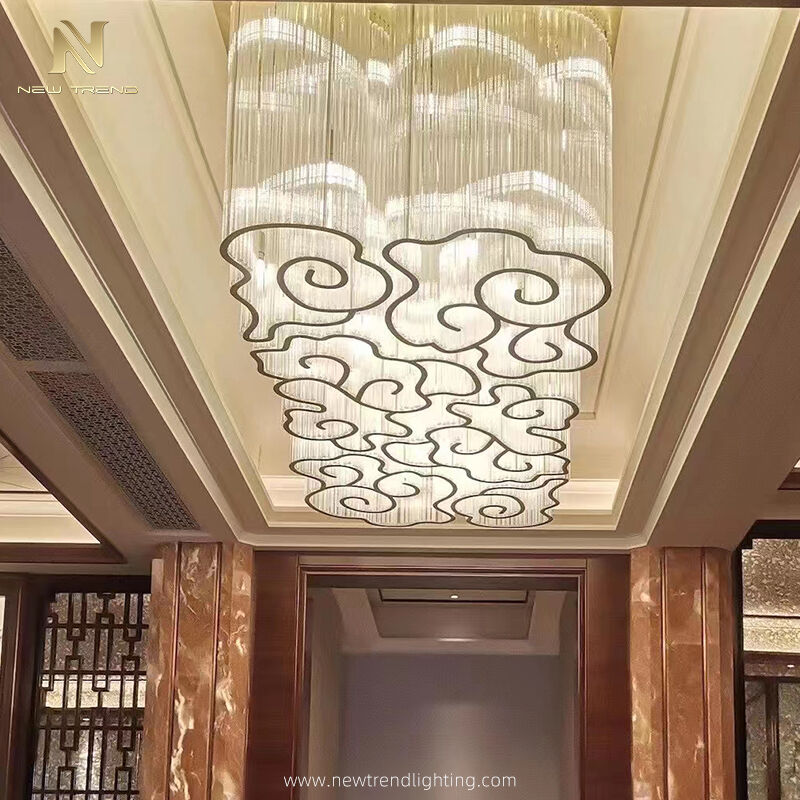
The hospitality industry continues to evolve at an unprecedented pace, with boutique hotels and luxury resorts seeking innovative ways to differentiate themselves from traditional accommodation providers. Among the most impactful design elements transforming these spaces, custom chandelier manufacturing has emerged as a defining factor in creating memorable guest experiences. This specialized approach to lighting design goes beyond standard fixtures, offering property owners the opportunity to create distinctive atmospheres that reflect their brand identity while maximizing the aesthetic appeal of their interiors.
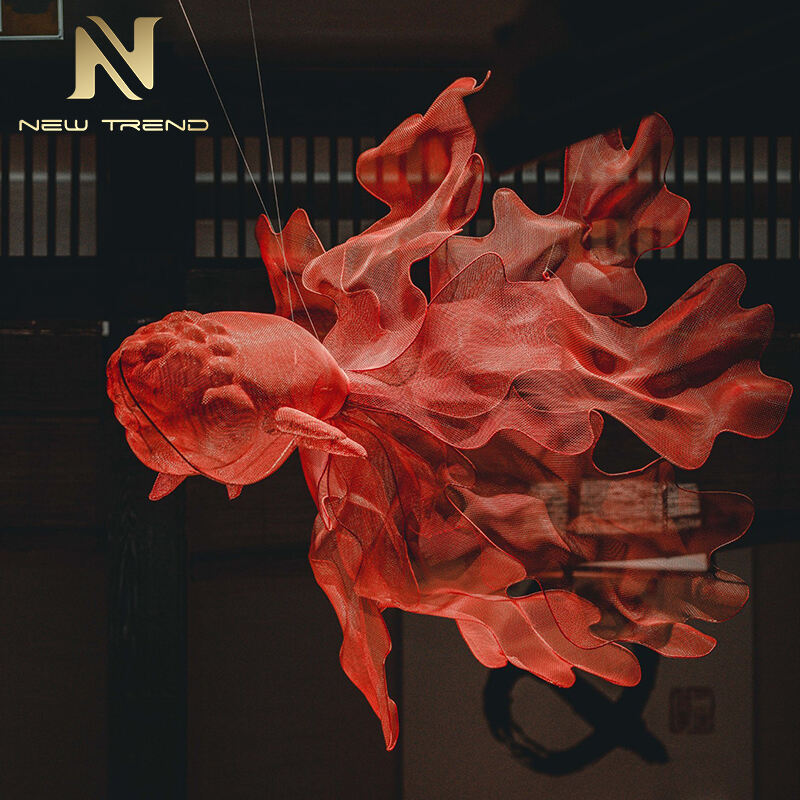
The shift toward personalized lighting solutions represents more than just an aesthetic trend. Boutique hospitality venues recognize that every design element contributes to the overall guest experience, and lighting plays a crucial role in establishing ambiance, creating focal points, and reinforcing the property's unique character. Custom chandelier manufacturing allows designers and property owners to collaborate on pieces that perfectly complement architectural features, color schemes, and thematic concepts that define their establishments.
Modern travelers increasingly seek authentic, Instagram-worthy experiences that distinguish one property from another. In this competitive landscape, generic lighting fixtures simply cannot deliver the visual impact required to capture attention and create lasting impressions. Custom chandelier manufacturing addresses this challenge by providing lighting solutions that serve as conversation pieces, architectural features, and branding elements simultaneously.
The Evolution of Boutique Hospitality Design
Shifting Consumer Expectations
Today's hospitality consumers demonstrate sophisticated design awareness and expect immersive environments that reflect creativity and attention to detail. This demographic shift has fundamentally altered how property developers approach interior design projects, with lighting becoming a central consideration rather than an afterthought. Custom chandelier manufacturing responds to these elevated expectations by delivering unique fixtures that cannot be replicated in competing establishments.
The boutique hospitality sector has witnessed remarkable growth as travelers increasingly prefer intimate, character-rich accommodations over standardized chain hotels. This preference creates opportunities for properties to showcase distinctive design philosophies through carefully curated elements, with custom lighting installations serving as centerpiece features that define spaces and create emotional connections with guests.
Technology Integration in Design
Advanced manufacturing technologies have revolutionized the custom chandelier manufacturing process, enabling designers to create increasingly complex and innovative lighting solutions. Computer-aided design software, precision fabrication equipment, and LED integration capabilities allow manufacturers to produce fixtures that were previously impossible or prohibitively expensive to create.
Smart lighting systems integrated into custom chandeliers offer property managers unprecedented control over ambiance and energy consumption. These technological advances enable venues to program lighting scenes that adapt throughout the day, creating different moods for various events and times while maintaining consistency with the property's overall design vision.
Business Benefits of Custom Lighting Solutions
Brand Differentiation Strategies
In the highly competitive boutique hospitality market, establishing a memorable brand identity requires distinctive visual elements that guests associate with exceptional experiences. Custom chandelier manufacturing provides properties with exclusive lighting installations that become signature features, generating social media buzz and word-of-mouth marketing that traditional advertising cannot achieve.
Properties featuring unique lighting installations often command premium pricing and achieve higher occupancy rates compared to venues with standard fixtures. The investment in custom chandelier manufacturing typically generates positive returns through increased revenue per available room, enhanced guest satisfaction scores, and improved market positioning within competitive destinations.
Long-term Investment Value
Quality custom chandeliers represent durable assets that maintain their visual appeal and functionality for decades when properly maintained. Unlike mass-produced fixtures that may require frequent replacement or become outdated quickly, custom lighting installations retain their distinctive character while appreciating as unique art pieces that enhance property values.
The durability and timeless appeal of well-designed custom chandeliers make them sound financial investments for hospitality properties. These fixtures often become iconic elements associated with the venue's identity, creating legacy value that extends far beyond their initial installation costs.
Design Flexibility and Creative Possibilities
Architectural Integration
Custom chandelier manufacturing enables seamless integration with existing architectural features, allowing designers to create lighting solutions that enhance rather than compete with structural elements. This collaborative approach ensures that fixtures complement ceiling heights, spatial proportions, and decorative details while providing optimal illumination for various activities and functions.
The ability to customize dimensions, materials, and mounting systems means that custom chandelier manufacturing can accommodate virtually any space configuration or design challenge. This flexibility proves particularly valuable in boutique properties that often occupy historic buildings or uniquely configured spaces that cannot accommodate standard lighting solutions.
Material and Finish Options
The range of materials available for custom chandelier manufacturing continues to expand, incorporating everything from traditional crystals and metals to innovative composites, recycled materials, and sustainable alternatives. This diversity enables designers to align lighting selections with broader sustainability initiatives while maintaining aesthetic excellence.
Custom finishes and surface treatments allow properties to coordinate lighting fixtures with other design elements, creating cohesive environments that reinforce thematic concepts. Whether pursuing minimalist contemporary aesthetics or elaborate traditional styles, custom chandelier manufacturing provides the material flexibility necessary to achieve desired visual outcomes.
Sustainability and Environmental Considerations
Energy Efficiency Advantages
Modern custom chandelier manufacturing incorporates LED technology and smart controls that significantly reduce energy consumption compared to traditional lighting systems. These efficiency improvements align with hospitality industry sustainability goals while reducing operational costs and demonstrating environmental responsibility to increasingly eco-conscious guests.
The longevity of quality custom chandeliers contributes to sustainability by reducing waste associated with frequent fixture replacements. When combined with energy-efficient components and responsible material sourcing, custom chandelier manufacturing supports comprehensive sustainability strategies that appeal to environmentally aware consumers.
Sustainable Material Choices
Contemporary custom chandelier manufacturing increasingly emphasizes sustainable materials and responsible production processes. Recycled metals, reclaimed wood elements, and ethically sourced crystals enable properties to create stunning lighting installations while supporting environmental stewardship initiatives.
The ability to specify sustainable materials during the custom chandelier manufacturing process allows properties to align their lighting investments with broader corporate responsibility programs. This integration demonstrates authentic commitment to sustainability that resonates with guests and supports positive brand associations.
Market Trends and Future Outlook
Emerging Design Movements
Current trends in custom chandelier manufacturing reflect broader shifts toward biophilic design, with fixtures incorporating natural forms, organic materials, and nature-inspired motifs. These design directions align with hospitality industry efforts to create restorative environments that promote wellness and connection with natural elements.
The integration of interactive and programmable features represents another significant trend in custom chandelier manufacturing. Properties are increasingly investing in fixtures that can respond to events, seasons, or specific programming requirements, creating dynamic lighting experiences that enhance guest engagement and operational flexibility.
Technology Integration Advances
Future developments in custom chandelier manufacturing will likely incorporate advanced sensor technologies, artificial intelligence, and Internet of Things connectivity. These capabilities will enable fixtures to automatically adjust based on occupancy levels, ambient light conditions, and guest preferences while providing valuable operational data to property managers.
The continued evolution of LED technology promises even greater efficiency, color accuracy, and creative possibilities for custom chandelier manufacturing. These technological advances will expand design possibilities while reducing environmental impact and operational costs for boutique hospitality properties.
Implementation Considerations for Property Owners
Project Planning and Timeline
Successful custom chandelier manufacturing projects require careful planning and realistic timeline expectations. The design development, approval, fabrication, and installation process typically spans several months, necessitating early integration into renovation or construction schedules to avoid delays and coordination conflicts.
Collaboration between lighting designers, architects, and custom chandelier manufacturing specialists ensures that all technical requirements, aesthetic goals, and operational considerations are addressed during the planning phase. This collaborative approach minimizes unexpected challenges and ensures successful project outcomes.
Budget and Investment Analysis
While custom chandelier manufacturing requires higher initial investment than standard fixtures, the long-term value proposition often justifies the additional expense. Properties should consider factors including energy savings, maintenance costs, brand enhancement value, and potential revenue increases when evaluating custom lighting investments.
Financing options and phased implementation strategies can make custom chandelier manufacturing more accessible for properties with limited capital budgets. Many manufacturers offer payment plans and project staging approaches that align with property cash flow requirements while delivering desired design outcomes.
FAQ
What factors determine the cost of custom chandelier manufacturing projects
Custom chandelier manufacturing costs depend on several key factors including fixture size, material selection, complexity of design, quantity ordered, and installation requirements. Premium materials like hand-cut crystals or exotic metals increase costs, while simpler designs using standard materials offer more budget-friendly options. The level of customization required, from minor modifications to completely original designs, significantly impacts pricing. Additionally, factors such as project timeline, shipping distances, and specialized installation needs can influence total project investment.
How long does the custom chandelier manufacturing process typically take
The custom chandelier manufacturing timeline varies based on design complexity and production schedule, but most projects require 8-16 weeks from final design approval to delivery. Simple modifications to existing designs may complete faster, while completely original creations or large-scale installations often need extended timeframes. The process includes design development, material procurement, fabrication, quality testing, and careful packaging for shipment. Properties should plan custom chandelier manufacturing projects well in advance of required installation dates to accommodate potential delays and ensure proper coordination with other construction activities.
What maintenance requirements apply to custom chandeliers in hospitality settings
Custom chandeliers in hospitality environments require regular maintenance to preserve their appearance and functionality. Routine cleaning schedules should address dust accumulation, crystal polishing, and component inspection to identify potential issues before they affect performance. LED components typically require minimal maintenance but should be monitored for color consistency and output levels. Professional maintenance services specializing in custom chandelier care can provide periodic deep cleaning, component replacement, and performance optimization to ensure fixtures maintain their visual impact throughout their service life.
How do custom chandeliers integrate with modern hotel management systems
Contemporary custom chandelier manufacturing increasingly incorporates smart controls and connectivity features that integrate with hotel management systems. These capabilities enable centralized lighting control, automated scheduling, and energy monitoring through property management platforms. Advanced systems can adjust lighting based on occupancy sensors, time of day programming, or special event requirements while providing operational data for energy management and maintenance planning. Integration with building automation systems allows custom chandeliers to participate in comprehensive environmental control strategies that enhance guest comfort while optimizing operational efficiency.
Table of Contents
- The Evolution of Boutique Hospitality Design
- Business Benefits of Custom Lighting Solutions
- Design Flexibility and Creative Possibilities
- Sustainability and Environmental Considerations
- Market Trends and Future Outlook
- Implementation Considerations for Property Owners
-
FAQ
- What factors determine the cost of custom chandelier manufacturing projects
- How long does the custom chandelier manufacturing process typically take
- What maintenance requirements apply to custom chandeliers in hospitality settings
- How do custom chandeliers integrate with modern hotel management systems