EN
EN


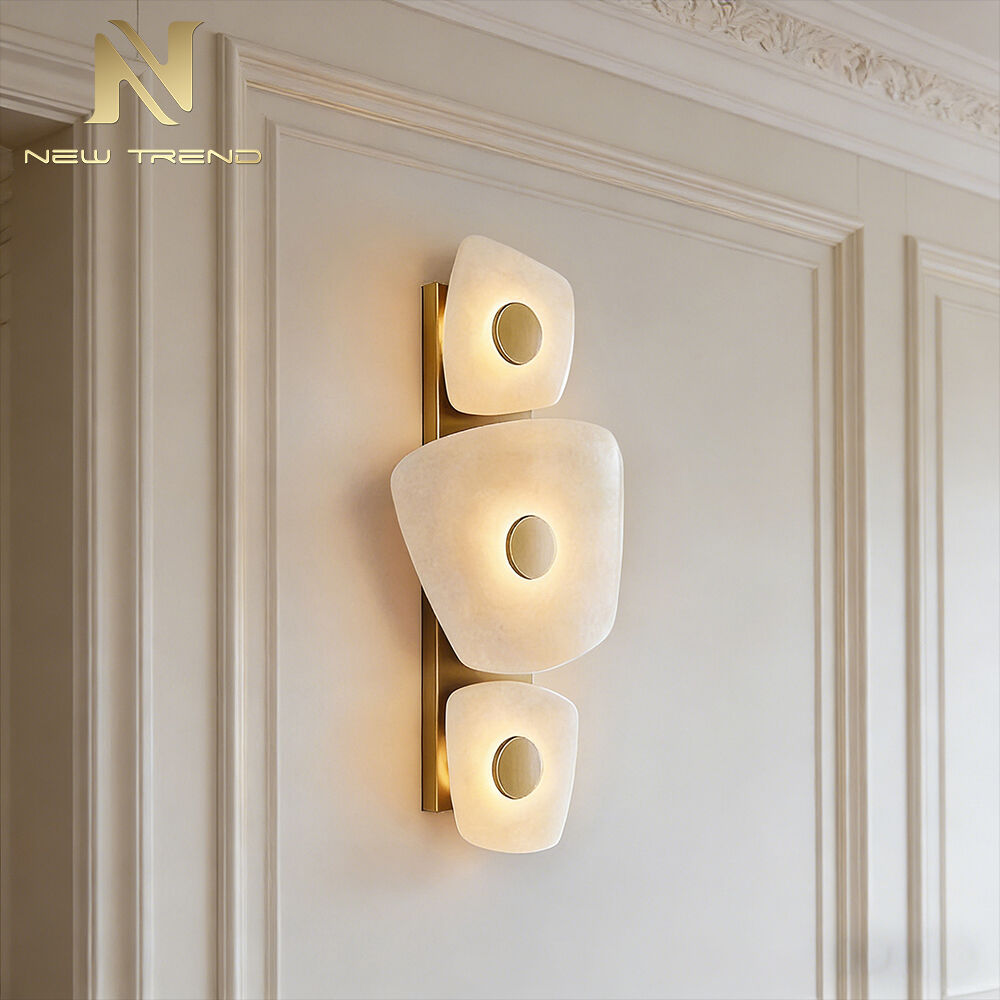
When sourcing lighting for modern architectural projects, the wall lamp remains one of the most versatile and design-critical fixtures a procurement team can specify. A well-chosen wall lamp does more than illuminate a surface — it defines the mood of a corridor, reinforces the visual language of a facade, and contributes to the overall architectural coherence of a building. For developers, interior designers, and lighting contractors working at scale, wholesale wall lamp supply is not simply a cost-saving strategy; it is a project management necessity.
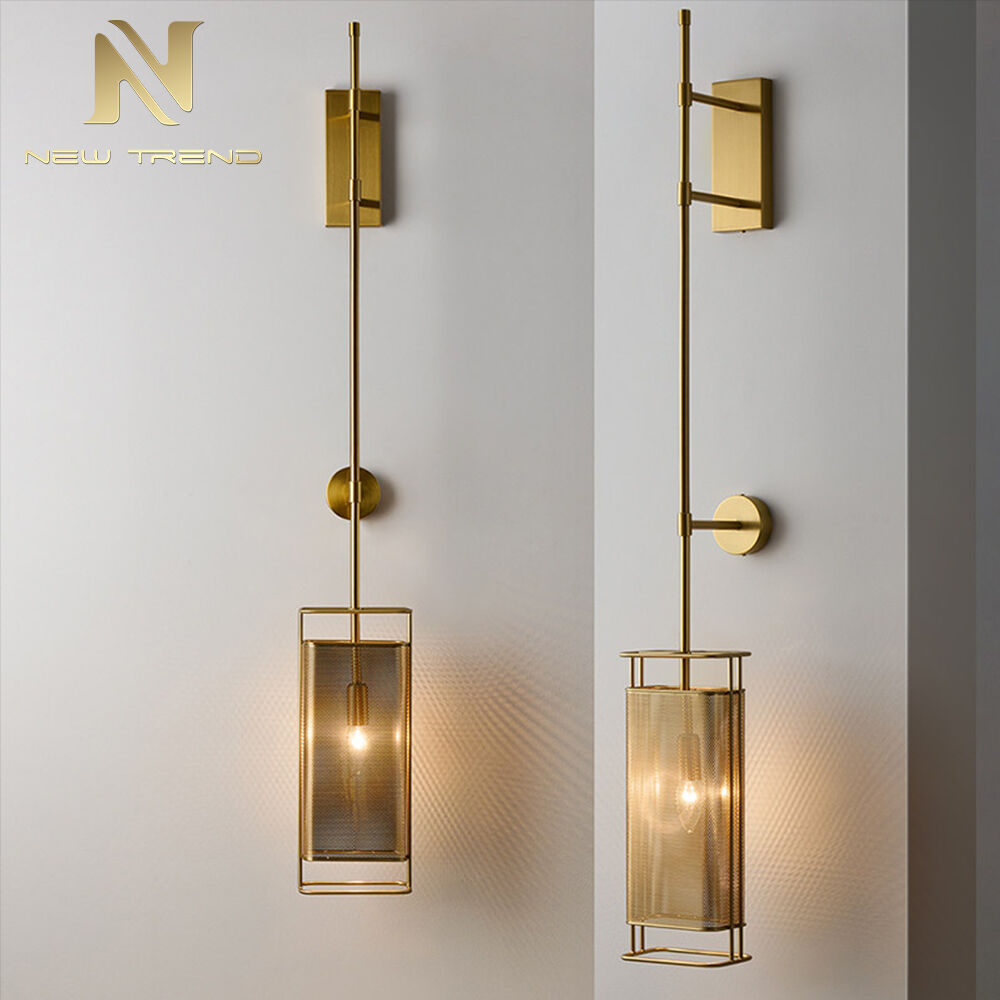
The modern architectural market demands wall lamp options that balance aesthetic flexibility with technical performance. Whether the project involves a luxury hotel, a commercial office tower, a residential complex, or a mixed-use development, the ability to procure a consistent wall lamp range in large quantities — while maintaining design integrity — is what separates a smooth project delivery from a costly one. This article explores what to look for in wholesale wall lamp supply, how to evaluate suppliers effectively, and how to ensure the right wall lamp specification reaches the right application.
Understanding Wall Lamp Requirements in Architectural Projects
Matching Wall Lamp Style to Architectural Intent
Every architectural project carries a visual identity, and the wall lamp selected must reinforce that identity rather than contradict it. A minimalist concrete residential tower calls for a wall lamp with clean geometry, matte finishes, and concealed wiring. A boutique hospitality space may demand a wall lamp with warmer tones, decorative metalwork, or artisan-inspired details. Before engaging any wholesale wall lamp supplier, the design team must define the stylistic parameters that govern selection. This upfront clarity prevents costly revisions during procurement and installation phases.
The wall lamp category is extraordinarily broad. It spans everything from slim linear sconces designed for hallway accent lighting to bold statement wall lamp fixtures intended as focal points in lobbies and public spaces. Knowing precisely which wall lamp typology the project requires — and being able to communicate that clearly to a wholesale supplier — is the foundation of an efficient sourcing process. Specification documents, mood boards, and technical drawings should accompany every wholesale wall lamp inquiry to ensure alignment from the first conversation.
Technical Specifications That Matter at Scale
When ordering a wall lamp in wholesale quantities, technical specifications carry even greater weight than in single-unit retail purchasing. Each wall lamp unit must meet consistent standards for color rendering index, lumen output, beam angle, and IP rating. For outdoor architectural applications, a wall lamp with at least IP54 rating is typically required to withstand weather exposure. For indoor commercial use, the wall lamp should meet the relevant electrical safety certifications applicable to the target market, whether CE, UL, or another regional standard.
Heat dissipation is another factor often overlooked when specifying a wall lamp for large-scale deployment. A wall lamp that performs reliably as a single prototype may develop thermal issues when installed in dense configurations without adequate spacing. Wholesale buyers should request thermal performance data alongside photometric reports for any wall lamp under serious evaluation. This due diligence protects both the installation quality and the long-term warranty position of the project.
Key Factors in Wholesale Wall Lamp Sourcing
Evaluating Supplier Capacity and Consistency
Wholesale wall lamp sourcing for architectural projects requires suppliers who can demonstrate genuine production capacity. A supplier capable of delivering fifty wall lamp units reliably is not necessarily equipped to fulfill an order of five thousand wall lamp units with the same consistency. Architectural projects have strict delivery windows tied to construction schedules, and a delay in wall lamp supply can cascade into contractor penalties and project handover setbacks. When evaluating a wholesale wall lamp partner, always verify their factory capacity, lead times, and quality control processes in writing.
Consistency across a production run is equally important. Each wall lamp shipped must match the approved sample in finish, dimension, and light output. Color temperature variation across a large wall lamp batch — even a subtle shift from 3000K to 3200K — can be visually disruptive when fixtures are installed side by side in a corridor or facade. Reputable wholesale wall lamp suppliers will offer pre-shipment inspection protocols and batch testing reports as standard documentation. Buyers who skip this step often encounter difficult remediation costs after installation.
Customization Options for Architectural Differentiation
One of the most valuable capabilities a wholesale wall lamp supplier can offer architectural buyers is customization. Standard off-the-shelf wall lamp designs may not always match the precise dimensions, finish colors, or optical specifications required by an architect or interior designer. Leading wholesale wall lamp suppliers offer OEM and ODM services that allow buyers to adapt an existing wall lamp platform — adjusting the body length, switching the diffuser material, or applying a project-specific RAL color — without the cost of developing an entirely new wall lamp from scratch.
Even modest customization options, such as offering a wall lamp in both matte black and brushed gold finishes within the same product family, can dramatically increase the commercial value of a wholesale wall lamp range. Architectural buyers often work across multiple projects simultaneously, and a supplier who can serve varied wall lamp aesthetic requirements from a single catalog relationship is far more efficient to manage than multiple fragmented vendors.
Managing Wall Lamp Procurement Across Project Phases
Phased Ordering and Inventory Strategy
Large architectural projects rarely receive all their lighting fixtures in a single delivery. A phased wall lamp procurement strategy allows the project team to align supply with installation readiness, reducing on-site storage risks and minimizing damage to fixtures during the construction period. Wholesale wall lamp suppliers who offer bonded warehouse services or flexible call-off agreements provide significant logistical advantages for multi-phase developments. Establishing these arrangements early in the project timeline prevents last-minute procurement pressure.
For repeat developments — such as hotel chains rolling out a new property concept across multiple locations — a master wall lamp specification and a frame agreement with a preferred wholesale wall lamp supplier creates enormous efficiency. The wall lamp specification is approved once, the pricing is locked, and each new property draws from the same production platform. This approach reduces design risk, shortens procurement lead times, and ensures visual consistency across the entire portfolio of properties.
After-Sales Support and Spare Parts Availability
A wholesale wall lamp relationship does not end at delivery. Architectural projects have operational lifespans measured in decades, and access to replacement wall lamp components — driver modules, diffuser panels, mounting brackets — becomes critical once the project enters the maintenance phase. Buyers should confirm spare parts availability and minimum stock commitments before placing any large-scale wall lamp order. A wall lamp that cannot be serviced five years after installation creates significant lifecycle cost problems for building operators and owners.
FAQ
What is the minimum order quantity for wholesale wall lamp supply?
Minimum order quantities for wholesale wall lamp supply vary by supplier and product type. Most manufacturers set MOQs between fifty and two hundred units per wall lamp model, though frame agreements for architectural projects can sometimes reduce or waive MOQ thresholds in exchange for a volume commitment. Always clarify MOQ terms before requesting samples.
How do I verify that a wholesale wall lamp meets international safety standards?
Request copies of the relevant certification documents for each wall lamp model under consideration. Reputable wholesale wall lamp suppliers will provide CE, UL, RoHS, or equivalent certificates issued by accredited third-party laboratories. Cross-reference certificate numbers directly with the issuing body when the order value is significant.
Can wholesale wall lamp designs be customized for a specific architectural project?
Yes. Many wholesale wall lamp suppliers offer OEM and ODM customization services covering finish colors, body dimensions, light source specifications, and mounting configurations. Submit a detailed wall lamp brief including drawings, finish references, and performance targets to receive an accurate feasibility assessment and custom quotation from the supplier.