EN
EN


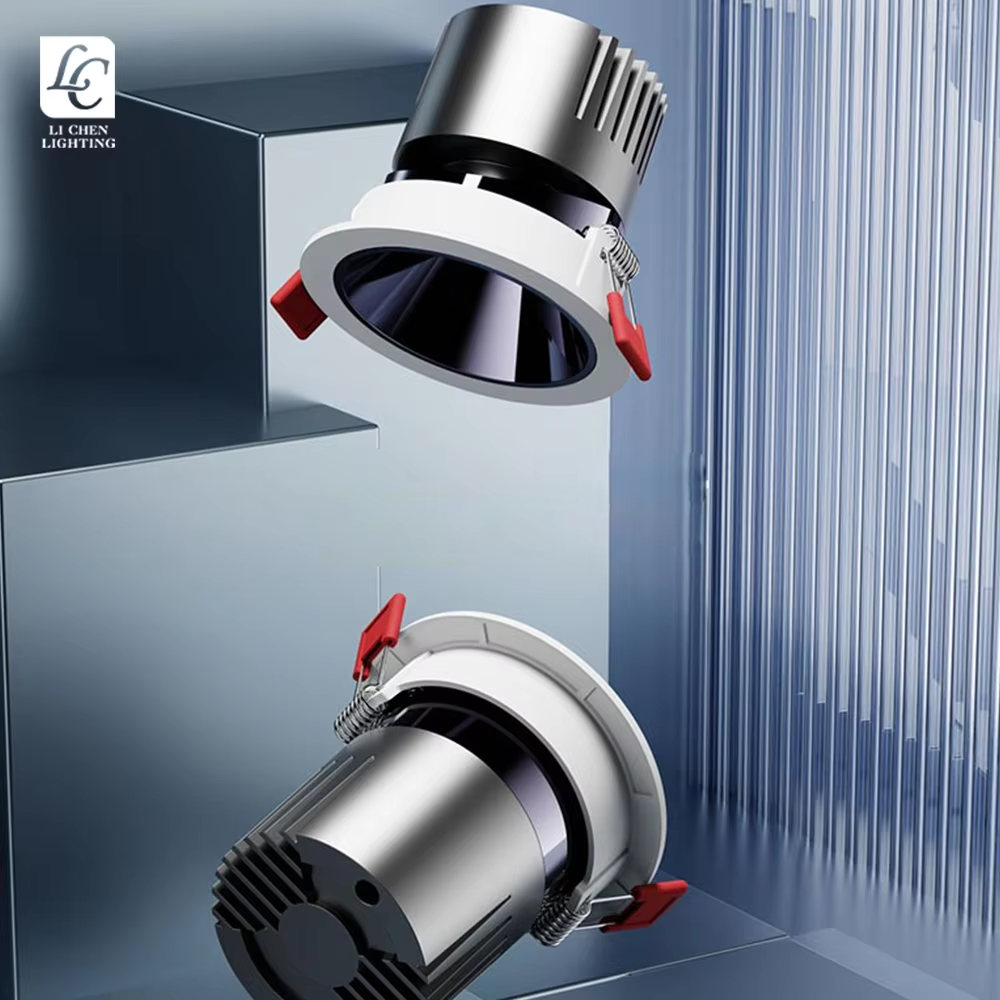
Sourcing the right anti-glare spotlight and downlight for a commercial office environment is one of the most consequential lighting decisions a procurement manager or interior designer can make. Poor lighting choices lead to eye strain, reduced focus, and long-term discomfort for employees, all of which affect workplace productivity. Anti-glare spotlight and downlight fixtures are engineered specifically to deliver directed, comfortable illumination without the harsh visual interference that standard luminaires often produce in open-plan and private office settings.
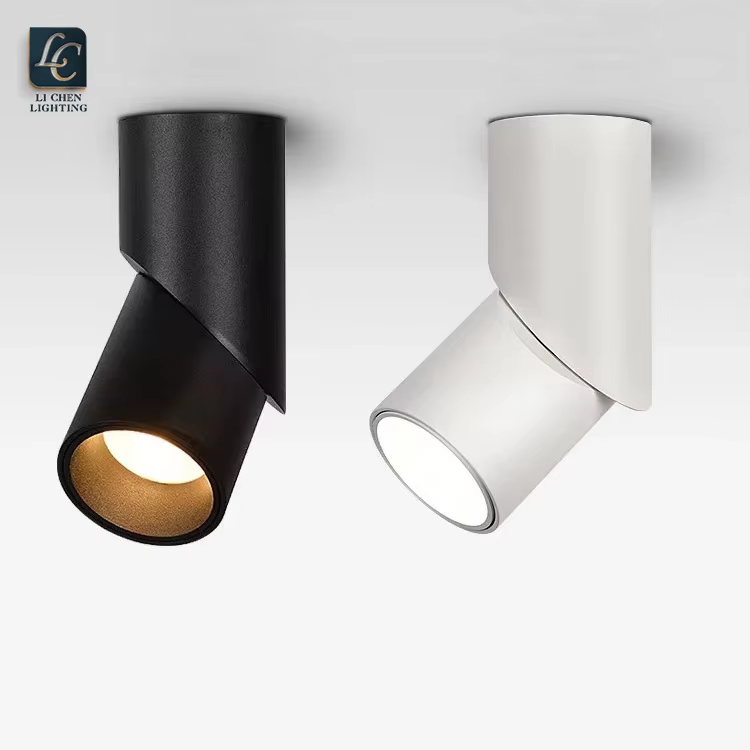
When evaluating anti-glare spotlight and downlight options, buyers must consider beam angle control, glare rating standards, optical design quality, and compatibility with existing ceiling systems. The commercial office sector demands fixtures that balance aesthetics with performance, and anti-glare spotlight and downlight products sit at the centre of that requirement. This guide walks through the key sourcing considerations, technical criteria, and procurement logic that lead to the best outcomes for office lighting projects.
Understanding Anti-Glare Performance in Office Lighting
What Glare Rating Means for Office Spaces
Glare is quantified using the Unified Glare Rating, commonly known as UGR. For commercial office environments, international standards such as EN 12464-1 recommend a UGR value of 19 or below to maintain visual comfort at workstations. Anti-glare spotlight and downlight products designed for office use are typically engineered to achieve UGR values well within this threshold. When sourcing anti-glare spotlight and downlight fixtures, always request the UGR photometric data from the supplier and verify it against the specific room dimensions and mounting heights of your project.
Beyond UGR, the anti-glare spotlight and downlight category relies on deep-set optical chambers, micro-louvre inserts, and anti-reflective lens coatings to restrict the luminous angle. These design elements prevent direct light from entering the field of view at uncomfortable angles. When you compare anti-glare spotlight and downlight products across suppliers, ask specifically how each fixture controls the cut-off angle and whether the optical system is integrated or field-replaceable.
Beam Angle and Illuminance Distribution
The beam angle of an anti-glare spotlight and downlight determines how light is distributed across horizontal surfaces such as desks and meeting tables. Narrow beam anti-glare spotlight and downlight units with beam angles between 15 and 25 degrees are ideal for accent and task lighting in focused work zones. Wider beam anti-glare spotlight and downlight fixtures ranging from 36 to 60 degrees are better suited for general ambient illumination across open-plan floors. Matching beam angle to room layout is essential to achieving the lux levels required by office lighting standards without over-lamping or creating dark spots.
Key Sourcing Criteria for Commercial Office Projects
Colour Rendering and Colour Temperature
For commercial offices, anti-glare spotlight and downlight products should deliver a Colour Rendering Index of 80 or above, with Ra90 or higher preferred for design-led environments. High CRI anti-glare spotlight and downlight fixtures ensure that colours appear accurate and natural under artificial light, which reduces visual fatigue during long working hours. Colour temperature selection for anti-glare spotlight and downlight in offices typically falls between 3000K and 4000K, balancing warmth with the alertness needed during daytime work. Avoid sourcing anti-glare spotlight and downlight units with inconsistent binning, as noticeable colour variation across a ceiling installation undermines both aesthetics and comfort.
Dimming Compatibility and Smart Control Integration
Modern office environments increasingly depend on intelligent lighting control systems. Anti-glare spotlight and downlight products sourced for commercial projects must be compatible with DALI, 0-10V, or Triac dimming protocols, depending on the building management infrastructure already in place. Dimmable anti-glare spotlight and downlight fixtures allow facilities managers to tune light levels throughout the day, supporting circadian lighting strategies that align illuminance with natural daylight cycles. When evaluating anti-glare spotlight and downlight suppliers, confirm driver compatibility, dimming range, and whether flicker performance meets IEEE 1789 recommendations for office occupancy.
Anti-glare spotlight and downlight units with integrated wireless control capability offer additional flexibility for retrofit projects where rewiring is not feasible. Ensure that any smart-enabled anti-glare spotlight and downlight product comes with certified interoperability documentation rather than relying on unverified compatibility claims from sales materials.
Evaluating Suppliers and Product Quality
Certifications and Compliance Standards
When sourcing anti-glare spotlight and downlight fixtures for commercial offices, prioritise suppliers who can provide full certification documentation. CE, RoHS, and LM-80 lumen depreciation test reports are baseline requirements for any anti-glare spotlight and downlight product entering a professional project specification. For markets with stricter requirements, such as North America, sourcing anti-glare spotlight and downlight with UL or ETL listing is non-negotiable. Verify that the anti-glare spotlight and downlight certifications cover the specific wattage and driver combination you plan to deploy, not just a representative sample configuration.
Housing Materials and Thermal Management
The longevity of anti-glare spotlight and downlight in a commercial office depends heavily on thermal management quality. Die-cast aluminium housings with well-designed heat sink geometry allow anti-glare spotlight and downlight products to maintain stable junction temperatures across operating cycles. Poor thermal design causes premature lumen depreciation and shortens the rated lifespan significantly. Inspect cross-sectional drawings and L70 lifespan data when qualifying anti-glare spotlight and downlight units. A reliable anti-glare spotlight and downlight product should achieve at least 50,000 hours at L70 under standard ambient conditions to justify the long-term investment in a commercial office fitout. Finish quality and trim ring tolerances also matter in premium office environments where flush installation and consistent ceiling appearance are specified.
FAQ
What UGR value should anti-glare spotlight and downlight meet for offices?
Anti-glare spotlight and downlight fixtures for commercial offices should meet a UGR of 19 or below, in line with EN 12464-1 recommendations. This ensures occupant visual comfort at workstations throughout the working day. Always request verified photometric data before specifying anti-glare spotlight and downlight for any office project.
How do I choose the right beam angle for anti-glare spotlight and downlight in open-plan offices?
For open-plan offices, anti-glare spotlight and downlight with beam angles between 36 and 60 degrees typically provide the most even ambient distribution. Narrower beam anti-glare spotlight and downlight options are better suited to task lighting zones or feature areas. Always model the illuminance layout using photometric simulation software before finalising your anti-glare spotlight and downlight specification.
What certifications are essential when sourcing anti-glare spotlight and downlight for commercial use?
Essential certifications for commercial anti-glare spotlight and downlight include CE, RoHS, and LM-80 test reports as a minimum. UL or ETL listing is required for North American projects. Confirm that all certifications apply to the exact anti-glare spotlight and downlight configuration being procured, including driver type and wattage, to avoid compliance issues during project handover.