EN
EN


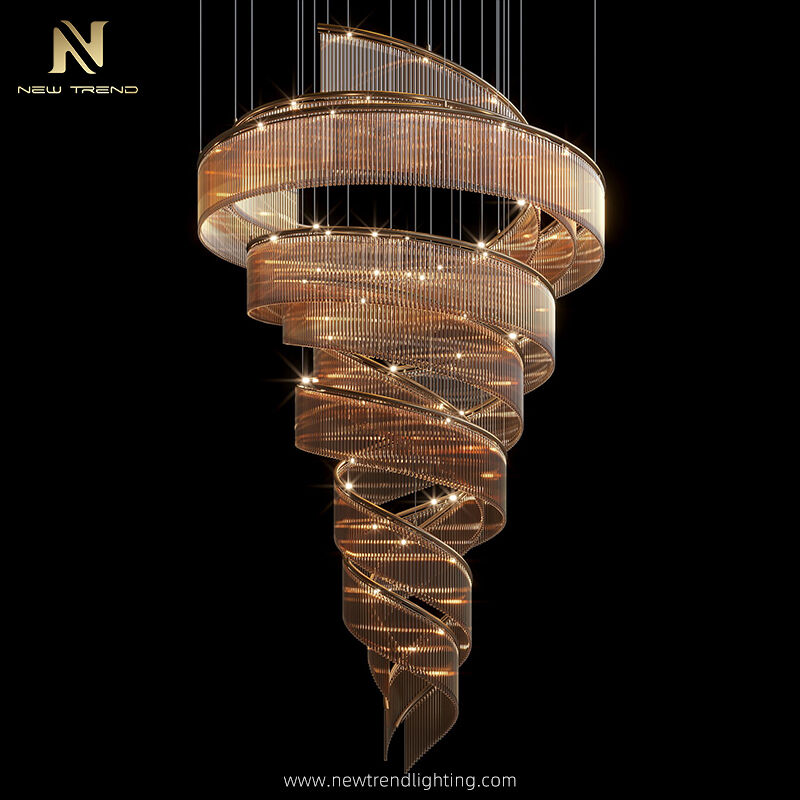
Interior designers, architects, and lighting consultants face a persistent challenge in sourcing high-quality lighting solutions that balance aesthetic vision with budget constraints and client expectations. The decision to work directly with manufacturers rather than through intermediaries represents a strategic shift that can transform project outcomes, particularly when specifying chandelier and pendant lamp installations. Factory-direct chandelier procurement eliminates the markup layers that traditionally inflate costs while simultaneously opening access to customization capabilities that retail channels cannot offer. For design professionals managing multiple projects or large-scale commercial installations, understanding the mechanics and advantages of factory-direct sourcing becomes essential to maintaining competitive positioning and delivering exceptional value to clients.
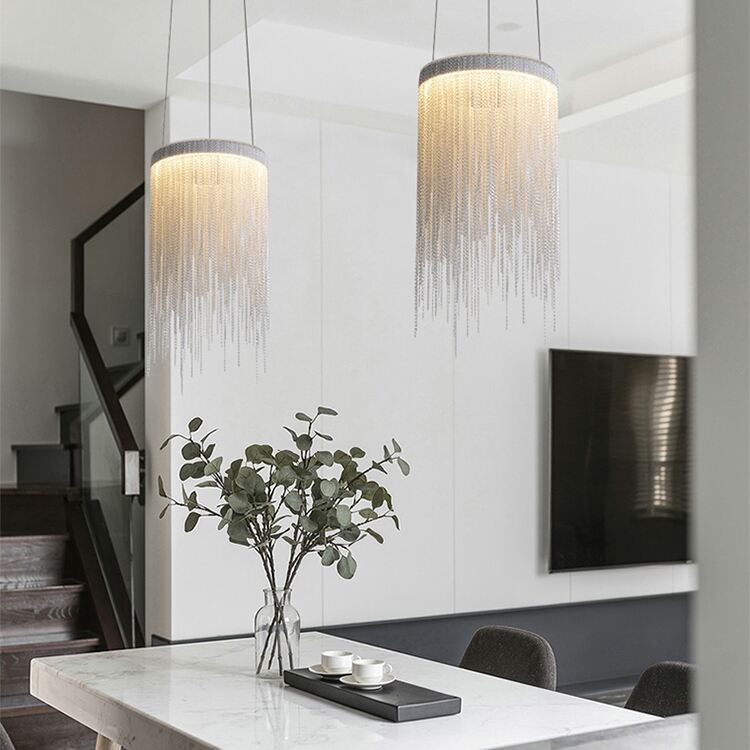
The factory-direct chandelier model fundamentally restructures the traditional supply chain by connecting design professionals directly with manufacturing facilities that possess both production capabilities and design collaboration experience. This approach proves particularly valuable when working with modern aluminum chain LED chandelier pendant lamp designs that require specific dimensional adjustments, finish modifications, or integration with building management systems. The direct relationship with production facilities enables designers to influence material selection, construction methods, and quality control protocols in ways that simply cannot occur when purchasing through distributors or showroom networks. Beyond cost considerations, the factory-direct chandelier pathway offers design professionals genuine partnership opportunities with manufacturers who understand the technical requirements of contemporary interior lighting applications.
Understanding the Factory-Direct Chandelier Model for Design Professionals
Structural Differences Between Direct and Traditional Distribution
The conventional lighting supply chain typically involves multiple intermediary steps between manufacturer and end application. A factory produces chandelier fixtures, which then move through regional distributors, showroom representatives, and potentially retail locations before reaching design professionals. Each intermediary layer adds markup percentages that compound to create significant price inflation by the time designers can access the products. The factory-direct chandelier approach collapses this extended chain by establishing direct communication and transaction relationships between manufacturing facilities and the designers who specify lighting installations. This structural simplification eliminates redundant handling, warehousing, and marketing costs that distributors traditionally pass through to customers.
Modern communication technology and digital collaboration tools have made factory-direct chandelier relationships increasingly practical for design professionals. Video conferencing enables virtual factory tours and production consultations that were once only possible through expensive international travel. Digital rendering software allows manufacturers to share photorealistic visualizations of custom modifications before production begins, reducing uncertainty and revision cycles. Cloud-based project management platforms facilitate real-time tracking of production schedules, quality checkpoints, and shipping logistics. These technological enablers have transformed factory-direct chandelier sourcing from a niche strategy requiring extensive travel and relationship building into a mainstream procurement option accessible to design professionals across various project scales and geographic locations.
Economic Advantages Beyond Initial Purchase Price
The cost benefits of factory-direct chandelier procurement extend well beyond the obvious elimination of distributor markup. When designers establish direct relationships with manufacturers, they gain access to volume-based pricing structures that reflect actual production costs rather than retail positioning strategies. A manufacturing facility producing aluminum chain LED chandelier pendant lamp fixtures can offer transparent pricing based on material costs, labor hours, and overhead allocation, allowing designers to understand exactly where project budgets are being allocated. This transparency enables more strategic decision-making about where to invest in premium features versus where to optimize for cost efficiency without compromising design intent or structural integrity.
Beyond unit pricing, the factory-direct chandelier model reduces total cost of ownership through improved quality control and warranty support. When designers work directly with manufacturing facilities, they can specify quality standards and inspection protocols that address their specific project requirements and client expectations. Direct manufacturer relationships typically provide more comprehensive warranty coverage and more responsive service support compared to products purchased through distribution channels where responsibility fragments across multiple parties. For commercial projects where lighting failures create operational disruptions and costly emergency service calls, the enhanced reliability and support inherent in factory-direct chandelier relationships delivers quantifiable value that often exceeds initial purchase price savings.
Customization Capabilities That Retail Channels Cannot Match
Perhaps the most compelling advantage of factory-direct chandelier sourcing for design professionals lies in customization flexibility. Retail distribution channels operate on inventory models that favor standardized products with broad market appeal and predictable demand patterns. Custom modifications disrupt these inventory systems and typically incur substantial premium charges or minimum order quantities that make customization economically impractical for many projects. In contrast, manufacturing facilities that work directly with designers can integrate custom specifications into their production workflows with significantly lower friction and cost impact, particularly when modifications involve dimensional adjustments, finish selections, or component substitutions within established product families.
The factory-direct chandelier approach enables designers to collaborate with engineering teams during the specification development phase rather than simply selecting from predetermined options. This collaboration might involve adjusting the suspension length of an aluminum chain LED chandelier pendant lamp to accommodate specific ceiling heights, modifying light output characteristics to meet photometric requirements for particular space types, or adapting mounting hardware to integrate with architectural ceiling systems. Manufacturers working in direct partnership with designers can prototype these modifications, conduct performance testing, and refine specifications before committing to full production runs. This iterative development process produces lighting solutions that genuinely respond to project-specific requirements rather than forcing design compromises to accommodate available inventory.
Navigating the Factory-Direct Chandelier Procurement Process
Establishing Initial Contact and Evaluating Manufacturing Partners
The transition to factory-direct chandelier sourcing begins with identifying and vetting appropriate manufacturing partners who possess both production capabilities and collaborative experience working with design professionals. This evaluation process should examine multiple dimensions beyond basic product catalogs and price lists. Manufacturing facility certifications indicate compliance with quality management systems and product safety standards relevant to specific markets and applications. Production capacity and lead time capabilities determine whether a manufacturer can reliably support project timelines and potential future volume requirements. Previous experience with custom design projects suggests whether the facility possesses engineering resources and workflow flexibility to accommodate specification modifications beyond standard product offerings.
Design professionals should approach initial factory-direct chandelier conversations with clear documentation of their project requirements, technical specifications, and quality expectations. Providing detailed dimensional drawings, photometric requirements, finish samples, and installation context photographs enables manufacturers to assess feasibility and provide accurate quotations. Requesting samples of similar previous work, references from other design professionals, and detailed breakdowns of pricing components helps establish whether a potential manufacturing partner operates with the transparency and professionalism necessary for successful direct relationships. These upfront due diligence efforts prevent misunderstandings and establish foundations for productive long-term partnerships that extend across multiple projects.
Managing Communication Across Time Zones and Cultural Contexts
Many factory-direct chandelier opportunities involve international manufacturers, particularly facilities located in Asia that have developed sophisticated production capabilities for modern lighting products including aluminum chain LED chandelier pendant lamp designs. Working across international boundaries introduces communication complexities that require proactive management strategies. Time zone differences necessitate asynchronous communication protocols and realistic expectations about response times for technical questions and specification clarifications. Language differences may require simplified technical terminology, visual documentation to supplement written specifications, and verification steps to confirm mutual understanding of critical requirements before production begins.
Successful factory-direct chandelier relationships across international boundaries benefit from establishing clear communication protocols and designated contact points on both sides. Designers should identify whether manufacturers provide English-speaking technical representatives or whether communication will require translation services that might introduce interpretation risks. Video conferencing capabilities enable richer communication than email alone, allowing designers to visually demonstrate installation contexts, discuss finish appearance expectations, and review prototype samples in ways that reduce misunderstanding. Building relationship continuity with specific individuals at manufacturing facilities rather than generic contact emails creates accountability and institutional knowledge that improves efficiency across repeated projects and specification cycles.
Protecting Intellectual Property and Design Concepts
When designers share custom specifications and original design concepts with manufacturing facilities through factory-direct chandelier relationships, intellectual property protection becomes a legitimate concern. Design professionals invest significant creative effort and market positioning value in distinctive lighting solutions that differentiate their project portfolios and client offerings. Manufacturing facilities that receive detailed custom specifications theoretically could reproduce those designs for other customers or even offer them through their own marketing channels. Addressing these concerns requires explicit contractual agreements that define intellectual property ownership, manufacturing exclusivity terms, and confidentiality obligations before sharing detailed design documentation.
Non-disclosure agreements and exclusivity clauses represent standard tools for protecting design concepts in factory-direct chandelier relationships. These agreements should clearly specify that custom design modifications developed through collaboration between designer and manufacturer remain the designer's intellectual property and cannot be offered to other customers without explicit permission. For particularly distinctive designs representing significant creative investment, designers might negotiate exclusive manufacturing rights for defined time periods or geographic territories. While these protections cannot eliminate all risks, they establish legal frameworks and demonstrate professional seriousness that reputable manufacturers respect. The most sustainable protection ultimately comes from selecting manufacturing partners who recognize that their business success depends on maintaining trust and confidentiality with the design professionals who bring them custom project opportunities.
Technical Considerations for Factory-Direct Chandelier Specifications
Material Selection and Manufacturing Process Implications
The factory-direct chandelier model allows design professionals to engage more deeply with material selection decisions and understand how those choices impact manufacturing processes, product performance, and final costs. Aluminum construction for modern chandelier designs offers advantages in weight reduction, corrosion resistance, and fabrication flexibility that make it particularly suitable for contemporary pendant lamp applications. The specific aluminum alloys chosen for structural components versus decorative elements affect both strength characteristics and surface finishing options. Manufacturing facilities working directly with designers can explain these material trade-offs and recommend optimal specifications based on the intended installation environment, expected service life, and aesthetic finishing requirements.
Chain suspension systems in factory-direct chandelier designs involve technical considerations beyond purely aesthetic appearance. The chain material, link configuration, and finish coating must support the luminaire weight while providing appropriate flexibility for installation adjustment and maintaining visual consistency with the overall design language. LED integration introduces thermal management requirements that influence housing design and material selection to ensure adequate heat dissipation for long-term lamp life. Direct relationships with manufacturers enable designers to discuss these technical interdependencies and make informed specification decisions that balance aesthetic priorities with performance requirements and cost constraints. This technical dialogue produces more robust lighting solutions compared to simply selecting from predetermined product configurations without understanding underlying engineering considerations.
Quality Control Protocols and Inspection Standards
One of the most significant advantages of factory-direct chandelier procurement involves the ability to define and monitor quality control standards throughout the manufacturing process. Design professionals can specify inspection checkpoints at critical production stages such as after material cutting and forming, following surface finishing application, during LED component integration, and before final packaging. Establishing photographic documentation requirements for these inspection stages provides remote visibility into production quality even when designers cannot personally visit manufacturing facilities. Defining acceptance criteria for finish uniformity, dimensional tolerances, electrical performance parameters, and packaging protection levels creates objective standards that reduce subjective disputes about product quality.
Pre-shipment sample approval represents a standard practice in factory-direct chandelier relationships for custom or first-time orders. Manufacturers ship representative samples to designers for physical inspection and approval before committing to full production runs or large quantity shipments. This sample review enables designers to verify finish appearance under actual lighting conditions, confirm dimensional accuracy against specifications, test mechanical operations of adjustable components, and evaluate packaging adequacy for shipping protection. While sample approval cycles add time to overall project schedules, they significantly reduce the risk of receiving large quantities of products that fail to meet expectations. For projects involving substantial investments or high-visibility installations where lighting failures would create significant client relations problems, the quality assurance value of pre-shipment samples justifies the additional time investment.
LED Technology Integration and Performance Specifications
Modern factory-direct chandelier designs increasingly incorporate LED technology that introduces electrical performance specifications beyond traditional incandescent or fluorescent lighting. Color temperature selection affects the perceived warmth or coolness of illumination and should align with the interior design palette and intended space atmosphere. Color rendering index values indicate how accurately the lighting reveals true object colors, which proves particularly important in residential spaces, retail environments, and hospitality applications where ambiance quality directly impacts user experience. Dimming compatibility requires specifying both the LED driver characteristics and the control protocols compatible with building automation systems or wall-mounted dimmer switches.
Lumen output specifications and beam angle characteristics determine whether a factory-direct chandelier provides adequate illumination for its intended application and whether it creates appropriate light distribution patterns. An aluminum chain LED chandelier pendant lamp designed for ambient illumination in a living room requires different optical characteristics than task lighting over a dining table or accent lighting highlighting architectural features. Direct relationships with manufacturers enable designers to discuss these photometric requirements and select LED configurations optimized for specific applications. Manufacturers can provide IES photometric data files that enable designers to model lighting performance in visualization software before committing to specifications. This technical collaboration ensures that factory-direct chandelier installations deliver both aesthetic appeal and functional performance appropriate to their intended applications.
Project Implementation and Long-Term Partnership Development
Managing Lead Times and Production Scheduling
Factory-direct chandelier procurement requires realistic expectations and proactive management of production lead times that typically extend beyond inventory-based retail purchasing. Custom manufacturing processes involve material procurement, production scheduling among competing orders, quality inspection protocols, and international shipping logistics that collectively require substantial time commitments. Standard production lead times for factory-direct chandelier orders typically range from four to eight weeks depending on product complexity and manufacturing facility capacity. Custom modifications, special finishes, or orders placed during peak production seasons may extend these timelines further. Design professionals must incorporate these lead times into project schedules and communicate realistic delivery expectations to clients from the outset.
Effective lead time management in factory-direct chandelier relationships involves early specification finalization and proactive communication about project deadlines. Providing manufacturers with firm orders and complete specifications as early as possible in project timelines allows them to allocate production capacity and order materials efficiently. Establishing clear milestone dates for production start, quality inspection completion, and shipping arrangements creates accountability and enables early identification of potential delays. For projects with non-negotiable installation deadlines such as grand opening events or seasonal business cycles, designers should communicate these constraints explicitly and potentially negotiate expedited production schedules or air freight shipping to mitigate delay risks. The transparency inherent in direct manufacturer relationships enables more reliable delivery performance compared to distribution channels where visibility into actual production status often remains limited.
Installation Support and Technical Documentation
Comprehensive installation documentation represents a critical deliverable in factory-direct chandelier relationships that significantly impacts project success and long-term product performance. Manufacturers working directly with designers should provide detailed installation instructions that address mounting hardware specifications, electrical connection requirements, assembly sequences for multi-component fixtures, and adjustment procedures for achieving proper alignment and appearance. For complex aluminum chain LED chandelier pendant lamp installations involving multiple suspension points or integrated control systems, installation support might include technical hotline access or video conferencing assistance during actual installation work. This installation support proves particularly valuable when projects involve electrical contractors or installation teams unfamiliar with specific fixture characteristics or manufacturer-specific assembly methods.
Product documentation for factory-direct chandelier installations should include maintenance guidelines, replacement part identification, and warranty claim procedures that enable long-term product stewardship. LED component specifications, including expected service life and replacement procedures, help building owners and facility managers plan for eventual lamp replacements and budget for ongoing maintenance costs. Finish care instructions specify appropriate cleaning methods and materials that maintain appearance without damaging protective coatings or surface treatments. Electrical certification documentation confirms compliance with applicable safety standards and building code requirements in the installation jurisdiction. These documentation deliverables transform factory-direct chandelier purchases from simple product transactions into supported lighting systems with defined service expectations and long-term performance accountability.
Building Repeat Relationship Value and Portfolio Development
The most significant value in factory-direct chandelier relationships often emerges through repeat collaboration across multiple projects rather than single transactions. As designers and manufacturers develop working relationships through successful initial projects, communication efficiency improves, mutual understanding of expectations deepens, and trust develops that reduces friction in subsequent engagements. Manufacturers gain familiarity with designer preferences regarding finishes, quality standards, and documentation requirements that enables them to anticipate needs and streamline specification processes. Designers develop confidence in manufacturer capabilities and reliability that reduces perceived risk in proposing factory-direct chandelier solutions for increasingly significant projects and demanding clients.
Strategic designers cultivate portfolios of manufacturing relationships that provide complementary capabilities across different product categories, price points, and customization specializations. One factory-direct chandelier partner might excel in contemporary minimalist aluminum designs while another offers expertise in traditional ornamental fixtures. Building this manufacturer portfolio enables designers to match appropriate production partners to specific project requirements while maintaining consistent direct-sourcing advantages across diverse lighting needs. Some designers formalize these relationships through preferred vendor agreements that establish pricing frameworks, priority production access, and collaborative development opportunities for new product designs. These strategic partnerships transform factory-direct chandelier sourcing from a project-by-project procurement tactic into a sustainable competitive advantage that differentiates design practices and enhances client value propositions across entire business portfolios.
FAQ
What minimum order quantities do factories typically require for custom chandelier designs?
Minimum order quantities for custom factory-direct chandelier projects vary significantly based on the degree of customization involved and the manufacturer's business model. Simple modifications such as dimension adjustments or finish selections within existing product families often require no minimum order quantities beyond single unit purchases. More substantial customizations involving unique structural designs, specialized materials, or custom tooling typically require minimum orders ranging from ten to fifty units to justify setup costs and engineering investment. Some manufacturers willing to work with design professionals on truly bespoke projects may accept smaller quantities with premium pricing that amortizes development costs across fewer units. The key is transparent discussion about customization scope and cost implications during initial specification conversations, allowing designers to make informed decisions about whether custom development makes economic sense for their specific project requirements.
How can designers verify the quality and reliability of overseas chandelier manufacturers?
Verifying overseas factory-direct chandelier manufacturer quality requires multiple validation approaches. Request certifications such as ISO 9001 quality management, product safety certifications relevant to your target markets, and any industry-specific credentials that demonstrate manufacturing competence. Ask for references from other design professionals or commercial clients who have completed projects with the manufacturer, then actually contact those references to discuss their experiences. Request detailed factory photographs or virtual tours that show production equipment, quality control areas, and finished product storage conditions. Order samples of standard products before committing to custom specifications to evaluate actual quality against marketing claims. Review their website and marketing materials for professionalism and technical depth that suggests serious business operations rather than trading companies masquerading as manufacturers. Consider using third-party inspection services for significant orders, where independent quality inspectors visit factories to verify production processes and inspect finished products before shipment. These combined verification steps significantly reduce risks inherent in international factory-direct chandelier sourcing while identifying truly capable manufacturing partners.
What payment terms and protections should designers negotiate with direct manufacturers?
Payment terms in factory-direct chandelier relationships typically differ from retail purchasing and require careful negotiation to balance manufacturer cash flow needs against designer protection from quality or delivery failures. Standard industry practice involves deposit payments of thirty percent upon order confirmation to fund material procurement, with remaining balance due before shipment or upon delivery depending on relationship maturity and order size. For initial orders or large projects, designers should negotiate milestone payment structures tied to production completion stages and quality inspection approvals rather than simple time-based schedules. Using secure payment methods such as letters of credit for substantial orders provides both parties with banking institution guarantees that funds release only upon meeting defined conditions. Escrow services represent another protection mechanism for international transactions where neutral third parties hold payments until product receipt and acceptance. The specific payment terms should reflect the relationship development stage, with more protective structures appropriate for initial collaborations and more streamlined approaches acceptable once trust develops through successful project history.
Can factory-direct chandelier purchases achieve the same delivery speed as stocked retail products?
Factory-direct chandelier procurement generally cannot match the immediate availability of stocked retail inventory for rush projects requiring delivery within days or weeks. The fundamental nature of direct manufacturing involves production lead times for custom orders or queued production slots for standard designs that typically require four to twelve weeks depending on product complexity and manufacturing capacity. However, some manufacturers maintain limited inventory of popular standard designs that can ship more quickly, and expedited production with premium pricing sometimes achieves compressed timelines for urgent projects. The critical strategy involves early project planning that incorporates realistic factory-direct chandelier lead times into overall schedules rather than treating lighting as last-minute procurement decisions. For designers managing multiple ongoing projects, establishing production pipelines with regular orders to manufacturers can create more predictable inventory flow that reduces individual project urgency. The lead time investment in factory-direct chandelier sourcing delivers cost savings, customization capabilities, and quality control advantages that typically justify the planning discipline required, though retail inventory channels remain appropriate for projects where timeline constraints genuinely preclude custom manufacturing approaches.
Table of Contents
- Understanding the Factory-Direct Chandelier Model for Design Professionals
- Navigating the Factory-Direct Chandelier Procurement Process
- Technical Considerations for Factory-Direct Chandelier Specifications
- Project Implementation and Long-Term Partnership Development
-
FAQ
- What minimum order quantities do factories typically require for custom chandelier designs?
- How can designers verify the quality and reliability of overseas chandelier manufacturers?
- What payment terms and protections should designers negotiate with direct manufacturers?
- Can factory-direct chandelier purchases achieve the same delivery speed as stocked retail products?